Cyclomania
2001
No user ratings available yet
Representation score: 3.7 out of 10
Representation Score
Good
1998
Director
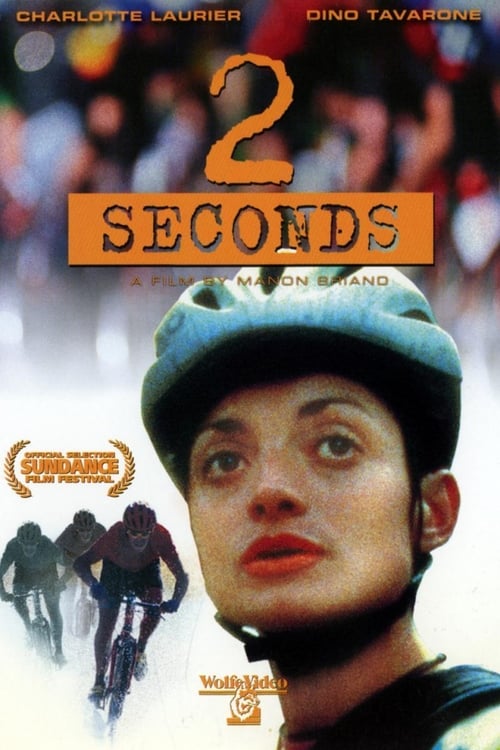
Manon Briand
Runtime
100 minutes
Average Rating
No ratings yetNew Showbiz Analysis
Manon Briand's drama successfully challenges traditional gender stereotypes by focusing on a female protagonist's autonomy. Laurie's journey is driven by her own resilience and self-improvement rather than a male savior. However, the film lacks representation of LGBTQ+ identities and diverse racial backgrounds. Despite its setting in Montreal, the narrative stays focused on individual character development rather than broader social issues. Overall, the film is a character-driven piece that prioritizes personal ability to act over broader social commentary, resulting in a moderate level of diversity.
Category Breakdown
The film doesn't explicitly show queer identities or relationships outside of traditional heterosexual norms. The story focuses on the relationship between Laurie and Lorenzo.
Laurie is a professional athlete whose journey emphasizes her independence and personal growth. Lorenzo, the male lead, is portrayed as flawed and less stereotypically masculine.
Set in the diverse city of Montreal, the film doesn't delve deeply into racial identity. Instead, it focuses on personal relationships and interactions.
The story explores professional challenges and skepticism towards rigid career paths. It highlights personal experiences over institutional critiques.
There is no depiction of physical, neurological, or mental health disabilities. Characters are mainly defined by their professional roles and personalities.
Present on Screen
Limited or Absent
Official Synopsis
Laurie, a professional downhill racer gets fired because of her slight overindulgence in irresponsibility. She returns to Montreal where she is welcomed by her geeky but cute brother. She meets Lorenzo, a cranky, ex-racer who owns a bike shop. The two become friends. Laurie gets a job with a local bicycle courier company, but a member of the group is intent on shutting her out of their circles, making her life difficult and sad. After a bonding truth-revealing discussion between Laurie and Lorenzo, Laurie begins to see what she has to do to make things better for herself.
2001

1980
1997
2004
1995
1985
1995

2006
No reviews yet. Be the first to share your thoughts on this movie!
Use the rating form above to leave a star rating and optional review.