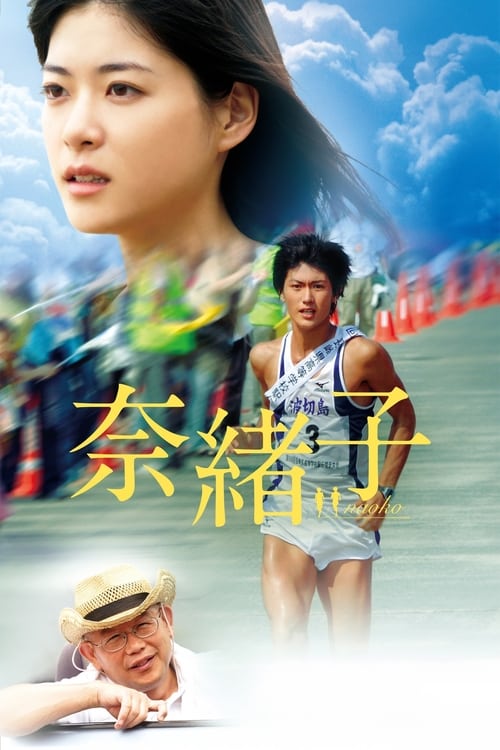
Naoko
2008
No user ratings available yet
Diversity score: 4.5 out of 10
2010
Director
Yun-ho Yang
Runtime
109 minutes
Average Rating
No ratings yetSynopsis
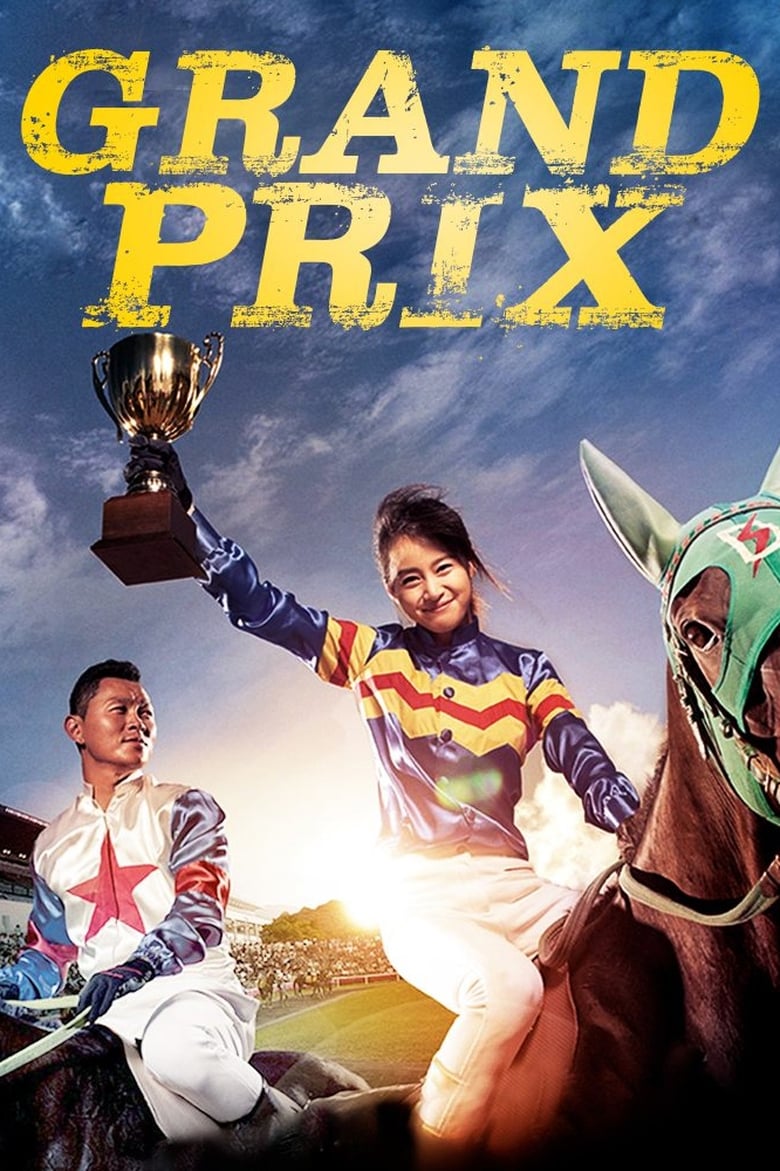
Grand Prix" covers the world of horse racing, centered around the romance between a male horse jockey and a female horse jockey. Seo Joo-Hee (Kim Tae-Hee) is an ambitious equestrian who loses her beloved horse in a racing accident and also injures her arm. Devastated she quits the sport and travels to Jeju Island. On Jeju Island, Seo Joo-Hee meets fellow equestrian Woo-Seok (Yang Dong-Kun), a former winner of the Japan Cup who is also experienced a similar slump as Seo Joo-Hee. With Woo-Seok's help, Seo Joo-Hee becomes inspired to compete for the Grand Prix Chamionship.
Overall Score
Fair
Category Breakdown
LGBTQ+ Representation
The story centers on a standard romantic pairing between a man and a woman. It lacks non-cisnormative identities or any critique of traditional relationship structures.
Gender Representation
Seo Joo-Hee is an ambitious female protagonist navigating professional trauma and physical injury. While she avoids being a passive lead, the resolution relies on a conventional partnership with a male counterpart.
Racial & Ethnic Diversity
The cast and setting are largely homogeneous, reflecting the domestic South Korean context. The film does not use diverse casting to challenge ethnic norms.
Religious & Cultural Diversity
The narrative focuses on resilience, mentorship, and personal recovery. It follows a standard trajectory of individual achievement without critiquing established institutions or traditional values.
Disability Representation
Physical impairment and psychological trauma drive the protagonist's emotional arc. However, these elements serve as catalysts for growth rather than exploring systemic disability rights or neurodivergence.
Strengths
Areas for Improvement
AI Analysis
Grand Prix is a conventional melodrama that prioritizes personal perseverance and romantic tropes over social subversion. While it provides a strong central arc for a female professional, the film remains within the bounds of traditional storytelling. The production adheres to established genre frameworks, focusing on individual achievement and recovery. It does not actively seek to disrupt cultural hierarchies or introduce diverse identities beyond the primary romantic pairing. Ultimately, the film functions as a standard character study of ambition and resilience within a homogeneous cultural setting.
2008
1998

2007

2009

2005
2001

2020

2013
2010
2016

1931
1980
No reviews yet. Be the first to share your thoughts on this movie!
Use the rating form above to leave a star rating and optional review.