The Disenchanted
1990
No user ratings available yet
Representation score: 5.7 out of 10
Representation Score
Good
1995
Director
Laetitia Masson
Runtime
89 minutes
Average Rating
No ratings yetNew Showbiz Analysis
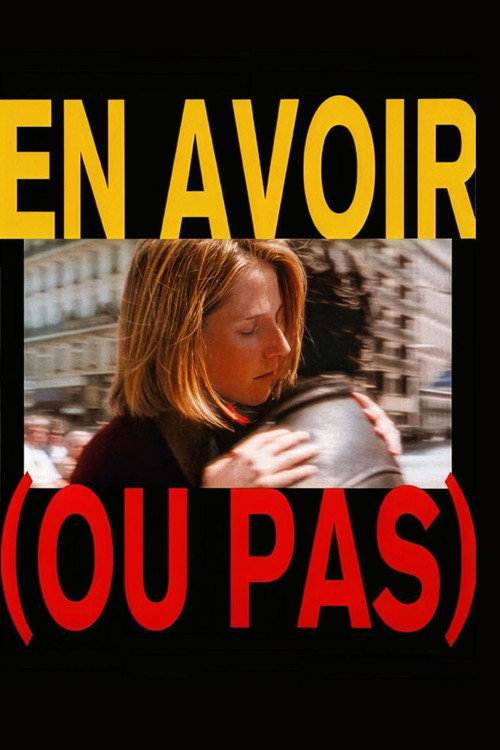
To Have (Or Not) excels as a character study that challenges traditional gender roles. By focusing on Alice's internal journey rather than conventional domestic roles, the film offers a sophisticated look at female autonomy. However, the film lacks diversity in other areas. The social environment feels homogeneous, and the exploration of mental health remains tied to plot drivers rather than deep representation. Ultimately, the film is a study of individualistic exploration that prioritizes psychological complexity over broader social diversity.
Category Breakdown
The film touches on fluid relationships and unconventional romance but lacks specific non-binary or LGBTQ+ identities to go beyond a basic score.
Alice's story highlights her independence and psychological autonomy. She navigates professional and personal challenges without relying on traditional feminine stereotypes.
The film's setting is relatively homogeneous, with no significant effort to include diverse casting or represent non-European backgrounds.
The film critiques traditional Western institutions such as the nuclear family through its characters' experiences of social displacement. It emphasizes moral relativism and the subjective nature of truth.
Bruno's severe depression serves the existential plot rather than offering a nuanced exploration of living with mental health issues.
Present on Screen
Limited or Absent
Official Synopsis
Alice, fired from her job on an assembly line, leaves her boyfriend and provincial home for an uncertain new life in Lyon. There she encounters Bruno, a construction worker who's just been dumped and is severely depressed. Romantic possibilities ensue.
1990

1984
2001
1974

2000
2004

1997
1998
No reviews yet. Be the first to share your thoughts on this movie!
Use the rating form above to leave a star rating and optional review.