The Man from Yesterday
1932
No user ratings available yet
Representation score: 3.5 out of 10
Representation Score
Fair
1936
NRDirector
Robert Florey
Runtime
72 minutes
Average Rating
No ratings yetNew Showbiz Analysis
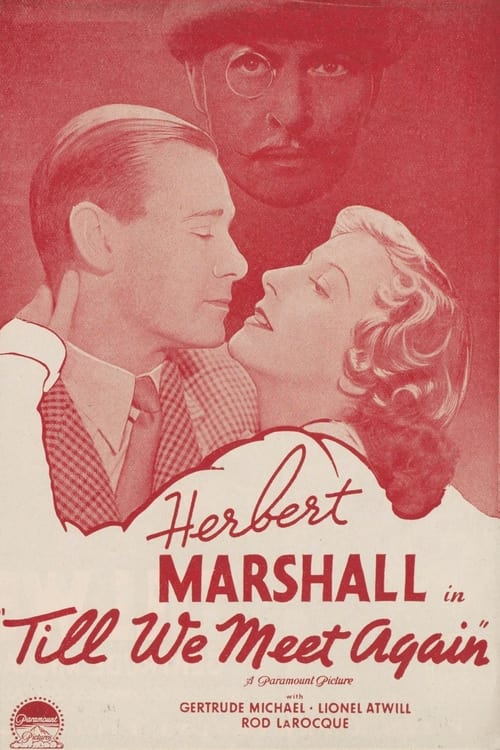
Till We Meet Again is a wartime espionage drama that emphasizes psychological depth over demographic diversity. It succeeds by challenging the stability of identity, showing how conflict can dissolve the self. While the film lacks modern multi-layered markers, it moves beyond typical heroic clichés. It explores the fluidity of persona and the profound impact of mental trauma on individuals. Ultimately, the film's strength lies in its nuanced exploration of the psychological toll of war rather than its representation of diverse social groups.
Category Breakdown
The film focuses on a traditional heterosexual relationship and does not include any same-sex intimacy or non-binary gender identities.
Elsa Duranyi plays a vital emotional role rather than a submissive one. The male lead portrays vulnerability through a fractured, shell-shocked persona.
The cast is predominantly of European descent, focusing on wartime dynamics. Tensions arise from nationality and political affiliation rather than racial or ethnic diversity.
The story examines the instability of identity and institutional structures during war. It questions the permanence of state-sanctioned identities and official records.
The film depicts psychological trauma through shell-shock, providing a visible portrayal of mental health and neurological distress caused by combat.
Present on Screen
Limited or Absent
Official Synopsis
In London, August 1914, Austrian star Elsa Duranyi (Gertrude Michael) and English matinee idol Alan Barclay (Herbert Marshall) are in love and plan an immediate marriage. But the War comes and Elsa mysteriously disappears. Alan's ease in speaking German results in his appointment to the British Intelligence and, to aid his use as a spy, they announce he was killed in action. He takes the name and personality of "shell-shocked" Hans Teller, a German prisoner, and is sent into Germany on an exchange of prisoners.
1932

1940

1928

1937

1933
1930

1931
1934
No reviews yet. Be the first to share your thoughts on this movie!
Use the rating form above to leave a star rating and optional review.