Tit-Coq
1953
No user ratings available yet
Representation score: 1.4 out of 10
Representation Score
Minimal
1937
Director
Jean Grémillon
Runtime
94 minutes
Average Rating
No ratings yetNew Showbiz Analysis
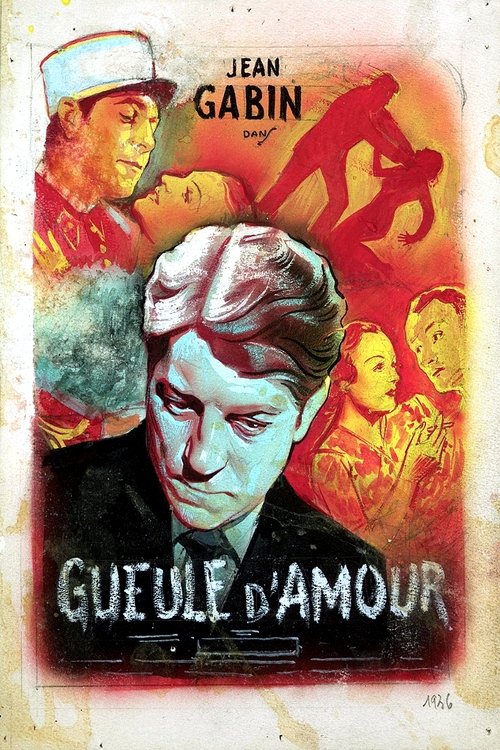
Lady Killer is a character study of romantic obsession and class disparity, deeply rooted in the fatalism of French Poetic Realism. The narrative prioritizes the friction between social strata and the inevitability of fate over modern characters who reflect more than one aspect of diversity. While the film avoids reductive stereotypes by providing characters with psychological depth, it remains within the traditionalist frameworks of 1930s European cinema. The central conflict is defined by conventional masculine-feminine dynamics and socioeconomic struggle. Ultimately, the film functions as a period-specific drama where identity is closely tied to institutional authority and social milieu rather than systemic social disruption.
Category Breakdown
The film follows the traditional romantic conventions of its time and does not include any non-binary gender identities or narratives that challenge the traditional romantic binary.
The film explores complex gendered power dynamics. Madeleine exerts influence through her wealth, while Lucien’s masculinity is tied to his military rank and uniform.
The story centers on French social stratification and the Spahis colonial unit. However, it prioritizes socioeconomic class over racial themes or a diverse cast.
The film delves into moral relativism and the gray areas of passion and betrayal. It focuses on personal tragedy rather than critiquing Western institutions or capitalism.
There are no central plot devices or character traits depicting physical or neurodivergent disabilities.
Present on Screen
Limited or Absent
Official Synopsis
Lucien Bourrache, a good looking non-commissioned officer at the Spahis, is used to charm many women. He met Madeleine Courtois at Cannes. She is beautiful and lives in luxury. He lends her a large amount of money, which she loses gambling. Then she drops him. But Lucien is now in love, and once demobilized, he goes to Paris to find her again. But he's not so sexy without his uniform, and Madeleine and him do not belong to the same milieu.
1953
1930
1928

1940
1939
1938
1930
1974
No reviews yet. Be the first to share your thoughts on this movie!
Use the rating form above to leave a star rating and optional review.