Flora
1989
No user ratings available yet
Representation score: 0.5 out of 10
Representation Score
Fair
2001
TV-14Director
Jan Švankmajer
Runtime
131 minutes
Average Rating
No ratings yetNew Showbiz Analysis
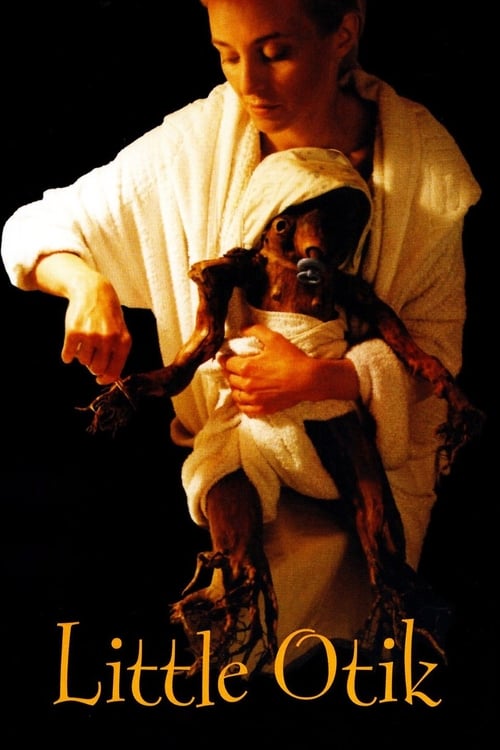
Little Otik is a surrealist deconstruction of the traditional family unit. It replaces the nurturing parent cliché with a cycle of psychological decay and insatiable consumption. The film uses the grotesque to challenge social norms rather than to represent specific identities. While the film lacks racial and LGBTQ+ diversity, it excels in cultural critique. It challenges the sanctity of the domestic sphere by presenting the pursuit of parenthood as a path to systemic collapse. Ultimately, the film's diversity is found in its subversion of archetypes. It uses surrealism to explore human impulses that defy conventional social and moral structures.
Category Breakdown
The film does not include any LGBTQ+ characters or stories. It centers on a family unit that becomes consumed by obsession.
The film challenges traditional gender roles by showing masculinity and femininity as sources of uncontrollable impulses rather than stability.
The film is set in a rural European area with a homogeneous cast. The story focuses on surreal, tactile elements rather than identity-based social dynamics.
The film critiques Western institutions such as the nuclear family by portraying parenthood as a disruptive force through a lens of moral relativism.
There are no characters with recognized disabilities in the film. Instead, it uses the uncanny to represent behaviors associated with obsessive and reality-altered states.
Present on Screen
Limited or Absent
Official Synopsis
When a childless couple learn that they cannot have children, it causes great distress. To ease his wife's pain, the man finds a piece of root in the backyard and chops it and varnishes it into the shape of a child. However the woman takes the root as her baby and starts to pretend that it is real.
1989

2009

1968
1998
2020

2009
2006
2012
No reviews yet. Be the first to share your thoughts on this movie!
Use the rating form above to leave a star rating and optional review.