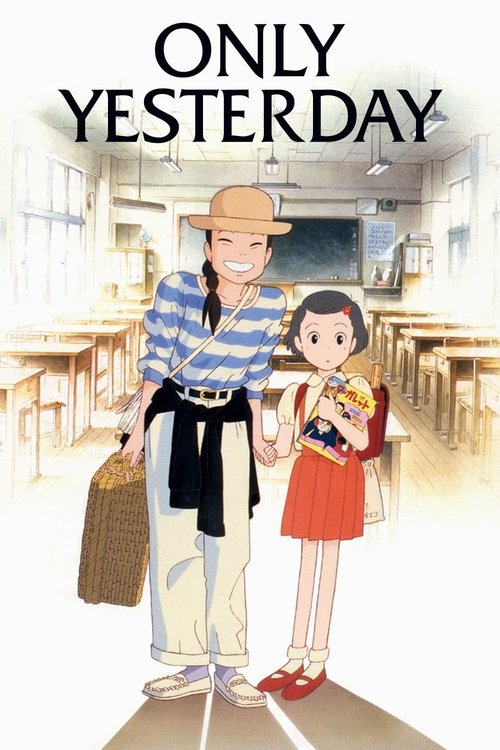
Only Yesterday
1991
No user ratings available yet
Representation score: 4.2 out of 10
Representation Score
Good
1990
Director
Isao Takahata
Runtime
100 minutes
Average Rating
No ratings yetNew Showbiz Analysis
Isao Takahata’s direction emphasizes psychological realism and the tension between individual identity and societal expectations. The film succeeds by centering a female protagonist who challenges the era's social norms through her ability to act and intellect. While the historical setting limits racial and LGBTQ+ diversity, the narrative uses the protagonist's outsider status to explore themes of belonging. The focus on an unconventional character provides a critique of rigid social structures. Ultimately, the film prioritizes character depth and the subversion of traditional archetypes over broad demographic variety.
Category Breakdown
The story focuses on an orphan's integration into a new family structure. There are no explicit LGBTQ+ characters or representations of non-straight relationships.
Anne serves as a strong female protagonist whose imagination drives the plot. She subverts traditional submissive roles by prioritizing emotional autonomy and intellect.
The setting reflects the demographic homogeneity of its historical period. However, the orphan's status serves as a metaphor for navigating social hierarchies and belonging.
The story explores the friction between an individual's internal world and rigid community institutions. It critiques social conformity by centering an unconventional character.
Anne's hyper-imaginative nature may reflect neurodivergent traits. The film's success depends on whether this cognitive style is portrayed as a strength or a limitation.
Present on Screen
Limited or Absent
Official Synopsis
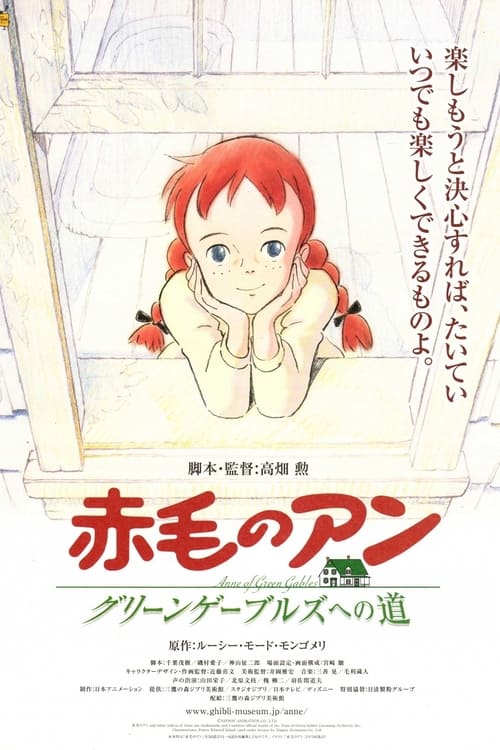
In this movie that summarizes the first six episodes of Anne of Green Gables, we follow the story of Anne, an orphan full of imagination. When she arrives at her new home, she learns that sometimes you have to be a sensible person, while her unique character changes, or at least attracts, the people around her.
1991
2018

1972
2015
2009
1989

2006
2014
No reviews yet. Be the first to share your thoughts on this movie!
Use the rating form above to leave a star rating and optional review.