We Own the Night
2007
No user ratings available yet
Representation score: 0.9 out of 10
Representation Score
Minimal
2013
RDirector
Guillaume Canet
Runtime
128 minutes
Average Rating
No ratings yetNew Showbiz Analysis
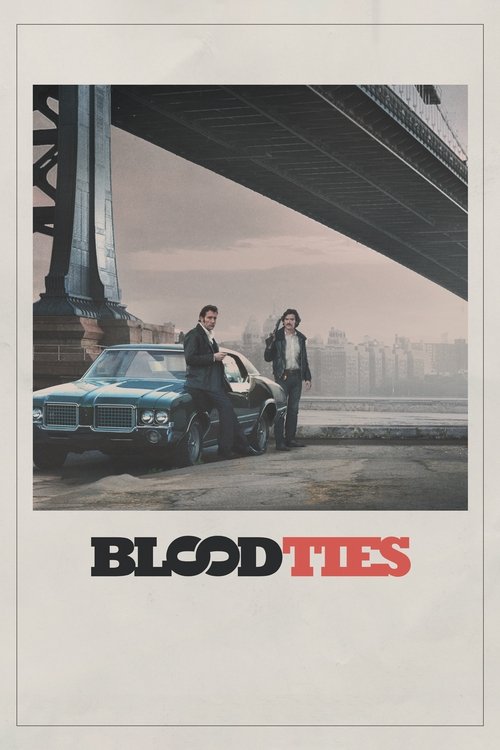
Blood Ties is a conventional period crime thriller that leans heavily on well-known genre clichés. The story revolves around a binary conflict between two brothers, emphasizing male-driven tension and traditional family loyalty. While the 1970s Brooklyn setting offers potential for ethnic diversity, the film lacks specific evidence of diverse representation. The focus remains on a standard law-versus-crime dynamic without challenging social hierarchies. Ultimately, the film adheres to traditional structures, offering limited representation of underrepresented identities or systemic critiques.
Category Breakdown
The film does not include any characters with non-traditional gender identities or sexual orientations. There are no queer themes or narratives that challenge the idea that everyone is straight or cisgender.
The story focuses on two brothers, making it predominantly male-centered. The main characters are men who have significant control over the plot, reflecting traditional gender roles.
Set in 1970s Brooklyn, the film does not provide evidence of intentional diversity. It is unclear whether the cast includes a mix of different racial backgrounds.
The narrative follows a typical crime-drama storyline centered around law and family loyalty. It does not seem to question Western cultural norms or institutions.
The film does not depict any characters dealing with physical disabilities, mental health issues, or neurodivergence.
Present on Screen
Limited or Absent
Official Synopsis
Two brothers, on either side of the law, face off over organized crime in Brooklyn during the 1970s.
2007
1980

2012
1990
2007
1986
2014
1996
No reviews yet. Be the first to share your thoughts on this movie!
Use the rating form above to leave a star rating and optional review.