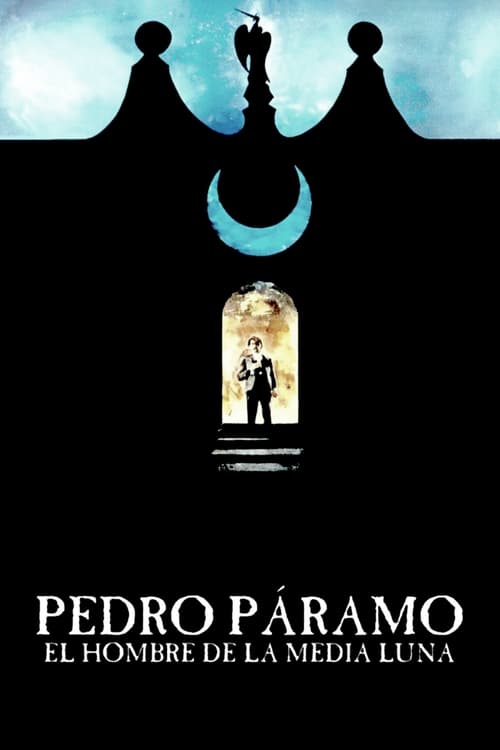
Pedro Páramo, el hombre de la Media Luna
1978
No user ratings available yet
Representation score: 5.2 out of 10
Representation Score
Fair
1967
TV-PGDirector
Carlos Velo
Runtime
104 minutes
Average Rating
No ratings yetNew Showbiz Analysis
Carlos Velo’s adaptation of Juan Rulfo’s work succeeds by focusing on a non-Anglo-Saxon perspective. It avoids Western-centric casting norms, using a Mexican cast to explore communal life and death through a mestizo lens. The film's strength lies in its narrative deconstruction of power, challenging traditional moral certainties with a fragmented, spectral worldview. While it lacks modern identity-based representation regarding LGBTQ+ and disability, it offers significant progressive value through its cultural authenticity and its subversion of traditional religious and social hierarchies.
Category Breakdown
The film emphasizes lineage and patriarchal legacies without addressing non-binary gender identities or same-sex relationships.
The story critiques patriarchal authority by showing the 'strongman' archetype as destructive. Female characters are often portrayed as victims of systemic structures.
The film highlights Mexican identity with a predominantly non-white cast, exploring indigenous and mixed heritage experiences in Comala.
Magical realism is used to challenge singular Christian morality and traditional religious influence. The film presents a complex, purgatorial reality that defies Western certainties.
There is no evident portrayal of physical or neurodivergent disabilities in this production.
Present on Screen
Limited or Absent
Official Synopsis
When his mother Dolores dies, Juan Preciado, son of Pedro Páramo, goes to Comala to claim his inheritance; but when he arrives he finds an abandoned and sinister place, inhabited by mysterious voices and whispers…
1978
1960
2022
1973
1976
2016
1974

1969
No reviews yet. Be the first to share your thoughts on this movie!
Use the rating form above to leave a star rating and optional review.