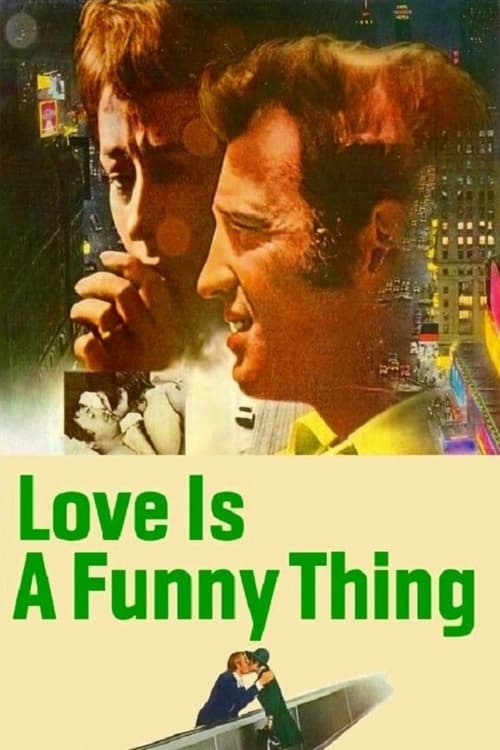
Love Is a Funny Thing
1969
No user ratings available yet
Representation score: 3.8 out of 10
Representation Score
Limited
1960
Director
Janusz Morgenstern
Runtime
88 minutes
Average Rating
No ratings yetNew Showbiz Analysis
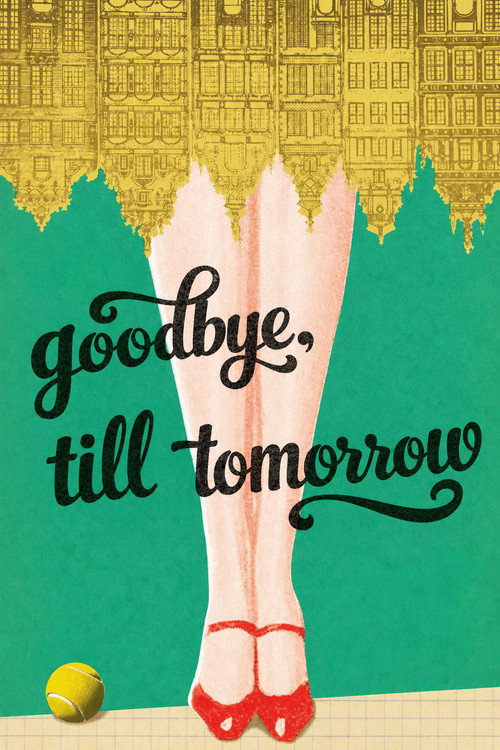
Good Bye, Till Tomorrow is a product of the 1960s Polish School, reflecting the social and demographic characteristics of its time. The narrative emphasizes interpersonal romance and cultural exchange between European identities but lacks multi-layered complexity. The film's strength lies in its internationalist perspective, connecting Polish and French identities. However, it does not challenge established social hierarchies or offer diverse representation beyond these national boundaries. Ultimately, the work operates within conventional mid-century frameworks, focusing on subjective emotional experiences.
Category Breakdown
The film focuses on a romantic relationship between a male character and a female character, following traditional heterosexual norms common in 1960s dramas.
The story revolves around a charming man and a whimsical woman. Although Marguerite’s character hints at a minor deviation from strict archetypes, the power dynamics remain within traditional romantic roles.
The narrative showcases a cross-cultural interaction between a Polish man and a French woman. This introduces an international perspective but stays within a primarily white European demographic.
The film delves into themes of romance and personal whimsy within a European setting. It functions as a traditional romantic drama without direct criticism of Western institutions.
There is no information available regarding the portrayal of physical or neurodivergent disabilities within the characters or plot.
Present on Screen
Limited or Absent
Official Synopsis
Jacek is a handsome, charming young Pole who belongs to a drama company. One day, in the streets of Gdansk, he meets Marguerite, a beautiful, charming French girl. He falls for her but the young lady is whimsical...
1969
1966

1966

1961
1961
1939
1971
1966
No reviews yet. Be the first to share your thoughts on this movie!
Use the rating form above to leave a star rating and optional review.