Ram Dass, Going Home
2017
No user ratings available yet
Representation score: 8.3 out of 10
Representation Score
Excellent
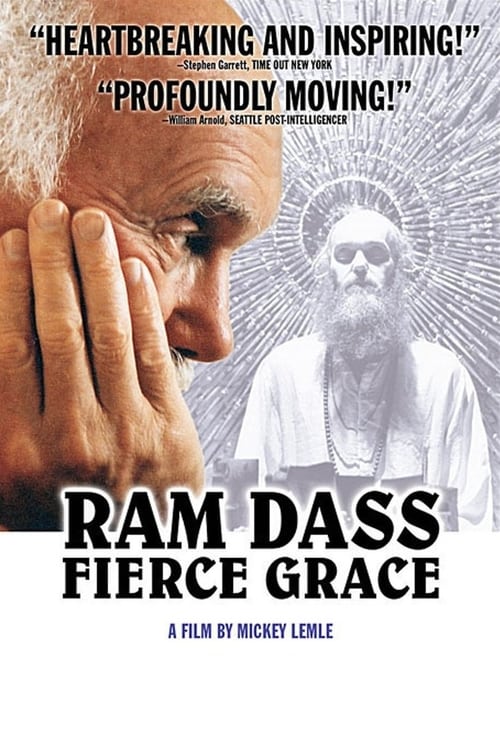
2001
Not RatedDirector
Mickey Lemle
Runtime
93 minutes
Average Rating
No ratings yetNew Showbiz Analysis
Ram Dass: Fierce Grace is a profound study of spiritual evolution and the deconstruction of the Western ego. Its greatest strength lies in its ability to challenge socioeconomic and cultural norms by centering Eastern philosophical traditions and universal interconnectedness. However, the film remains largely focused on a singular biographical journey, resulting in a lack of explicit representation for specific identity politics, particularly regarding LGBTQ+ narratives. Ultimately, the documentary succeeds as a critique of Western institutionalism, replacing traditional hierarchies with a pluralistic worldview, even if it does not engage deeply with contemporary social activism.
Category Breakdown
The film does not prominently feature LGBTQ+ identities or non-cisgender narratives. Archival footage captures a period of emerging queer culture, but the documentary focuses on Ram Dass's spiritual journey rather than specific LGBTQ stories.
The narrative minimizes traditional gender roles by emphasizing spiritual equality and the dissolution of individual identity. The community of practitioners demonstrates a fluid approach to social structures, favoring interconnectedness over patriarchal hierarchies.
The film achieves high marks through its depiction of cross-cultural exchange between Eastern mysticism and Western practitioners. It centers Eastern philosophical frameworks, successfully challenging traditional Western dominance of thought.
The documentary explores anti-materialist values, framing Western materialism as an obstacle to genuine connection. It prioritizes secularized spirituality and 'loving awareness' over rigid, institutionalized Western religious practices.
The film provides a nuanced portrayal of physical vulnerability following Ram Dass’s 1997 stroke. It integrates his neurological changes into his spiritual evolution, granting him a significant role in driving the story rather than treating his condition as a tragedy.
Present on Screen
Limited or Absent
Official Synopsis
Once a symbol of '60s counterculture and psychedelic drug use, Ram Dass has since become a renowned speaker and author on the topics of aging, spirituality, and overcoming the mistakes of the past. This documentary chronicles his journey from his affiliations with LSD advocate Timothy Leary to his endeavor to continue remaking himself after his stroke in 1997.
2017

2014

2016
2016
2019

2022

2020
2020
No reviews yet. Be the first to share your thoughts on this movie!
Use the rating form above to leave a star rating and optional review.