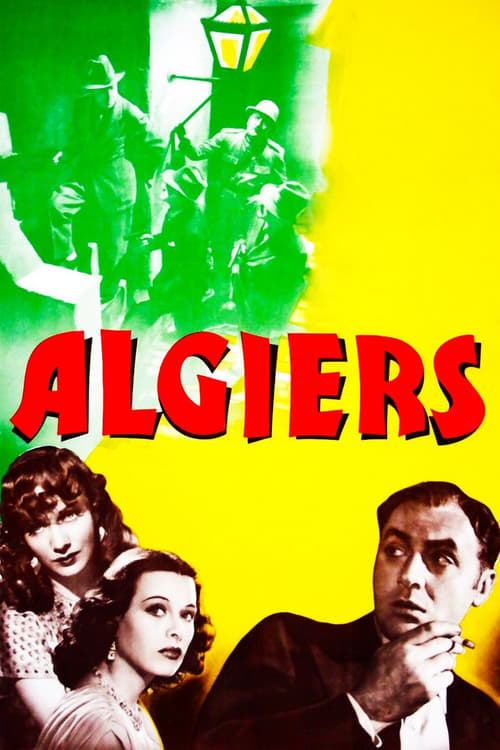
Algiers
1938
No user ratings available yet
Representation score: 2.9 out of 10
Representation Score
Fair
1969
RDirector
George Cukor
Runtime
116 minutes
Average Rating
No ratings yetNew Showbiz Analysis
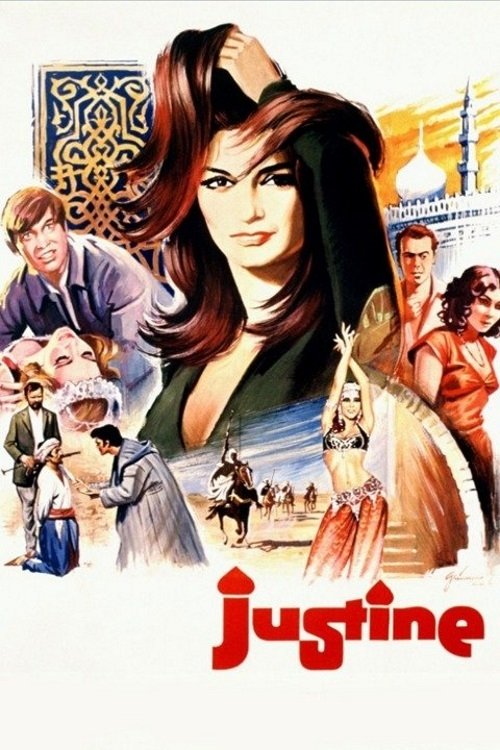
George Cukor’s direction centers on a woman navigating high-stakes geopolitical tensions in colonial Egypt. The film avoids passive female archetypes by giving Justine significant control over the political conspiracy. The setting provides a rich tapestry of ethnic and religious identities, including Coptic and Jewish characters. This adds layers of complexity beyond typical mid-century period dramas. However, the film remains limited by its time period, lacking LGBTQ+ representation and specific details about the ability to act of its non-Western characters.
Category Breakdown
The film does not explicitly confirm any LGBTQ+ characters or non-straight relationships. The central romantic tensions seem to follow traditional heterosexual norms involving the British consular circle.
Justine plays a significant role in driving the political plot rather than being a secondary figure. Her involvement in an underground movement shows strong intellectual and political independence.
Set in 1938 Alexandria, the film features a Coptic banker and Jewish characters involved in an underground movement. This creates a multi-ethnic backdrop that goes beyond a purely Anglo-centric perspective.
The story explores the tension between imperial structures and local control. By focusing on a plot against British interests, the film critiques Western institutional power.
There is no evidence of characters with visible or invisible disabilities in the narrative.
Present on Screen
Limited or Absent
Official Synopsis
In Alexandria, in 1938, Darley, a young British schoolmaster and poet, makes friends through Pursewarden, the British consular officer, with Justine, the beautiful and mysterious wife of a Coptic banker. He observes the affairs of her heart and incidentally discovers that she is involved in a plot against the British, meant to arm the Jewish underground in Palestine. The plot finally fails, Justine is sent to jail and Darley decides to return to England.
1938

1966
1934

1952

1945
1947

1959
1937
No reviews yet. Be the first to share your thoughts on this movie!
Use the rating form above to leave a star rating and optional review.