
The Blonde Pick-Up
1951
No user ratings available yet
Diversity score: 2.3 out of 10
No Poster Available
2013
TV-14Director
Jim Purdy
Average Rating
No ratings yetSynopsis
Havana 1957—sin capital of the world. Mafia nightclubs, sex, drugs and gambling. A young cop witnesses a murder and must decide if he wants to play the corrupt game or go against corrupt cops and the mob with the help of a beautiful Tropicana dancer.
Overall Score
Limited
Category Breakdown
LGBTQ+ Representation
The film lacks any evidence of non-cisnormative identities or same-sex intimacy. The story centers on a traditional heterosexual relationship between a male cop and a female dancer.
Gender Representation
Female characters appear to function as romantic foils or motivators within a classic noir framework. The narrative relies on traditional gendered dynamics rather than subverting established hierarchies.
Racial & Ethnic Diversity
While set in Havana, the focus remains on Mafia and police power structures. There is no explicit confirmation of diverse casting or characters with significant agency.
Religious & Cultural Diversity
The film explores systemic corruption through the lens of crime and vice. It follows standard crime drama tropes rather than offering a deep critique of religious or capitalist institutions.
Disability Representation
The narrative contains no mention of characters navigating physical, mental, or neurodivergent conditions.
Strengths
Areas for Improvement
AI Analysis
Havana 57 operates as a conventional period crime drama rooted in noir traditions. The plot focuses on a singular moral struggle against organized crime and institutional corruption, prioritizing genre tropes over social complexity. The film lacks intersectional depth, failing to provide visible representation for LGBTQ+ individuals or characters with disabilities. The narrative structure leans heavily on established archetypes of vice and masculinity. While the setting implies a multi-ethnic backdrop, the story's focus on the Mafia and corrupt law enforcement suggests a narrow exploration of power. It prioritizes individual morality over a nuanced deconstruction of systemic identity-based oppression.
1951

1959
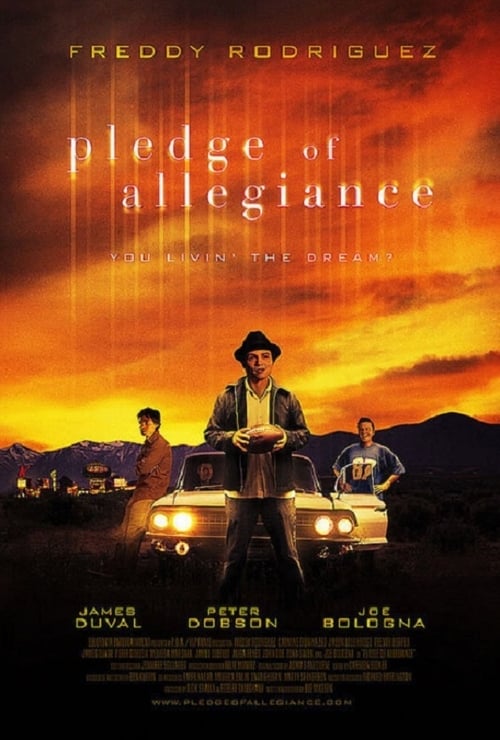
2003
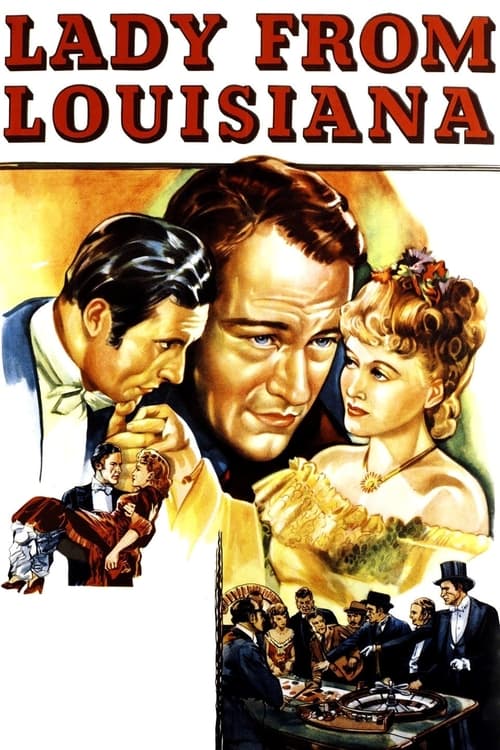
1941

2014

2002
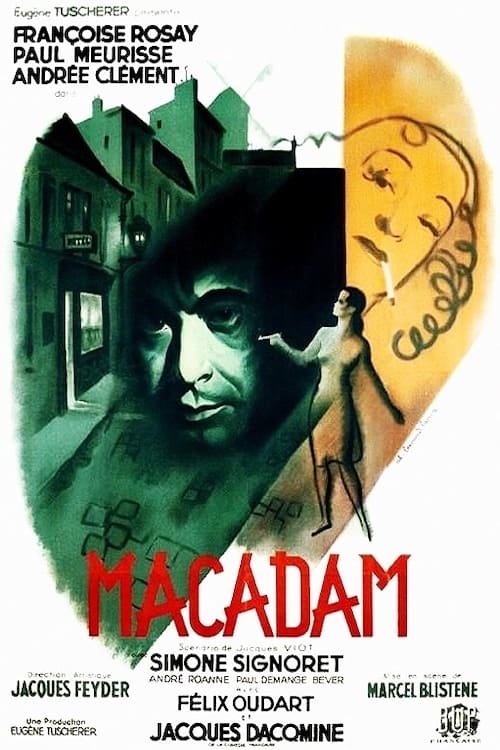
1946

1983
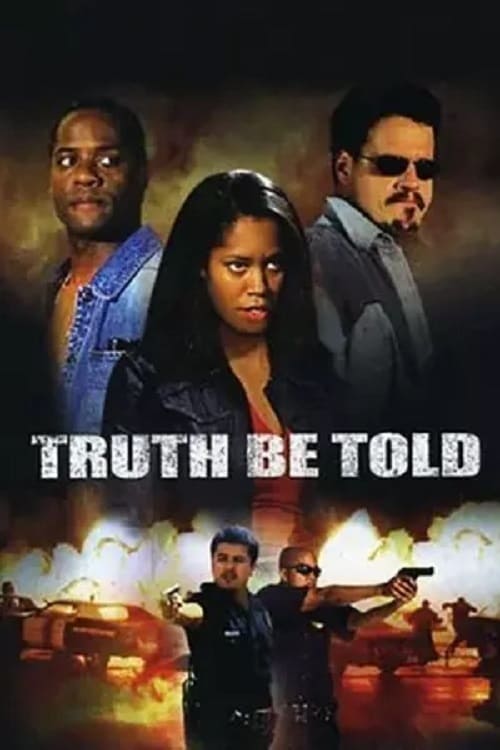
2002

2019
2012
2012
No reviews yet. Be the first to share your thoughts on this movie!
Use the rating form above to leave a star rating and optional review.