Banklady
2013
No user ratings available yet
Representation score: 6.1 out of 10
Representation Score
Fair
2012
TV-MADirector
Paul Whittington
Runtime
90 minutes
Average Rating
No ratings yetNew Showbiz Analysis
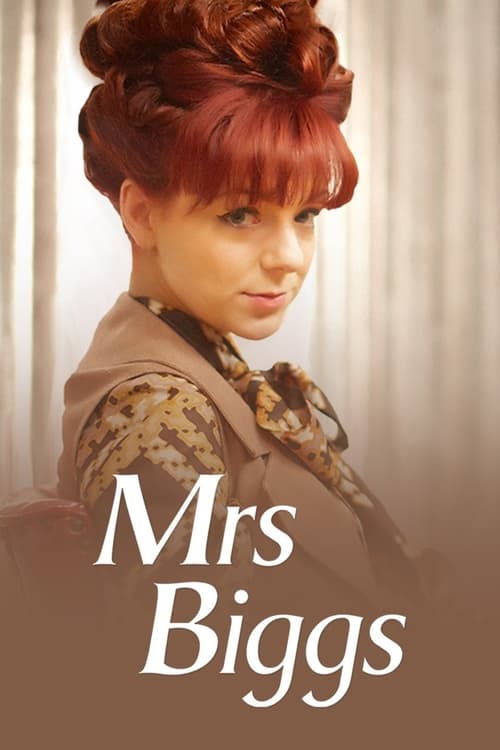
Mrs Biggs successfully challenges the social hierarchy of the 1950s by focusing on a woman's active role. The narrative reinterprets a historical criminal era through the eyes of a female protagonist breaking free from domestic confines. However, the film lacks depth in addressing multiple aspects of identity. The historical context limits racial diversity, and the plot adheres strictly to traditional heterosexual norms, offering little representation for LGBTQ+ identities. Ultimately, the film is a character-driven exploration of rebellion against traditional social structures and gender roles.
Category Breakdown
The story focuses on a romance between Charmian and Ronald Biggs, which follows traditional heterosexual norms. There are no LGBTQ+ characters or non-traditional gender identities in the main storyline.
Charmian Biggs is a rebellious heroine who defies the strict gender roles of the 1950s. She evolves from a passive housewife to an active participant in a criminal enterprise, taking control of her own life.
The 1950s British setting suggests a predominantly white cast. The story reflects the demographic makeup of the time, with few characters representing diverse backgrounds.
The film challenges traditional British social norms by portraying the law and social order as oppressive forces. It highlights the protagonist's rebellion against these constraints.
There is no indication of physical or cognitive disabilities being portrayed in the film.
Present on Screen
Limited or Absent
Official Synopsis
The true story of Charmian Biggs (née Powell), the rebellious product of a strict 1950s upbringing, and her whirlwind romance with Ronald Biggs leading to a descent into crime, most infamously 1963's Great Train Robbery.
2013
1998

2016

1990

1980
2010
1973

2003
No reviews yet. Be the first to share your thoughts on this movie!
Use the rating form above to leave a star rating and optional review.