
Cesar and Rosalie
1972
No user ratings available yet
Representation score: 4.5 out of 10
Representation Score
Minimal
1990
Director
George Ogilvie
Runtime
95 minutes
Average Rating
No ratings yetNew Showbiz Analysis
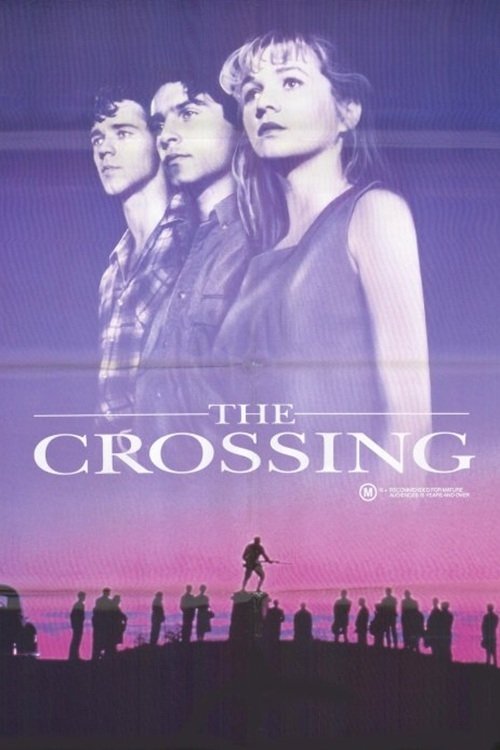
The Crossing is a traditional period drama that emphasizes classic romantic tension over diverse representation. It follows established genre conventions, focusing on individual choices within a localized setting rather than challenging broader social norms. While the film provides some depth through its female lead, it does not intentionally address or challenge social, racial, or gender norms. The narrative structure remains firmly rooted in a homogeneous, straight-centered framework.
Category Breakdown
The film sticks to traditional romantic storylines focused on heterosexual relationships. There are no characters with non-binary gender identities or narratives that question the assumption that everyone is straight.
Meg serves as the main decision-maker, offering a significant role for women in the story. However, the narrative still revolves around traditional romantic conflicts and male-dominated power structures.
The cast appears predominantly white and comes from a small-town setting. The story does not include non-white characters to challenge the status quo.
The story focuses on personal bonds and loyalty within a traditional social framework. It emphasizes interpersonal relationships rather than questioning traditional institutions like family or community.
There are no characters with visible or invisible disabilities in the narrative.
Present on Screen
Limited or Absent
Official Synopsis
A single day. To challenge the past. To accept the present. To decide the future. Sam arrives in his home town after 18 months away, hopeful that Meg, the girlfriend he abandoned, will go back with him to the city. His return brings the outside world into the parochial confines of the town, provoking mixed reactions which fuel conflict. Meg, heartbroken when Sam left her, has begun an affair with Sam's friend Johnny. On the eve of Sam's arrival, Johnny asks Meg to marry him. The marriage proposal, along with Sam's unexpected return, forces Meg to choose not only between the two men but also the type of life she wants. The conflicting loyalties and emotions generated by the triangle provide the focus for an array of inter-related characters enmeshed in the life of this country town. There is a feeling of impending tragedy as night falls and Johnny becomes increasingly desparate.
1972
1991
1999
1964
1950

1996

1989
1999
No reviews yet. Be the first to share your thoughts on this movie!
Use the rating form above to leave a star rating and optional review.