Cantata
1963
No user ratings available yet
Representation score: 7.6 out of 10
Representation Score
Excellent
1983
Director
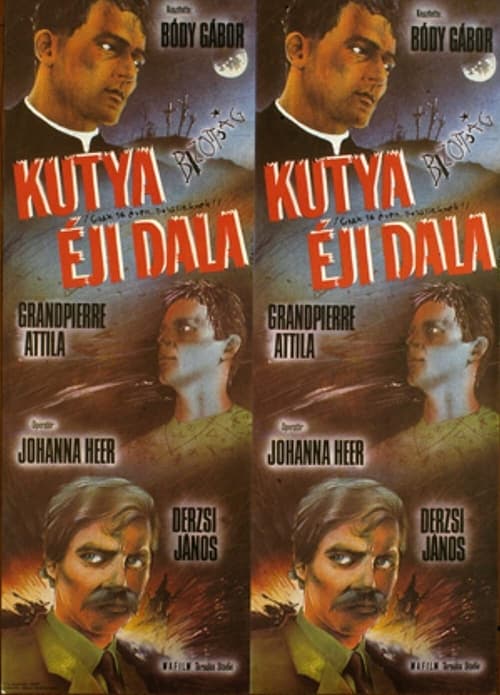
Gábor Bódy
Runtime
145 minutes
Average Rating
No ratings yetNew Showbiz Analysis
Gábor Bódy’s drama centers on characters who exist outside mainstream institutions. By combining a priest, a punk musician, and a disabled former politician, the film examines moral ambiguity. The film stands out with its nuanced portrayal of disability and political displacement. It goes beyond typical formulas to explore how these factors intersect with personal struggles. While the film excels in representing cultural and disability issues, it remains confined to its specific European historical context and lacks explicit LGBTQ+ or multi-ethnic characters.
Category Breakdown
The film doesn't explicitly show LGBTQ+ characters or non-straight relationships. However, it focuses on people on the social periphery, suggesting an interest in diverse identities.
A woman dealing with a terminal illness explores her ability to drive the story despite her condition. The film avoids idealizing her by focusing on her struggle and suffering.
Set in 1983 Hungary, the film doesn’t feature a multi-ethnic cast. Instead, it looks at social layers and those considered outsiders within the Eastern Bloc.
The story mixes a priest with a punk musician and a former Communist, challenging state culture and embracing anti-establishment views.
A wheelchair-bound former political figure highlights the connection between physical disability and losing political power and influence.
Present on Screen
Limited or Absent
Official Synopsis
A priest arrives in a village and give advice and comfort to different people. He meets a wheelchair-bound former representative of the Communist party, a woman who is dying of tuberculosis and an astronomer who sings in a punk band.
1963

2013

1970
1994

1978
1997

1977
1987
No reviews yet. Be the first to share your thoughts on this movie!
Use the rating form above to leave a star rating and optional review.