Cantata
1963
No user ratings available yet
Representation score: 7.6 out of 10
Representation Score
Good
1987
Director
Miklós Jancsó
Runtime
89 minutes
Average Rating
No ratings yetNew Showbiz Analysis
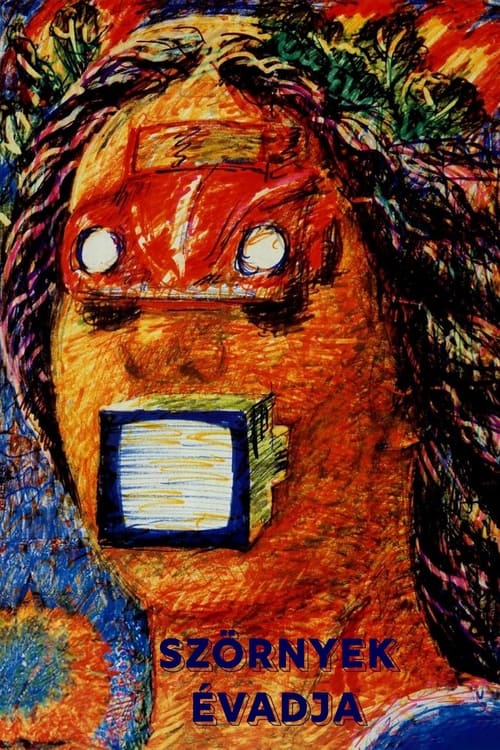
Season of Monsters is a psychological drama that prioritizes systemic and intellectual critique over demographic variety. The narrative focuses on the tension between an individual and the institutions that shape him, using a suicide investigation to dissect social pressures. While the film lacks overt representation of LGBTQ+ or diverse ethnic identities, it excels in its cultural interrogation of authority. It uses a procedural framework to explore how societal expectations impact the individual's mental state. The work is primarily a study of power dynamics and social control, making it a sophisticated exploration of the human condition within a specific national context.
Category Breakdown
The film does not explicitly confirm any queer identities or include non-straight characters. The score reflects a neutral stance, indicating a lack of overt representation of LGBTQ+ characters.
The plot centers around a male-dominated intellectual circle involving Zoltai, Bardocz, and Komindi. Female characters in Jancsó's work often challenge patriarchal structures, but here the main drivers are male.
As a Hungarian production, the film reflects a largely homogeneous ethnic landscape. It prioritizes the socio-political nuances of the Hungarian experience over racial or ethnic diversity.
The film delves into themes of moral relativism and institutional critique. It examines how systemic social structures and media influence can become corrosive to the individual.
The narrative explores profound psychological distress through the protagonist's suicide. This highlights the complexities of the human psyche and invisible mental health struggles.
Present on Screen
Limited or Absent
Official Synopsis
Zoltai is a Hungarian professor who returns home after a visit to the United States. Following a television interview, he commits suicide and leaves a note for his longtime friend Dr. Bardocz. The doctor and Zoltai's colleague Komindi join the police in investigating what drove the man to suicide.
1963
1985
1967
1988
2002
1971
1980
1989
No reviews yet. Be the first to share your thoughts on this movie!
Use the rating form above to leave a star rating and optional review.