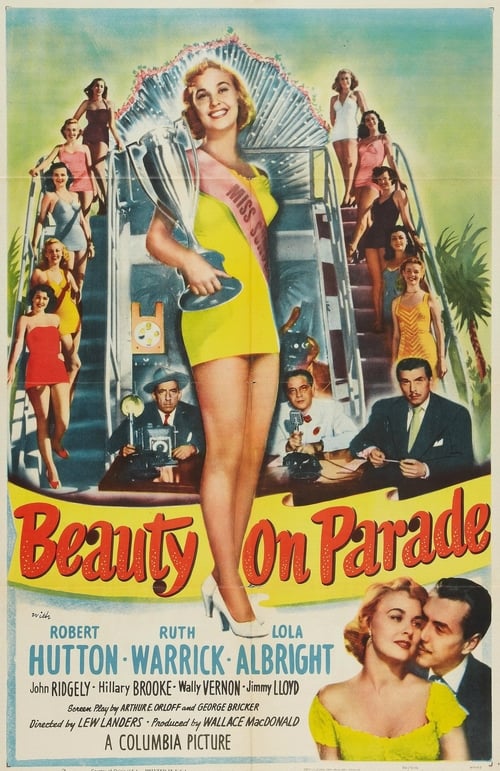
Beauty on Parade
1950
No user ratings available yet
Representation score: 1.0 out of 10
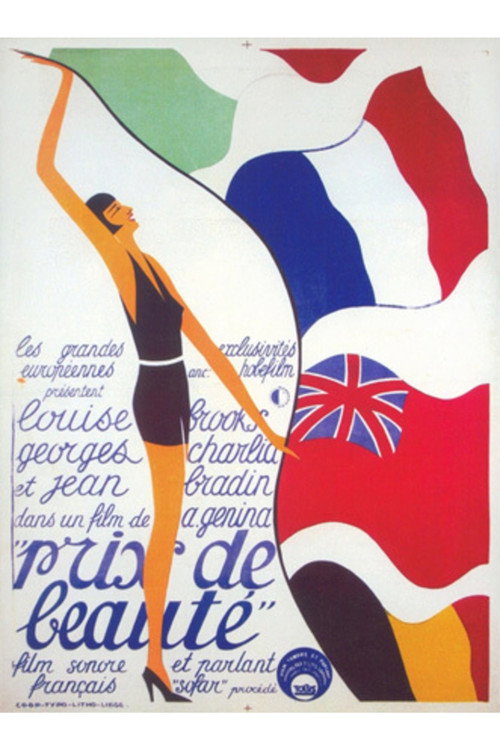
Representation Score
Limited
1930
Director
Augusto Genina
Runtime
93 minutes
Average Rating
No ratings yetNew Showbiz Analysis
Miss Europe is a period piece that reflects the social hierarchies and demographics of 1930. While it offers a glimpse into early celebrity culture, it lacks multi-layered depth. The film's strength lies in its portrayal of women's ability to drive the story through Lucienne's pursuit of professional visibility. She actively resists the submissive roles expected by her partner, providing a moderate level of character autonomy. However, the film is limited by its Eurocentric focus and its adherence to traditional romantic structures. It primarily explores the themes of beauty and ambition without delving into broader social critiques.
Category Breakdown
The film does not include any characters with LGBTQ+ identities. The story revolves around a traditional romance between Lucienne and Andre, following conventional heterosexual norms.
Lucienne asserts herself by pursuing a career in pageantry rather than settling into domestic life. However, the narrative emphasizes her physical appearance and the era's focus on beauty.
The film's setting shifts between France and Spain, yet the cast appears largely Eurocentric. The movie reflects the homogeneous social structures typical of early 20th-century Western media.
The narrative focuses on the glamour and commercialism of the pageant industry. It lacks a critical examination of systemic or religious influences, instead highlighting the aspirational qualities of celebrity culture.
No visible or invisible disabilities are portrayed within the main character arcs.
Present on Screen
Limited or Absent
Official Synopsis
Lucienne, typist and gorgeous bathing beauty, decides to enter the 'Miss Europe' pageant sponsored by the French newspaper she works for. She finds her jealous lover Andre violently disapproves of such events and tries to withdraw, but it's too late; she's even then being named Miss France. The night Andre planned to propose to her, she's being whisked off to the Miss Europe finals in Spain, where admirers swarm around her. Win or lose, what will the harvest be?
1950
1930
1934
1930

1927
1931
1930
1935
No reviews yet. Be the first to share your thoughts on this movie!
Use the rating form above to leave a star rating and optional review.