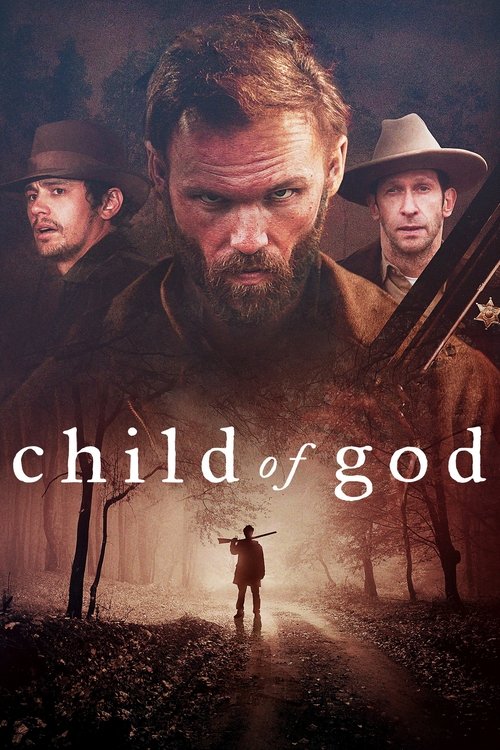
Child of God
2014
No user ratings available yet
Diversity score: 3.1 out of 10
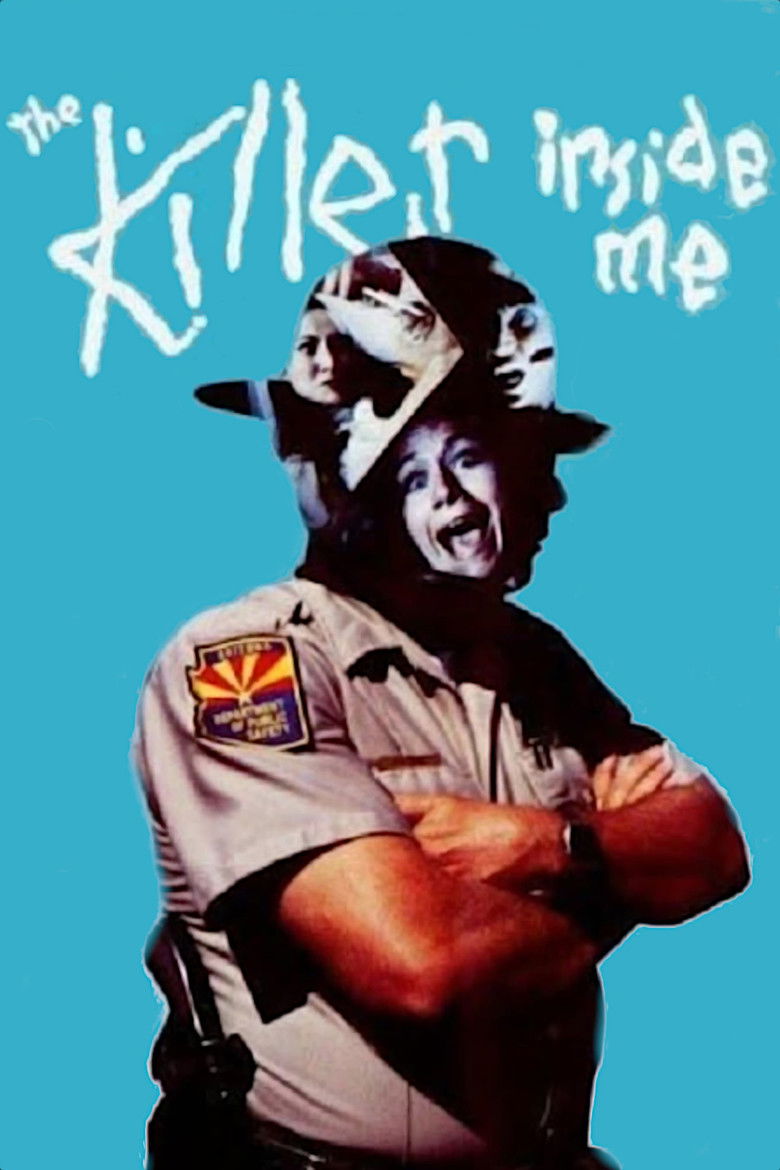
1976
RDirector
Burt Kennedy
Runtime
99 minutes
Average Rating
No ratings yetSynopsis
Haunted by visions from his abusive childhood, Montana deputy sheriff Lou Ford gradually exhibits the signs of a homicidal schizophrenic.
Overall Score
Fair
Category Breakdown
LGBTQ+ Representation
The film lacks LGBTQ+ characters or non-heteronormative identities. Interpersonal dynamics remain strictly within the heteronormative structures of mid-20th-century Texas.
Gender Representation
The narrative operates within traditional hierarchies, though it disrupts norms through psychological tension. While a female lead is central, power dynamics are defined by manipulation and the protagonist's dominance.
Racial & Ethnic Diversity
The cast is predominantly homogeneous, reflecting the historical context of a small West Texas town. The film does not present significant racial intersectionality or utilize color-blind casting.
Religious & Cultural Diversity
The film excels in deconstructing Western institutions and small-town social structures. It uses moral relativism to critique the 'mask of civility' and the reliability of law enforcement.
Disability Representation
Psychological instability and a fractured psyche drive the thriller's tension. However, these elements serve the plot's descent into violence rather than offering a nuanced exploration of neurodivergence.
Strengths
Areas for Improvement
AI Analysis
The film functions as a psychological deconstruction of the Western archetype. It replaces the stoic, moralistic lawman with a homicidal protagonist, challenging the viewer's perception of authority and social order. While the film lacks demographic breadth regarding race and orientation, it achieves narrative sophistication through moral ambiguity. It successfully dismantles the standard tropes of the genre by presenting a charismatic killer as the central figure. Ultimately, the work prioritizes the breakdown of communal order and the instability of social masks over diverse representation, resulting in a score that reflects its specific historical and genre-driven constraints.
2014

1959

1958

1992
2012
2010

1971

1987
2016
1997
1996

1983
No reviews yet. Be the first to share your thoughts on this movie!
Use the rating form above to leave a star rating and optional review.