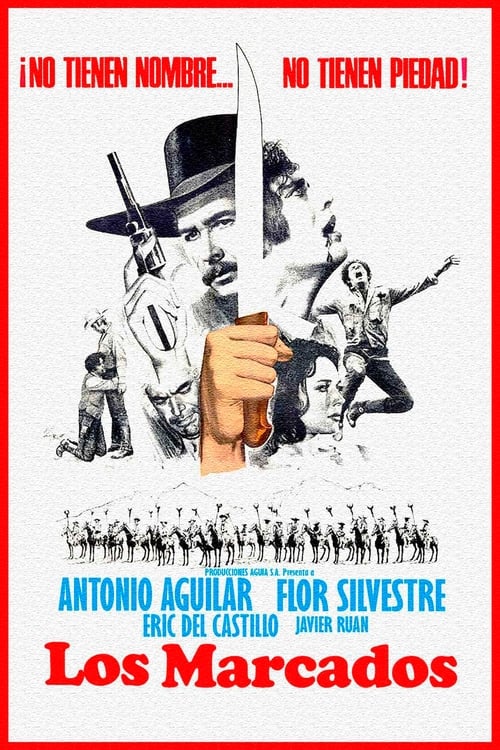
They Call Him Marcado
1971
No user ratings available yet
Diversity score: 5.1 out of 10
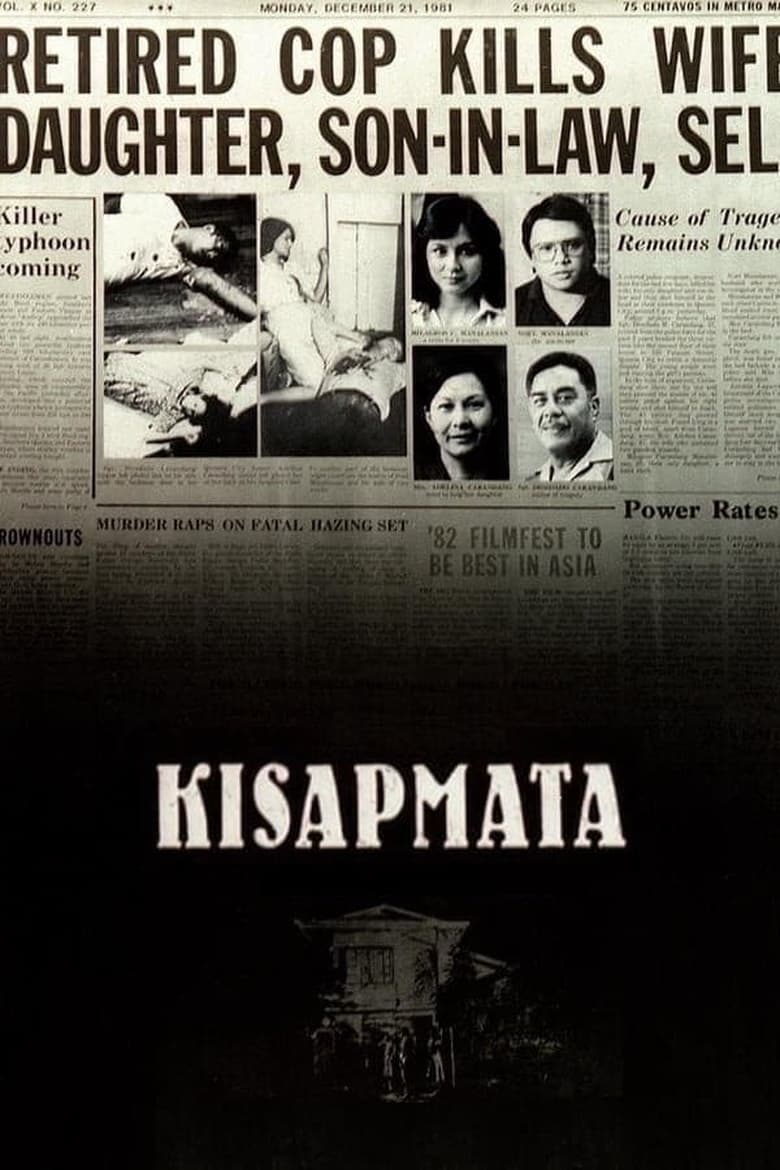
1981
TV-14Director
Mike de Leon
Runtime
99 minutes
Average Rating
No ratings yetSynopsis
A young womans gets married but her possessive father refuses to let her out of his sight.
Overall Score
Fair
Category Breakdown
LGBTQ+ Representation
The film focuses strictly on heteronormative structures within a traditional Filipino family. There is no evidence of queer subtext or non-cisnormative identities in the character arcs.
Gender Representation
Masculinity is portrayed as a source of terror and psychological dysfunction through the controlling patriarch. Female characters serve as the lens to expose the toxicity of these traditional hierarchies.
Racial & Ethnic Diversity
As a landmark of Filipino cinema, the film centers the local experience without a Western gaze. It provides high cultural authenticity by focusing on local socioeconomic realities.
Religious & Cultural Diversity
The narrative critiques traditional institutional stability by portraying the ideal family as inherently oppressive. It uses the patriarch as a microcosm to critique centralized, unchecked authority.
Disability Representation
There are no prominent depictions of physical or neurodivergent disabilities. Psychological trauma is presented as a response to the environment rather than a character-driven exploration of disability.
Strengths
Areas for Improvement
AI Analysis
Kisapmata is a sophisticated political allegory that uses the domestic sphere to mirror the systemic oppression of the Martial Law era. It excels by deconstructing the 'protector' trope of traditional masculinity, reframing the family unit as a site of surveillance and tyranny. While the film is culturally authentic and provides a powerful critique of patriarchal and state-level hierarchies, it lacks representation for LGBTQ+ identities and individuals with disabilities. The narrative remains tightly focused on the heteronormative family structure. Ultimately, the film's strength lies in its ability to challenge the status quo through social commentary. It transforms the traditional sanctity of the home into a profound study of how authoritarianism erodes individual agency.
1971
1995
1996
2004
1961

1971
1984
No reviews yet. Be the first to share your thoughts on this movie!
Use the rating form above to leave a star rating and optional review.