
Cover Girl Killer
1959
No user ratings available yet
Representation score: 2.9 out of 10
Representation Score
Limited
1965
Not RatedDirector
Joseph Cates
Runtime
94 minutes
Average Rating
No ratings yetNew Showbiz Analysis
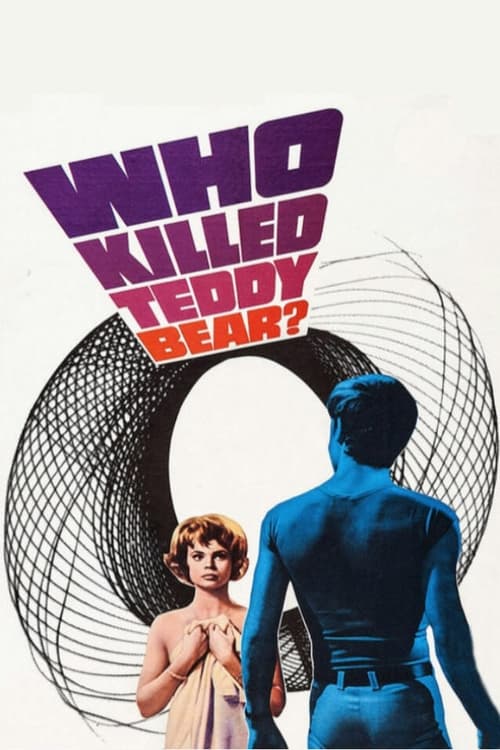
Who Killed Teddy Bear? is a classic mid-century crime thriller that closely follows the genre clichés of its time. The narrative centers on the 'lone hero' archetype, focusing on a singular masculine figure driving the plot through institutional authority. Instead of exploring complex social dynamics, the film uses deviance and psychological instability as tools for suspense. This approach reinforces traditional social hierarchies and relies on the stigmatization of 'otherness' to create conflict. Ultimately, the film operates as a standard procedural that prioritizes genre-standard suspense over nuanced storytelling or the subversion of conventional social norms.
Category Breakdown
The film uses mid-century stereotypes that treat non-traditional sexualities as problematic. The antagonist is portrayed as a 'perverted menace,' using unconventional sexuality to create suspense without giving LGBTQ+ characters much influence over their own stories.
The story focuses heavily on masculine authority. The plot revolves around a 'hard-boiled cop' on a 'one-man mission,' reinforcing traditional gender roles and emphasizing masculine leadership.
There is no clear indication of a diverse cast. The film aligns with the 1960s crime genre's typical Anglo-centric perspective and homogeneous urban settings.
The story emphasizes Western institutional values and the restoration of social order. The protagonist acts as a representative of the state to maintain order against societal deviance.
Mental health issues are used as a plot device to signify villainy. The antagonist is characterized as 'unbalanced,' relying on the 'madman' stereotype rather than nuanced representation.
Present on Screen
Limited or Absent
Official Synopsis
A grim police detective embarks on a one-man crusade to track down a depraved sex maniac when a nightclub deejay receives a disturbing series of obscene phone calls. Finding himself getting far too close to the victim for comfort, the hard-boiled cop must track down the unbalanced pervert before he can carry out his sick threats.
1959
1958

2001

1975
1969
1956
1947
1950
No reviews yet. Be the first to share your thoughts on this movie!
Use the rating form above to leave a star rating and optional review.