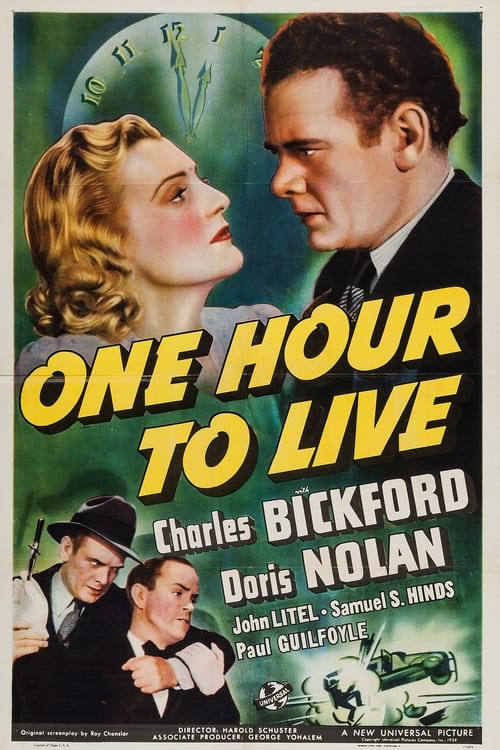
One Hour to Live
1939
No user ratings available yet
Representation score: 3.1 out of 10
Representation Score
Minimal
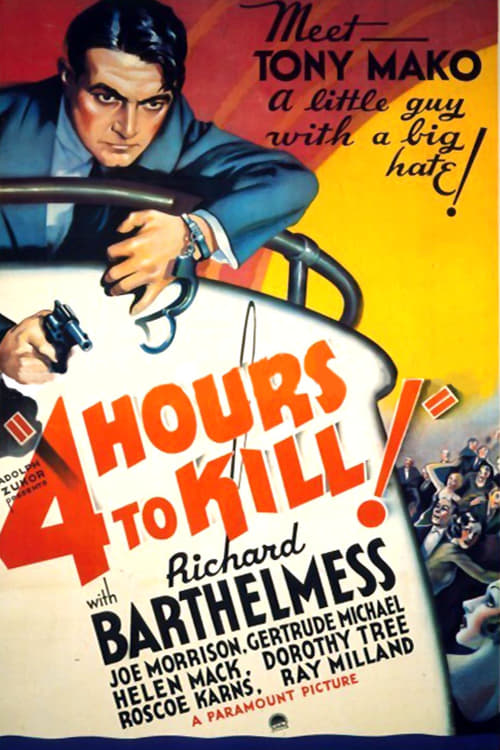
1935
NRDirector
Mitchell Leisen
Runtime
70 minutes
Average Rating
No ratings yetNew Showbiz Analysis
This crime melodrama prioritizes plot mechanics and character tension over social commentary, functioning as a product of its era. It relies on established clichés of the period, focusing on individual morality and the friction between law enforcement and criminality. The narrative architecture reinforces the social order of the time, centering on personal transgressions and the consequences of criminal behavior within a standard societal framework.
Category Breakdown
The film strictly follows the social norms of 1935, with no depiction of LGBTQ+ identities or same-sex relationships. It focuses on heterosexual relationships.
Female characters like Mae play significant roles in driving the conflict, but their actions are confined to traditional stereotypes such as the unfaithful wife or the schemer.
The cast and setting reflect the homogeneous demographics typical of mid-1930s America, with no indication of a non-white majority cast or diverse ethnic representation.
The narrative emphasizes the conventional social order through themes of policing and legal custody, focusing on personal transgressions like blackmail and adultery within a standard framework.
No characters are shown dealing with physical, neurodivergent, or mental health disabilities. The cast is defined by social and criminal status rather than disability.
Present on Screen
Limited or Absent
Official Synopsis
A detective who has "four hours to kill" before delivering his prisoner, an escaped killer, spends the time in the lobby of a Broadway theater where a musical is playing. The film focuses on the relationship between the two men, and also between various characters in the theater audience, staff and cast.
1939

1937

1936

1939
1930

1929

1934
1948
No reviews yet. Be the first to share your thoughts on this movie!
Use the rating form above to leave a star rating and optional review.