
Summer Is Over
1963
No user ratings available yet
Representation score: 1.8 out of 10
Representation Score
Fair
1979
Director
György Palásthy
Runtime
81 minutes
Average Rating
No ratings yetNew Showbiz Analysis
That Lovely Green Grass is a communal narrative focused on social cohesion and environmental stewardship. It successfully portrays collective action through a grassroots project to beautify an urban courtyard. However, the film remains limited by the demographic realities of its era and region. It lacks representation for LGBTQ+ identities and racial diversity, reflecting a more homogeneous social landscape. Ultimately, the film's strength lies in its cultural focus on community utility rather than individualistic pursuits, even if it lacks modern multi-layered markers.
Category Breakdown
The film does not include explicit LGBTQ+ characters or narratives that question the assumption that everyone is straight or cisgender. Social dynamics focus on traditional interactions and a shared mission.
Kamilla offers a moderate challenge to traditional gender roles. As an insurance consultant, she demonstrates professional competence and fosters a collaborative relationship with Misu.
Reflecting the demographic uniformity of 1979 Hungary, the film centers on a localized Budapest setting. It lacks diverse representation but avoids promoting exclusionary stereotypes.
The narrative emphasizes collectivist values and communal labor over individualistic interests. It highlights environmental stewardship and grassroots organization to improve urban spaces.
There are no visible or invisible disabilities depicted among the main characters in this story.
Present on Screen
Limited or Absent
Official Synopsis
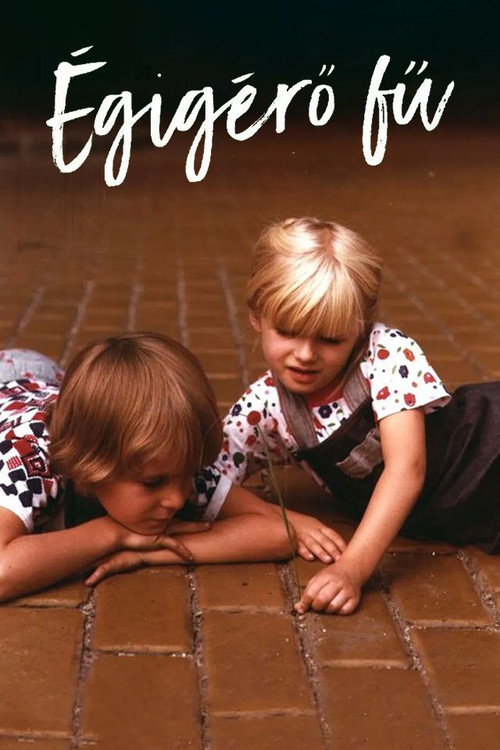
Misu is spending his summer holiday in an old block of flats in Budapest. The caretaker of the house, Poldi, a park attendant by occupation, is going to retire in a few days and he is afraid to think ahead of the years to come without grass and trees. An idea comes to Misu to spend the summer in an active way. He organises a working party to sod the inner court of the block of flats they live in. To achieve his plan, he has to make alliances with some people and to win the opponent to the idea, namely Kamilla, an insurance consultant. Their assistants in this mission will be the dustman and the coal deliverer and Piroska, a girl spending her holyday at Kamilla's.
1963

1961

1963
1971

1964

1989
1966
2009
No reviews yet. Be the first to share your thoughts on this movie!
Use the rating form above to leave a star rating and optional review.