The Adventures of Tolya Klyukvin
1964
No user ratings available yet
Representation score: 1.9 out of 10
Representation Score
Limited
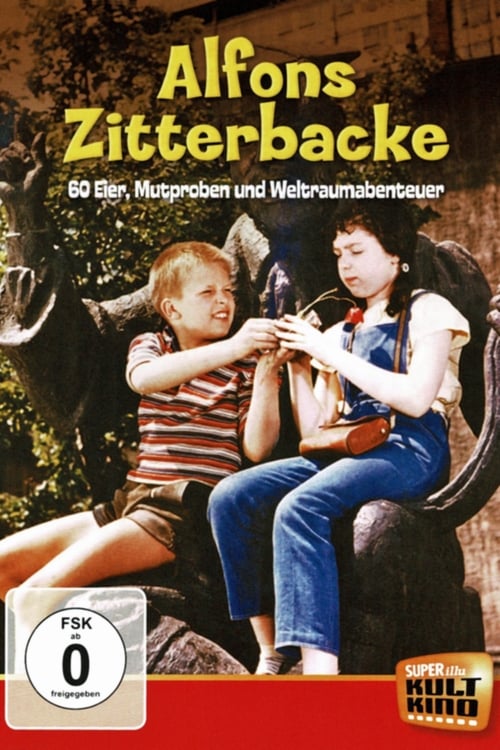
1966
Director
Konrad Petzold
Runtime
68 minutes
Average Rating
No ratings yetNew Showbiz Analysis
Alfons Zitterbacke is a reflection of its specific historical context in the GDR. The film prioritizes the stability of the socialist collective, focusing on the tension between individual rebellion and social conformity. The narrative adheres closely to the demographic and ideological norms of the era, lacking the complexity of multiple intersecting identities. It serves to reinforce existing power structures rather than challenge them. From a contemporary perspective, the film offers limited diversity, centering on a homogeneous population and traditional social structures.
Category Breakdown
The film does not include any LGBTQ+ characters or explore non-straight identities. It reflects a time when such identities were not represented.
The story focuses on the adolescent male experience and traditional masculinity. It emphasizes the protagonist's relationship with patriarchal authority, reinforcing conventional gender roles.
The film's cast is racially uniform, reflecting the demographics of 1966 East Germany. It portrays a society that is ethnically and culturally consistent.
The story is rooted in secular socialist ideology, emphasizing collective action over individualism. It highlights the importance of conforming to state-imposed social norms.
The film does not prominently depict neurodivergence or physical disabilities. The protagonist's struggles are presented as personal flaws rather than as part of a broader exploration of disability.
Present on Screen
Limited or Absent
Official Synopsis
Alfons is very unlucky boy. Even when he intends well everything is going wrong, so his life is full of various mishaps.
1964

1963

2000

1989
1948
2012
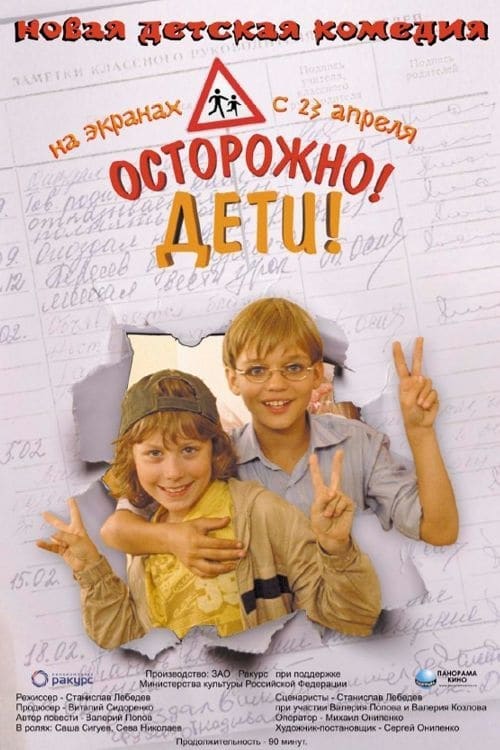
2008
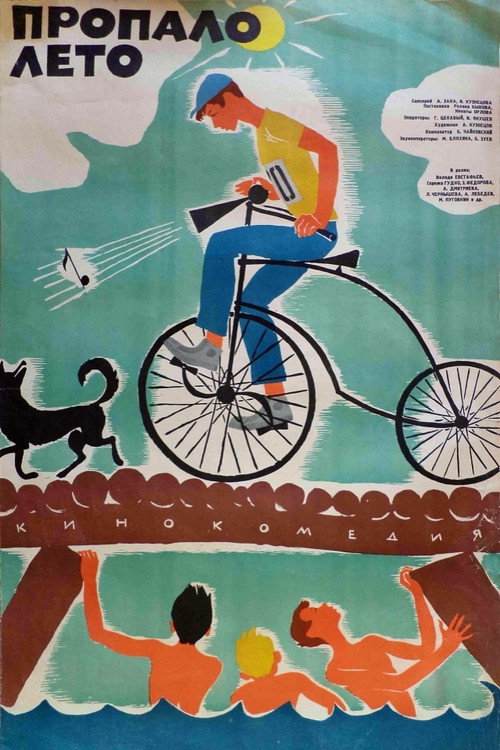
1963
No reviews yet. Be the first to share your thoughts on this movie!
Use the rating form above to leave a star rating and optional review.