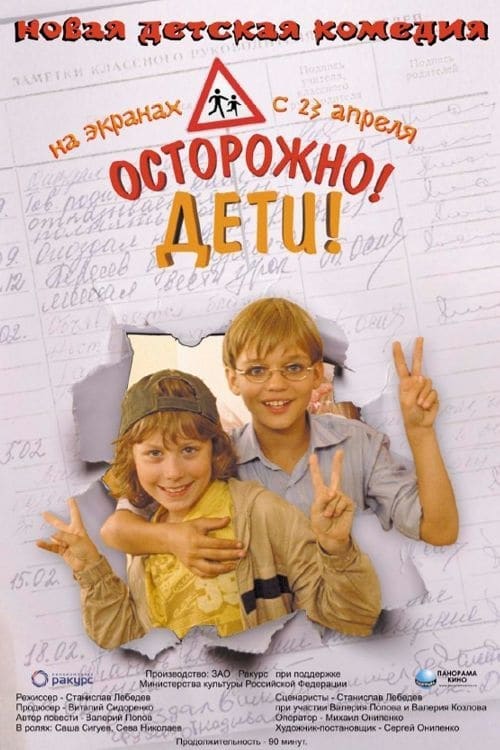
Caution, Kids!
2008
No user ratings available yet
Representation score: 3.1 out of 10
Representation Score
Minimal
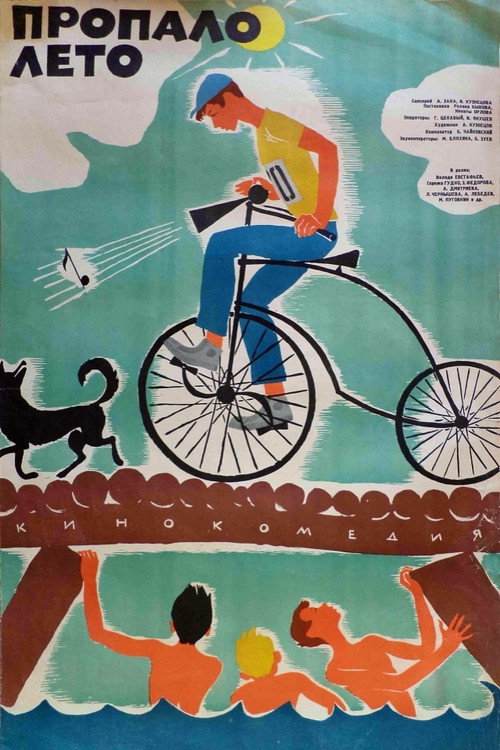
1963
Director
Nikita Orlov, Rolan Bykov
Runtime
79 minutes
Average Rating
No ratings yetNew Showbiz Analysis
Summer Is Over is a family comedy that adheres strictly to the social and cultural norms of its 1963 production era. The film centers on the adventures of two children, emphasizing developmental narrative structures over systemic critique or complex diversity. Since the film upholds the traditional communal values of the Soviet period, it lacks the diverse representation or subversive themes found in more contemporary cinema. The focus remains on a homogeneous social unit typical of the adventure genre. Ultimately, the film serves as an accurate reflection of its time rather than a work that challenges social norms or explores underrepresented identities.
Category Breakdown
The film does not include any LGBTQ+ characters or narratives. It follows the social norms of the Soviet Union in 1963.
The story focuses on two sixth-grade students and their peer dynamics. It does not challenge traditional gender roles or portray masculinity in non-traditional ways.
The cast likely reflects the ethnic makeup of the Soviet Union during that time. The film does not feature actors from diverse ethnic backgrounds.
The narrative emphasizes communal values and social cohesion, which were common in Soviet storytelling of the 1960s. It does not explore moral relativism or deconstruct traditional institutions.
The film does not include any characters with visible or invisible disabilities. Such elements are not used as plot devices or given significant roles.
Present on Screen
Limited or Absent
Official Synopsis
A family comedy about funny adventures of two six-graders during the summer vacations.
2008
1964
1948

1964

1963
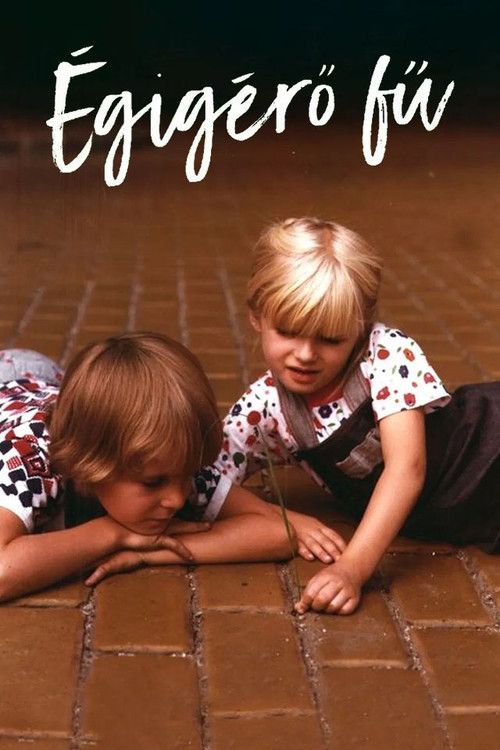
1979

1989
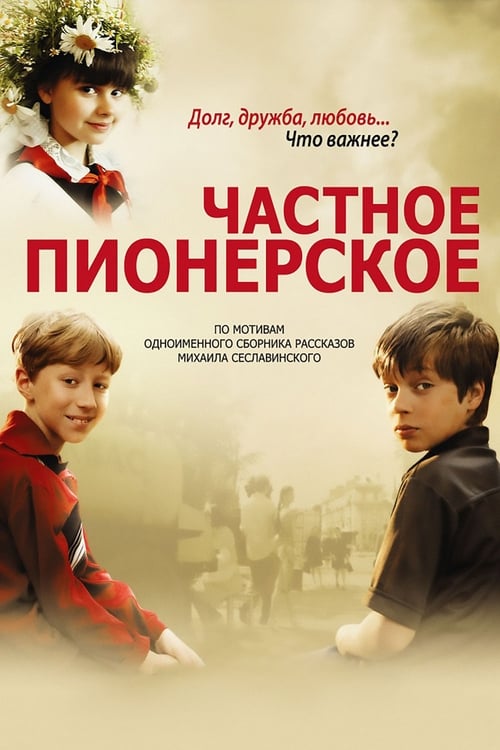
2013
No reviews yet. Be the first to share your thoughts on this movie!
Use the rating form above to leave a star rating and optional review.