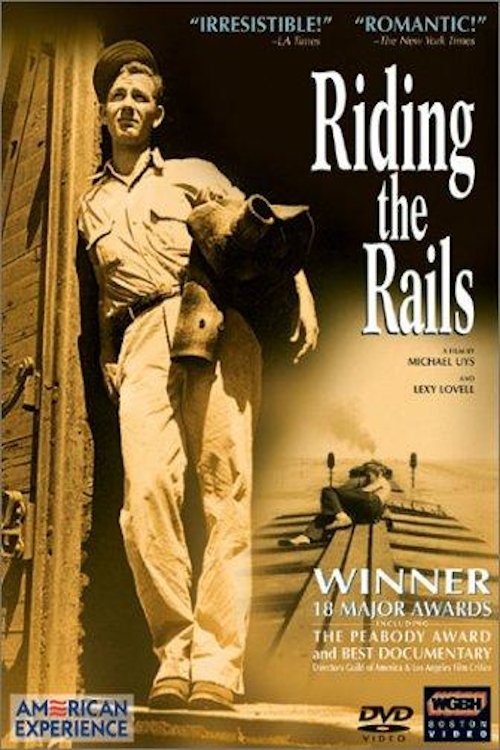
Riding the Rails
1997
No user ratings available yet
Representation score: 4.9 out of 10
Representation Score
Minimal
1967
Director
Titus Moede
Runtime
84 minutes
Average Rating
No ratings yetNew Showbiz Analysis
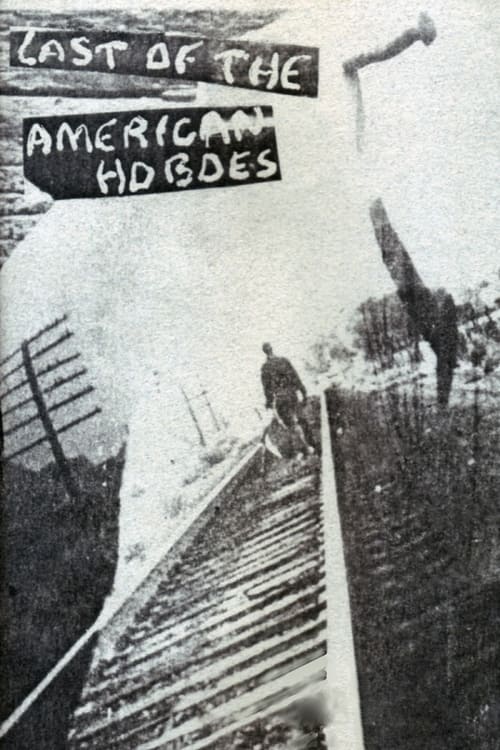
This semi-documentary explores the rise and fall of American hobo culture, a subject matter that inherently touches on systemic displacement. While the film may critique capitalist structures and the fringes of society, it lacks specific, verifiable data regarding identity-based representation. The low diversity score reflects a lack of information concerning gender, race, and LGBTQ+ identities. The narrative appears centered on a historically male-dominated subculture, leaving much of the social landscape unexamined. Ultimately, the film's value lies in its thematic preoccupation with anti-institutional frameworks rather than a diverse cast of characters.
Category Breakdown
The film does not include any characters who identify as LGBTQ+. There is no exploration of non-straight relationships or identities.
The focus on hobo culture suggests a male-dominated environment. There is no evidence of women playing significant roles or challenging traditional masculinity.
The synopsis does not mention any non-white or non-Anglo-Saxon actors. The roles of characters of color are not verified.
The film documents a vanishing subculture, likely critiquing industrialization and the pressures of the American Dream.
There is no information about the depiction of physical, neurodivergent, or mental health conditions. No disability representation is present.
Present on Screen
Limited or Absent
Official Synopsis
Previously lost semi-documentary on the rise and fall of American hobo culture.
1997
2000
1992
2003
No reviews yet. Be the first to share your thoughts on this movie!
Use the rating form above to leave a star rating and optional review.