Omo Child: The River and the Bush
2015
No user ratings available yet
Diversity score: 7.7 out of 10
2011
Not RatedDirector
Alma Har'el
Runtime
80 minutes
Average Rating
No ratings yetSynopsis
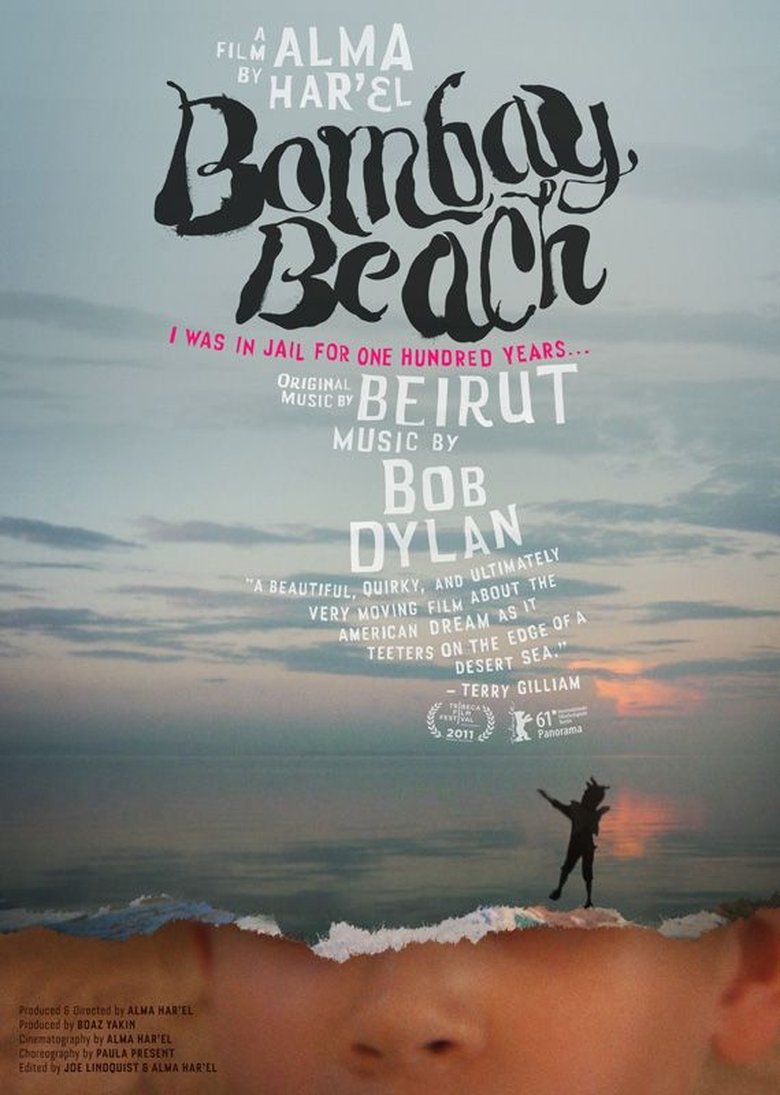
Bombay Beach is one of the poorest communities in southern California located on the shores of the Salton Sea, a man-made sea stranded in the middle of the Colorado desert that was once a beautiful vacation destination for the privileged and is now a pool of dead fish. Film director Alma Har'el tells the story of three protagonists. Together these portraits form a triptych of manhood in its various ages and guises...
Overall Score
Fair
Category Breakdown
LGBTQ+ Representation
The film lacks explicit queer arcs or non-heteronormative identities. While social dynamics among youth appear fluid, there is no specific character agency centered on LGBTQ+ identities.
Gender Representation
Gender is presented through the lens of socioeconomic pressure rather than archetypes. The film avoids traditional tropes of masculinity and femininity by documenting raw, unscripted interactions.
Racial & Ethnic Diversity
The film centers marginalized populations by featuring local residents of a decaying enclave. It provides a platform for voices typically excluded from mainstream media narratives.
Religious & Cultural Diversity
The narrative serves as a critique of systemic failure and capitalist neglect. It frames the subjects' behaviors as logical responses to environmental injustice and a fractured social contract.
Disability Representation
There are no prominent depictions of physical or neurodivergent disabilities. However, the film engages with the psychological hardships and social isolation imposed by extreme poverty.
Strengths
Areas for Improvement
AI Analysis
Bombay Beach succeeds as a sociological study, using a triptych structure to explore the human condition within a landscape of environmental decay. It excels at centering marginalized voices and challenging Western institutional promises through its focus on the Salton Sea community. However, the film lacks specific representation for LGBTQ+ identities and does not feature prominent depictions of physical disabilities. The narrative focus remains largely on broader systemic and socioeconomic pressures rather than individual identity-driven arcs. Ultimately, the film's strength lies in its refusal to sanitize the lived experiences of its subjects, offering a profound critique of the American Dream's failures.
2015

2018

2012

2009

2020
1967
No reviews yet. Be the first to share your thoughts on this movie!
Use the rating form above to leave a star rating and optional review.