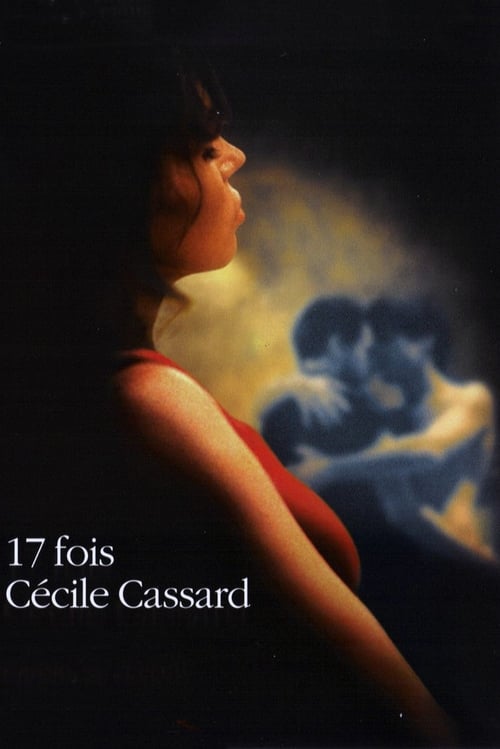
17 fois Cécile Cassard
2002
No user ratings available yet
Representation score: 6.1 out of 10
Representation Score
Fair
2000
Director
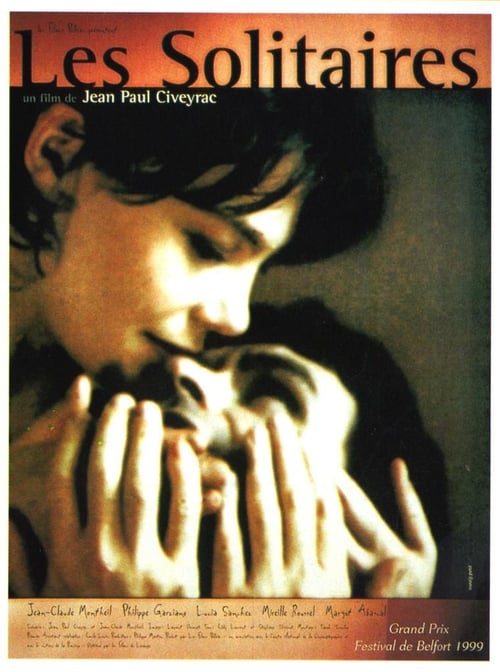
Jean-Paul Civeyrac
Runtime
75 minutes
Average Rating
No ratings yetNew Showbiz Analysis
The Lonely is a minimalist character study that prioritizes psychological realism over social representation. By focusing on grief and fraternal tension, it subverts the cliché of the stable, idealized family. However, the film lacks explicit markers of diversity. It remains centered on a homogeneous social environment and traditional heterosexual dynamics, offering limited representation of racial, LGBTQ+, or disability-based identities.
Category Breakdown
The film centers on heterosexual relationships between the brothers and their wives. There is no explicit depiction of non-traditional gender identities.
Women play key roles in driving the plot and causing disruptions. However, they are portrayed more as agents of instability than as fully developed independent characters.
The story takes place in a traditional, homogeneous French setting. There is no indication of a multi-ethnic cast or diverse representation.
The narrative challenges the idealized Western family structure through themes of grief and dysfunction. It emphasizes psychological complexity over traditional, stable domestic ideals.
There is no mention of physical or neurodivergent disabilities. The protagonist’s dream state might suggest mental health issues, but this is not explicitly confirmed.
Present on Screen
Limited or Absent
Official Synopsis
Pierre's wife, Madeleine, is dead, but he still sees her in his dreams. One day, his younger brother, Baptiste, comes back to live with him. A new life is possible, but Eva, Baptiste's wife, comes back and divides the two brothers.
2002
2018
1993
1974
2012

2008
2009
1990
No reviews yet. Be the first to share your thoughts on this movie!
Use the rating form above to leave a star rating and optional review.