Swing Banditry
1936
No user ratings available yet
Representation score: 0.9 out of 10
Representation Score
Limited
1944
ApprovedDirector
Joseph Santley
Runtime
71 minutes
Average Rating
No ratings yetNew Showbiz Analysis
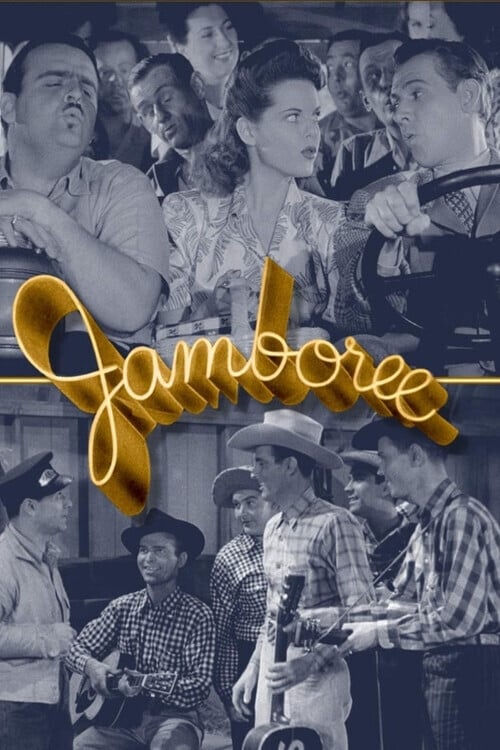
Jamboree is a product of the 1940s studio system, prioritizing conventional musical comedy structures over diverse storytelling. The film functions as a piece of mainstream entertainment that reinforces the social hierarchies of its era. The narrative focuses on professional competition within the music industry, which tends to favor traditional archetypes. This results in a lack of representation for underrepresented identities, including LGBTQ+ individuals and people with disabilities. Ultimately, the film serves to uphold established cultural norms rather than challenge them. It offers a standardized view of American life through the lens of mid-century genre conventions.
Category Breakdown
The film adheres to the strict production codes of the 1940s. It reinforces the assumption that everyone is straight or cisgender without any evidence of queer intimacy or non-straight relationships.
Female performers likely occupy roles defined by their physical appearance or romantic interest. The narrative follows traditional gender hierarchies rather than providing women with significant control over the story.
The film likely reflects the homogeneous casting standards of the mid-century studio system. It lacks documentation of a non-white majority cast or diverse performance troupes.
The story centers on traditional American communal values through a rural radio program. It prioritizes social cohesion and mainstream entertainment over cultural critique.
There is no evidence of neurodivergent or physically disabled characters having significant control over the story. Disability is either absent or relegated to a peripheral plot device.
Present on Screen
Limited or Absent
Official Synopsis
A trio of competing bands vie for a spot on a rural radio program.
1936
1933

1937
1957
1948
1943
1935
1956
No reviews yet. Be the first to share your thoughts on this movie!
Use the rating form above to leave a star rating and optional review.