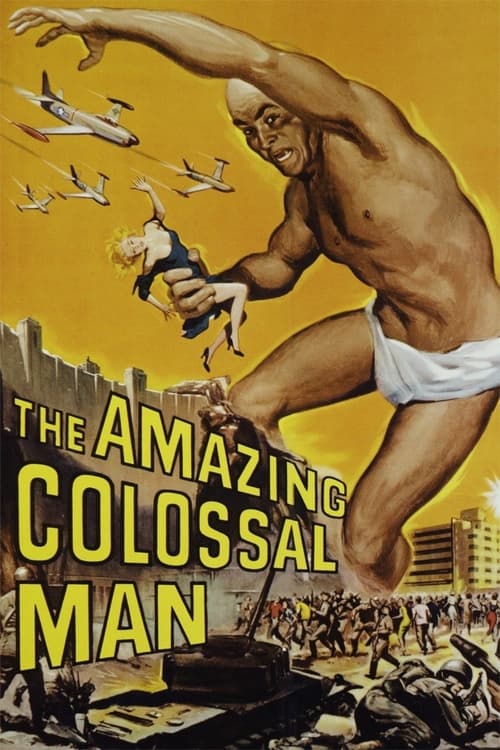
The Amazing Colossal Man
1957
No user ratings available yet
Diversity score: 2.3 out of 10
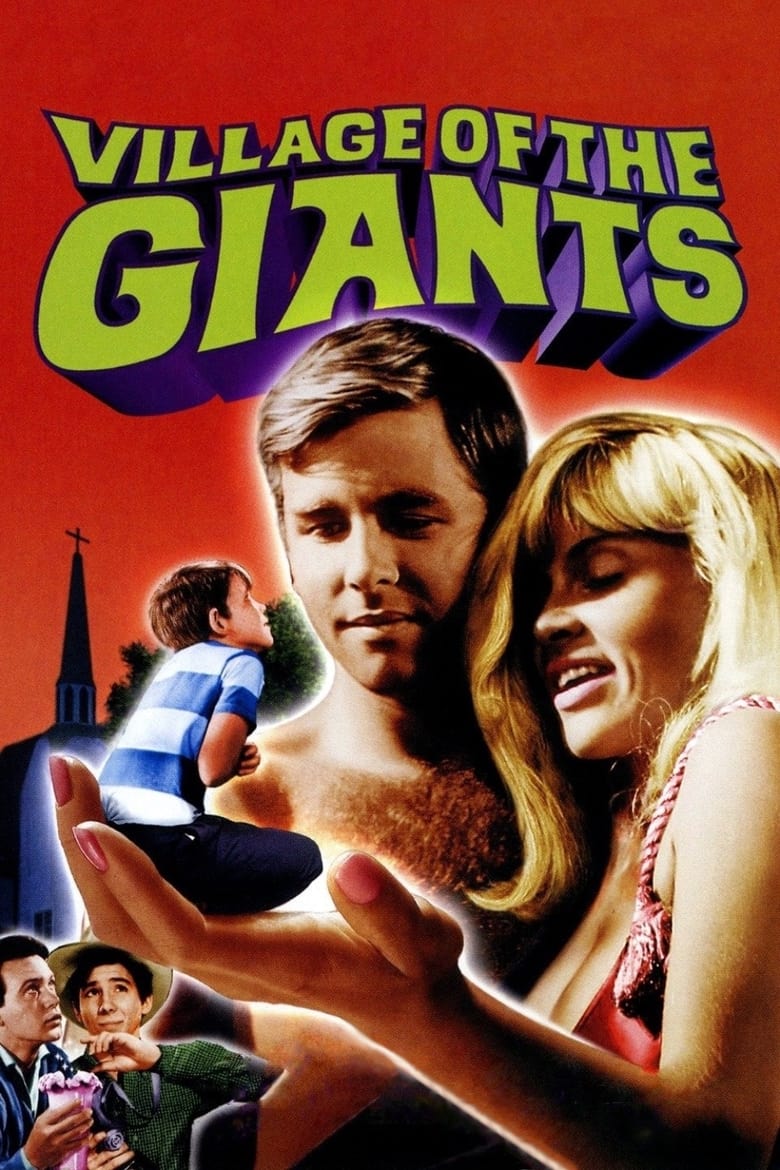
1965
Not RatedDirector
Bert I. Gordon
Runtime
81 minutes
Average Rating
No ratings yetSynopsis
"Genius" accidentally invents "goo" which causes living things to rapidly grow to an enormous size. Seeing an opportunity to get rich, some delinquent teenagers steal the "goo" and, as a result of a sophomoric dare, consume it themselves and become thirty feet tall. They then take over control of the town by kidnapping the sheriff's daughter and dancing suggestively.
Overall Score
Limited
Category Breakdown
LGBTQ+ Representation
The film contains no discernible representation of LGBTQ+ identities or non-cisnormative gender expressions. The narrative remains strictly within the heteronormative social parameters of the mid-1960s.
Gender Representation
Female characters primarily serve as plot catalysts, such as the sheriff's daughter, rather than driving the story with independent agency. The film adheres to traditional gender roles of the era.
Racial & Ethnic Diversity
The cast is predominantly homogeneous, reflecting the cinematic norms of the period. The narrative presents a localized, largely white social environment without engaging with racial or ethnic identity.
Religious & Cultural Diversity
The film explores the deconstruction of traditional institutions and the rejection of adult authority. It mirrors era-specific anxieties regarding the erosion of social stability and the rise of countercultural impulses.
Disability Representation
There are no visible or invisible disabilities portrayed. Characters are depicted through a lens of physical vitality and growth, with no engagement with neurodivergence or physical impairment.
Strengths
Areas for Improvement
AI Analysis
Village of the Giants is a mid-century genre piece that prioritizes spectacle and the trope of adolescent rebellion over nuanced identity politics. It functions as a study of social destabilization, where the sudden power of youth renders established hierarchies, like law enforcement, ineffective. While the film lacks modern intersectional complexity, its narrative architecture focuses on the friction between generational cohorts. It replaces the traditional small-town archetype with a chaotic landscape driven by the breakdown of institutional norms. Ultimately, the film is a product of its temporal context, offering a primitive framework for analyzing the disruption of social order rather than demographic inclusivity.
1957
1976
1958
1953
1957
1958
1958
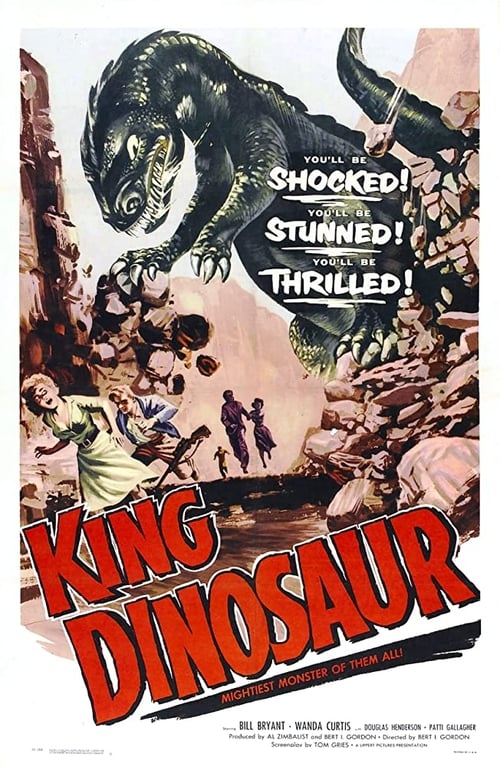
1955
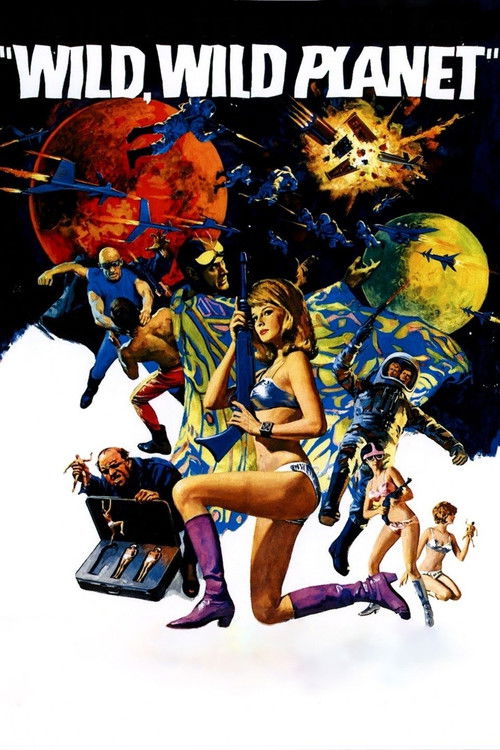
1966

1961
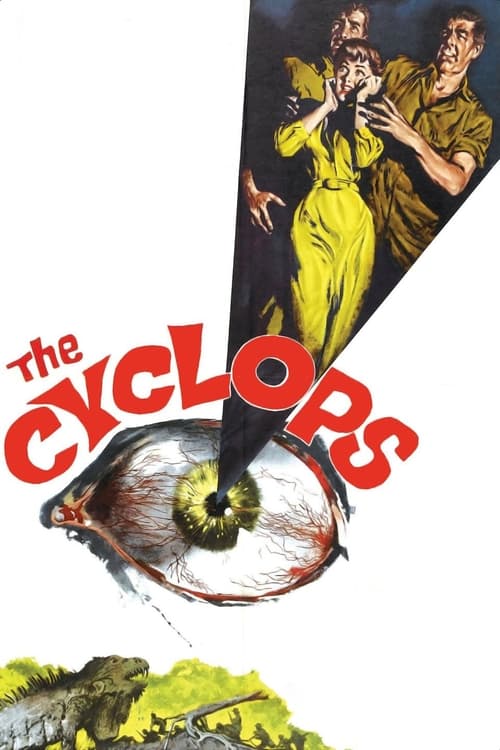
1957
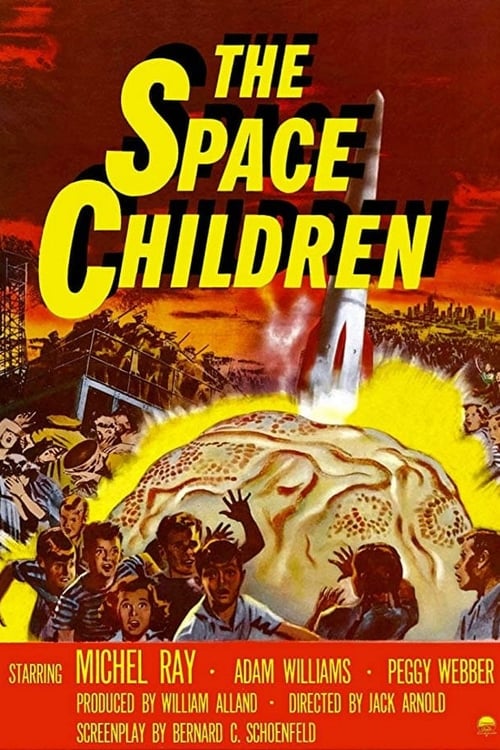
1958
No reviews yet. Be the first to share your thoughts on this movie!
Use the rating form above to leave a star rating and optional review.