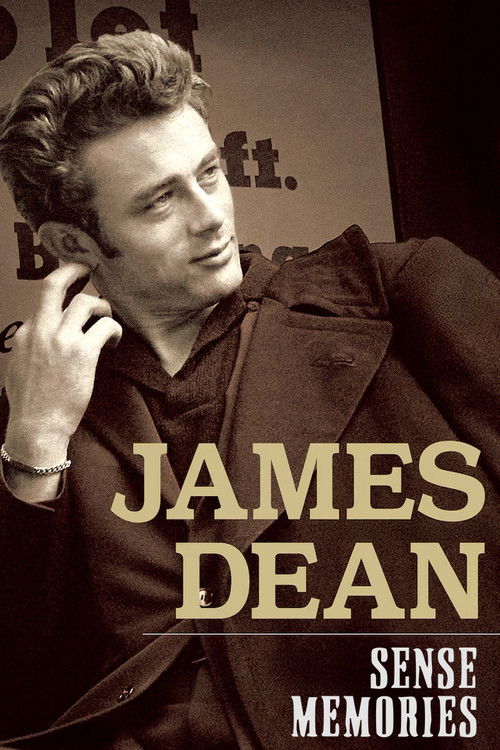
James Dean: Sense Memories
2005
No user ratings available yet
Representation score: 3.3 out of 10

Representation Score
Fair
2005
TV-PGDirector
Werner Köhne, André Schäfer
Runtime
52 minutes
Average Rating
No ratings yetNew Showbiz Analysis
This documentary offers a nuanced exploration of how James Dean challenged the rigid social and gender norms of 1950s America. By highlighting his androgynous qualities, the film engages intellectually with gender fluidity and the disruption of traditional masculine archetypes. However, the film’s scope is inherently narrow. As a biographical study centered on a singular Hollywood icon, it remains focused on a white-centric historical context. This limits its ability to represent a broader range of racial or ethnic identities. Ultimately, the work succeeds as a cultural critique of mid-century conformity but falls short in providing a diverse social portrait.
Category Breakdown
The film highlights Dean’s androgynous qualities and how his image challenged 1950s gender norms. It focuses on his non-traditional gender expression rather than explicit LGBTQ themes.
The documentary questions mid-century masculinity by presenting Dean as a timeless and fluid figure. This challenges traditional patriarchal roles and the strict gender hierarchy of the time.
The study focuses on the white-centric mythos of Hollywood stardom. It does not include evidence of racial diversity or diverse casting due to its specific historical context.
The narrative emphasizes the internal experience of the misunderstood rebel over the social structures of the 1950s. It views established social orders as something to be transcended.
The film does not provide any specific information about the depiction of neurodivergence, mental health issues, or physical disabilities.
Present on Screen
Limited or Absent
Official Synopsis
The collar of his coat turned up in New York: Images which have collaborated on building a myth – the image of eternal and misunderstood youth. Unlike Marlon Brando, the proletarian rebel with identifiable goals, James Dean was the timeless and androgynous youthful rebel. His death on the Interstate 46 leads us back to 1950s America, a time when youth was re-interpreted all anew.
2005

2001

2005

1975
1957

2007

2022
1986
No reviews yet. Be the first to share your thoughts on this movie!
Use the rating form above to leave a star rating and optional review.