
Along for the Ride
2016
No user ratings available yet
Representation score: 2.1 out of 10
Representation Score
Fair
1971
Not RatedDirector
Lawrence Schiller, L.M. Kit Carson
Runtime
90 minutes
Average Rating
No ratings yetNew Showbiz Analysis
This film serves as a detailed study of Dennis Hopper's creative journey during the making of *The Last Movie*. It captures a pivotal moment of cultural change, focusing on the unique identity of a filmmaker working outside the mainstream industry. Though the documentary lacks broad demographic diversity, it offers significant insight through its thematic exploration of traditional industry authority. It highlights the tension between personal eccentricity and the rigid, profit-driven Hollywood studio system. Ultimately, the film presents a disruptor. It aligns with the 1970s cinematic movement by challenging established Western institutional narratives and social norms.
Category Breakdown
The film captures the changing attitudes towards alternative lifestyles in the 1970s counterculture. However, it doesn't explicitly depict or document any character arcs related to LGBTQ+ identities.
The story focuses on a male-dominated world of film production. It examines the dynamics of masculinity in filmmaking rather than critiquing gender hierarchies.
The film reflects the predominantly white cast and crew typical of 1971 Hollywood. There is no indication of diverse casting or intentional racial blending within the production environment.
The documentary excels at showing the anti-establishment sentiments of the time. It portrays the disruption of traditional Hollywood structures as a chaotic yet creative endeavor.
There is insufficient information to assess the portrayal of physical or neurodivergent disabilities.
Present on Screen
Limited or Absent
Official Synopsis
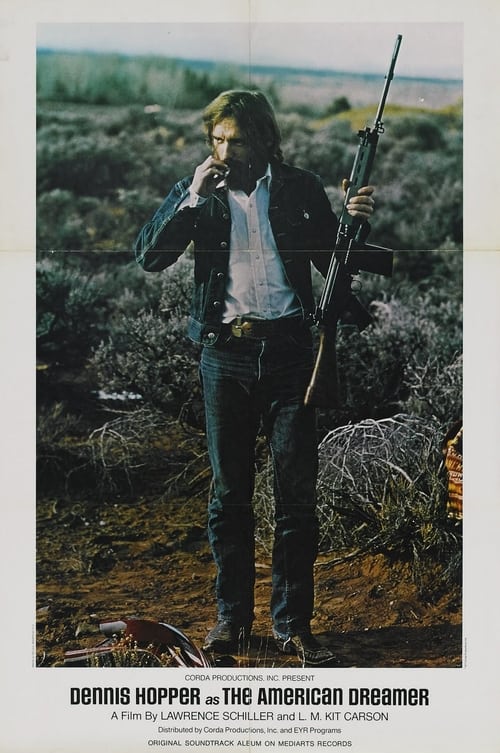
A documentary about actor/director Dennis Hopper, showing him at his home and studio putting together his film "The Last Movie."
2016

1964
1975

1965
1970

1978

2005
1990
No reviews yet. Be the first to share your thoughts on this movie!
Use the rating form above to leave a star rating and optional review.