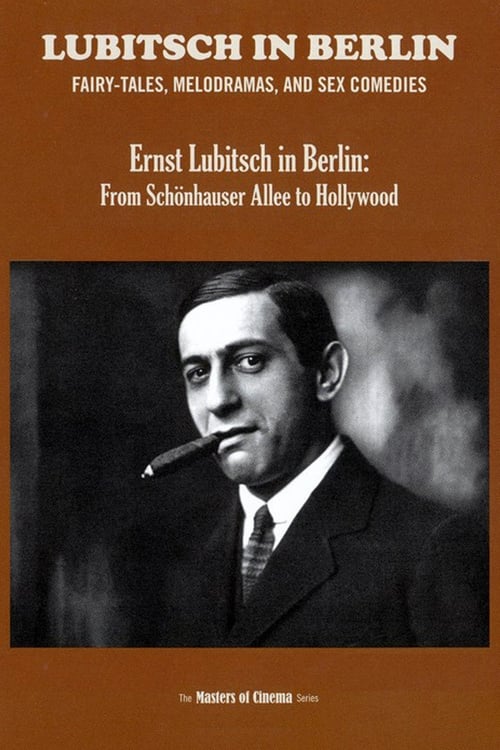
Ernst Lubitsch in Berlin: From Schönhauser Allee to Hollywood
2006
No user ratings available yet
Diversity score: 3.7 out of 10
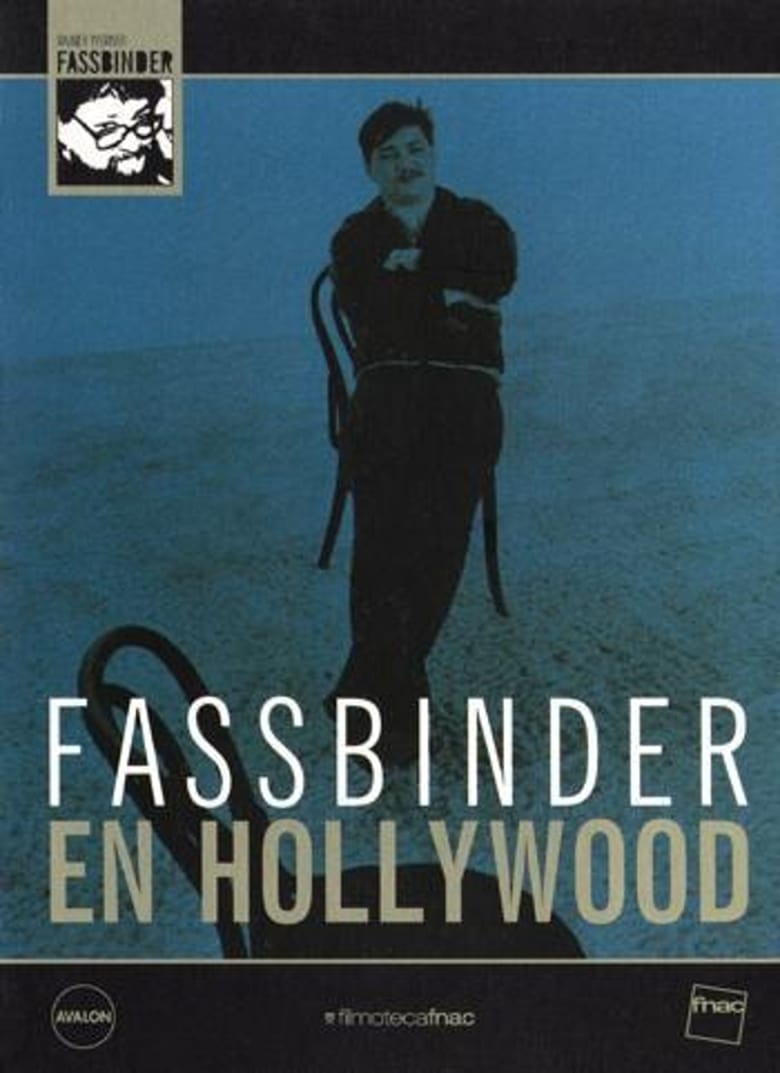
2002
Director
Robert Fischer
Runtime
57 minutes
Average Rating
No ratings yetSynopsis
Though he never actually worked in Hollywood, Rainer Werner Fassbinder, who died in 1982 at the age of 36, was influenced greatly by Amercian studio films of the 1950s and the convention of melodrama (the link most often mentioned is Douglas Sirk).
Overall Score
Good
Category Breakdown
LGBTQ+ Representation
The documentary centers on Fassbinder, a figure central to queer cinema history. It explores his use of non-normative relationships and queer aesthetics to critique social structures.
Gender Representation
The film examines Fassbinder’s deconstruction of traditional gender roles. It highlights how he used melodrama to expose the constraints placed upon female characters within domestic hierarchies.
Racial & Ethnic Diversity
The scope is limited by the historical focus on a European director. It may, however, address how Fassbinder critiqued racialized archetypes found in 1950s Hollywood cinema.
Religious & Cultural Diversity
The film engages with themes of moral relativism and the critique of traditional institutions. It examines the subversion of the American Dream and systemic oppression.
Disability Representation
There is no information available regarding the presence of disability representation in this documentary.
Strengths
Areas for Improvement
AI Analysis
This documentary functions as a scholarly examination of how a radical European auteur recontextualized the visual language of the Hollywood studio system. It prioritizes intellectual analysis of cinematic philosophy over lived-experience narrative representation. The film succeeds in preserving the legacy of queer cinematic history and exploring the disruption of conventional social hierarchies. It provides a sophisticated look at how cinematic language challenges traditional norms. However, the documentary's focus on a specific European filmmaker and his relationship with mid-century American tropes inherently limits its racial and ethnic diversity. The subject matter dictates a narrow historical scope.
2006

2015
1967
2006

2001
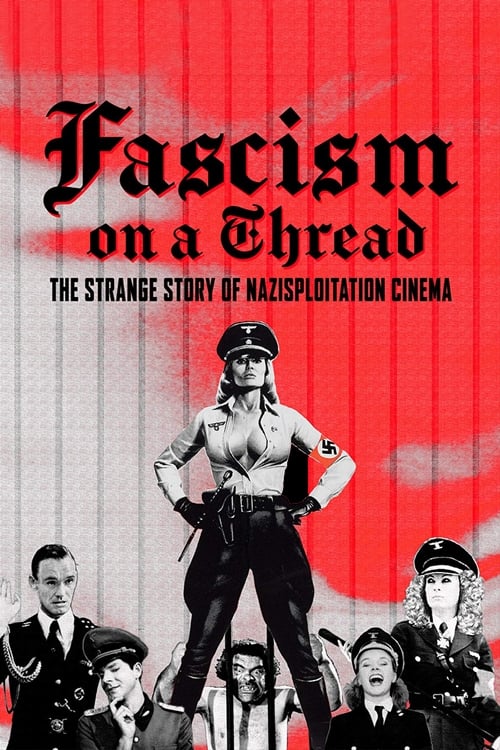
2019

1995
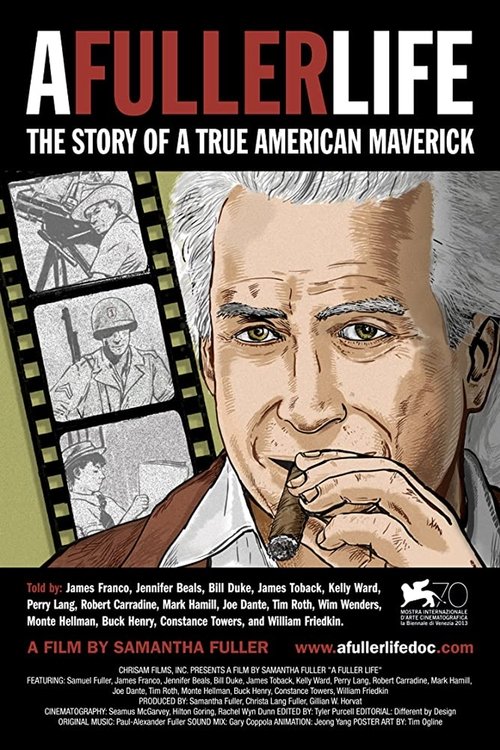
2013
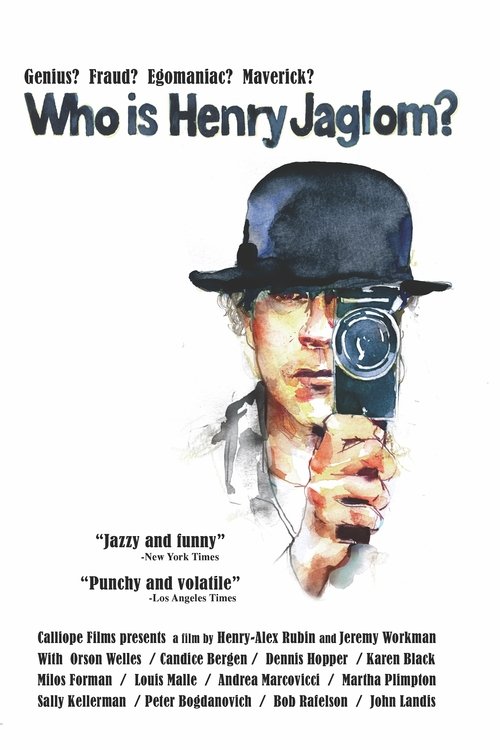
1997
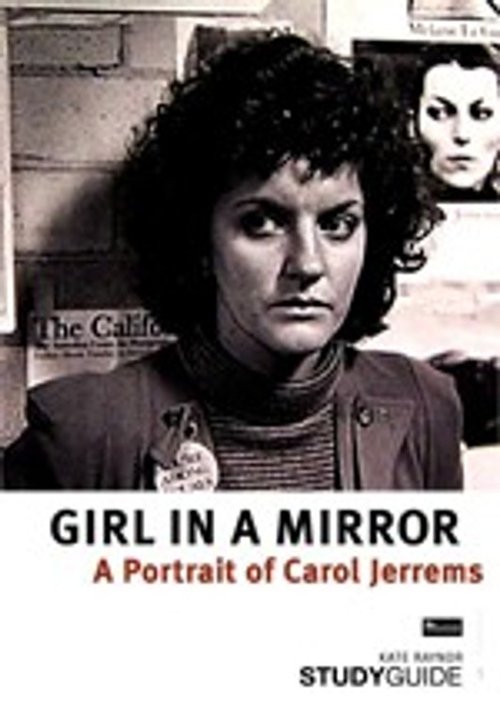
2005
2019

1986
No reviews yet. Be the first to share your thoughts on this movie!
Use the rating form above to leave a star rating and optional review.