Inherit the Wind
1988
No user ratings available yet
Representation score: 1.8 out of 10
Representation Score
Fair
1976
Director
Brian Gibson
Runtime
77 minutes
Average Rating
No ratings yetNew Showbiz Analysis
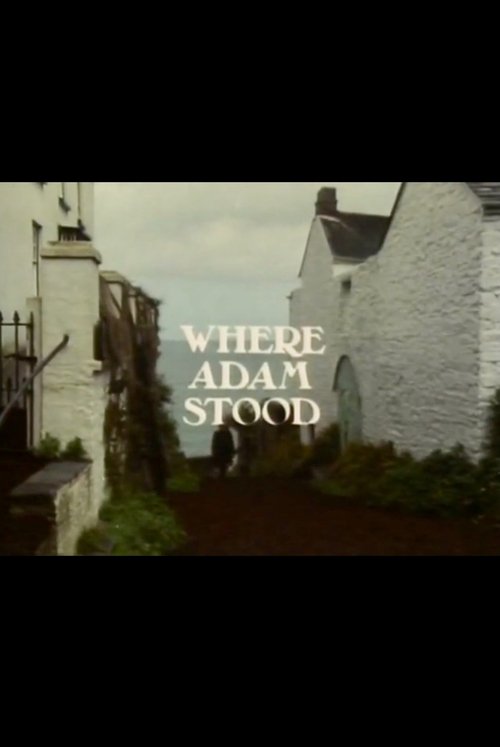
Where Adam Stood is a traditional period drama with a narrow demographic focus. While the cast and setting reflect a homogeneous historical context, the narrative itself challenges the institutions that shaped that era. The film's strength lies in its intellectual critique. It uses the tension between Darwinism and religious literalism to question traditional moral authority and patriarchal dominance. However, this focus on theological and masculine conflict limits the representation of women, LGBTQ+ individuals, and diverse racial groups. Ultimately, the work prioritizes thematic depth over demographic diversity, presenting a progressive critique in a visually conservative package.
Category Breakdown
The film does not include explicit representations of LGBTQ+ identities or relationships that challenge the assumption that everyone is straight. The story focuses on the theological and patriarchal conflict between father and son.
The story revolves around a strict patriarchal structure led by Philip Gosse. While it highlights the destructive nature of extreme masculinity, female characters have minimal influence on the main storyline.
Set in early 20th-century England, the film features a predominantly white cast reflecting a homogeneous Anglo-Saxon demographic. There is no indication of racial diversity or blended cultural backgrounds.
The film provides a critical examination of religious fundamentalism and institutionalized faith. It advocates for secular and humanist viewpoints by depicting dogmatic beliefs as oppressive and dangerous.
Edmund's illness serves as a key element in the central conflict. The film avoids clichés by using his vulnerability to highlight the cruelty of his father's ideology.
Present on Screen
Limited or Absent
Official Synopsis
Based on the 1907 autobiography "Father and Son" by Christian fundamentalist and naturalist Edmund Gosse, but Dennis Potter adapted only one section of the book, adding much material of his own invention. With a literal belief in the Old Testament, Philip Gosse is opposed to the new theories of Charles Darwin, espoused here by biologist Brackley. Assuming "the Lord's will" determines the fate of his ailing son Edmund, Philip Gosse creates a life-threatening situation, even suggesting the illness is God's punishment because of Edmund's desire for a toy ship.
1988
1989
1999
1960

1990
2009
1988
1955
No reviews yet. Be the first to share your thoughts on this movie!
Use the rating form above to leave a star rating and optional review.