
The Picture of Dorian Gray
1973
No user ratings available yet
Representation score: 2.0 out of 10

Representation Score
Fair
1973
Director
Clive Barker
Runtime
18 minutes
Average Rating
No ratings yetNew Showbiz Analysis
Clive Barker’s early short film uses Oscar Wilde’s text to explore transgressive themes and the breaking of social taboos. The film challenges traditional gender hierarchies and religious dogma through its focus on individual ability to act and decadent aesthetics. However, it remains limited by the demographic standards of its time, with casting reflecting a homogeneous, Anglo-Saxon majority and restricted identity-based representation due to the silent format. Ultimately, the film focuses on psychological truth and obsessive desire, prioritizing the disruption of conventional social structures over a diverse or inclusive cast.
Category Breakdown
The film explores themes of intense, non-traditional desire through a Wildean subtext. Although the silent format doesn't allow for explicit identity depiction, the stylized passion challenges assumptions about straight relationships.
The film centers on a female protagonist who play a significant role in driving the story, disrupting traditional gender hierarchies. Her obsessive desires shape the tragic fate of male characters, subverting expectations of feminine passivity.
The film follows the traditional casting norms of 1973, with no indication of race-bent casting or a non-Anglo-Saxon majority cast.
The work critiques singular moralities by favoring a subjective view of human impulses. It highlights decadence and aestheticized human nature over established religious or institutional authority.
There is no evident portrayal of physical or neurodivergent disabilities in this production.
Present on Screen
Limited or Absent
Official Synopsis
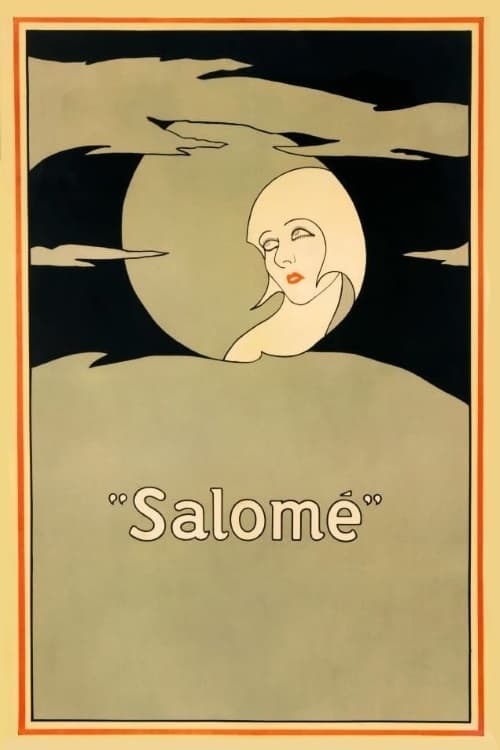
A stylised interpretation of Oscar Wilde's play "Salome".
1973

1969
1981
1960
1923
1978

1993

1966
No reviews yet. Be the first to share your thoughts on this movie!
Use the rating form above to leave a star rating and optional review.