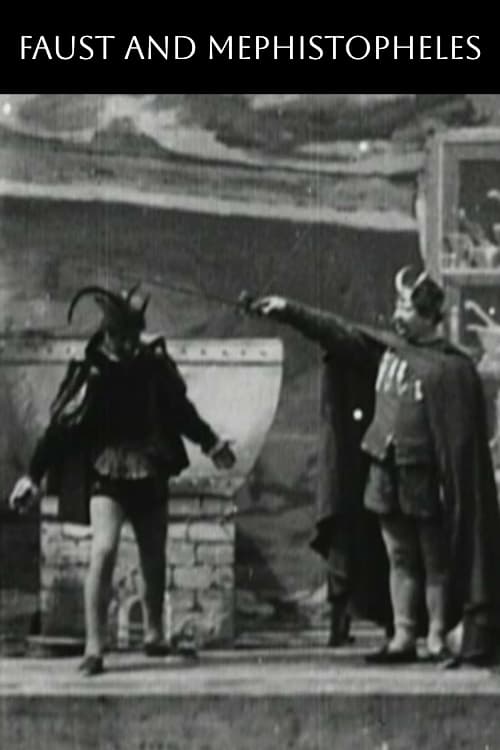
Faust and Mephistopheles
1903
No user ratings available yet
Representation score: 0.5 out of 10
Representation Score
Limited
1978
UnratedDirector
Clive Barker
Runtime
36 minutes
Average Rating
No ratings yetNew Showbiz Analysis
The film's main theme is about breaking rules rather than showcasing diverse demographics. It questions established social and religious structures. Though it doesn't have clear representation, it shows an interest in exploring different perspectives. The story uses the Faustian myth to center on male intellectual pursuits, limiting the visibility of diverse gendered and non-straight-centered identities. This traditional framework highlights masculine power and individual choice over institutional norms. Ultimately, the film's importance lies in its early exploration of moral relativism, focusing on disrupting cosmic and institutional orders rather than promoting explicit social inclusion.
Category Breakdown
The film doesn't explicitly show LGBTQ+ identities, but it explores forbidden knowledge as a metaphor for queer experiences through subtle hints.
The story focuses on male characters seeking power, with little shown about female characters taking charge or challenging traditional gender roles.
There isn't enough information to assess the racial makeup of the film's cast. No non-Anglo-Saxon characters are mentioned.
The film looks at secularism and personal freedom by using the Faustian legend, rejecting divine authority in favor of individual choice.
The film doesn't provide any specific details about characters with disabilities, either physical or cognitive differences.
Present on Screen
Limited or Absent
Official Synopsis
An early experimental short film based on Faust.
1903
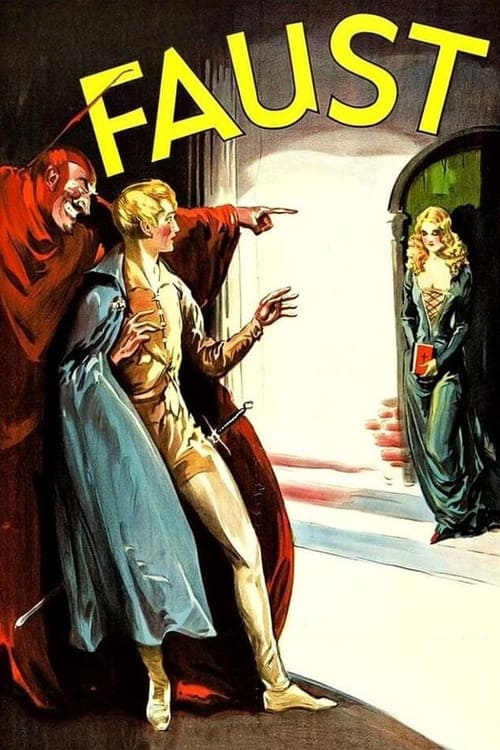
1926
1897
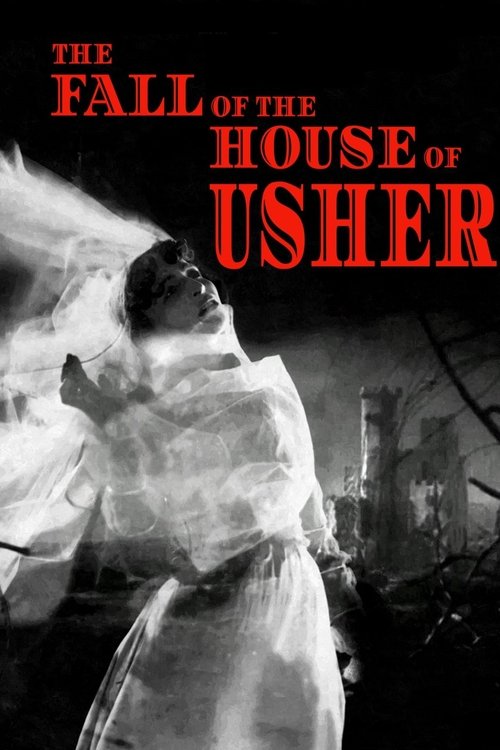
1928

1973
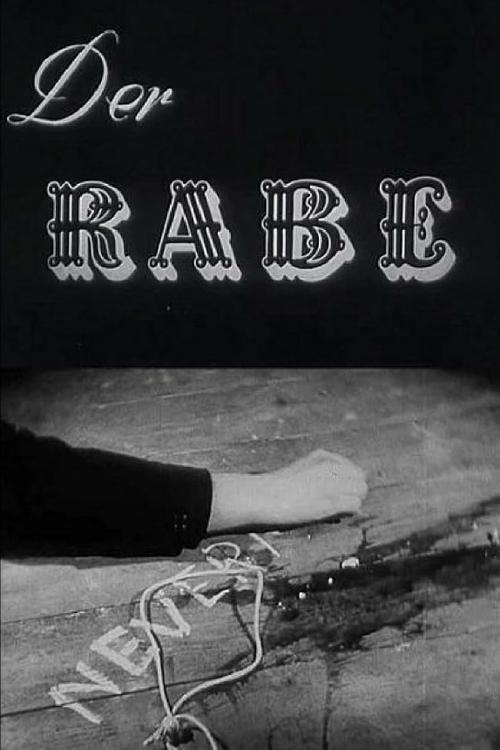
1951
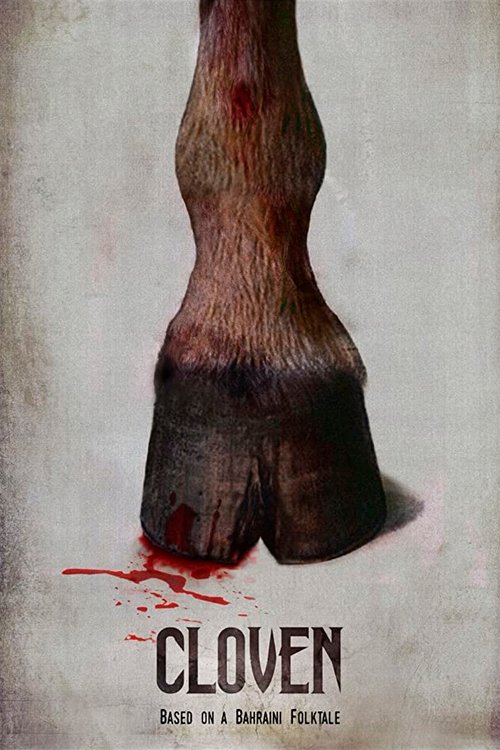
2018
1942
No reviews yet. Be the first to share your thoughts on this movie!
Use the rating form above to leave a star rating and optional review.