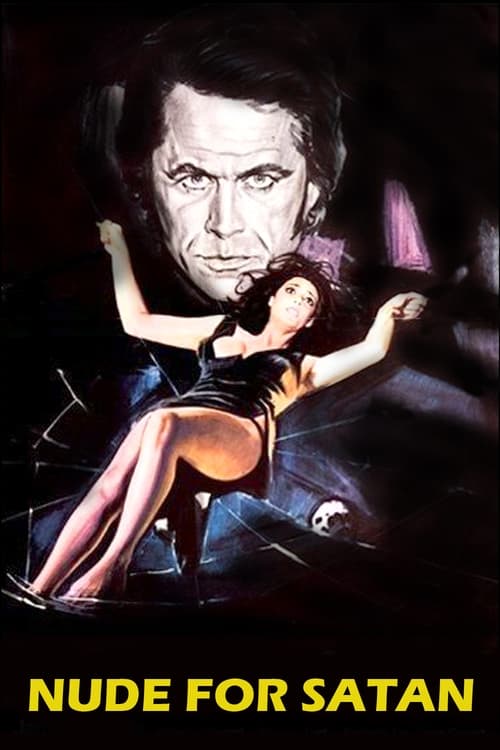
Nude for Satan
1974
No user ratings available yet
Representation score: 3.9 out of 10

Representation Score
Limited
1966
RDirector
Damiano Damiani
Runtime
109 minutes
Average Rating
No ratings yetNew Showbiz Analysis
The Witch operates as a sophisticated political allegory rather than a diverse character study. While it fails to represent LGBTQ+ identities, disabilities, or racial diversity, it excels in its intellectual critique of institutional power. The film's strength lies in its challenge to patriarchal hierarchies and its focus on the female experience struggling against oppressive structures. It provides a progressive commentary on individual empowerment versus systemic control. Ultimately, the film's diversity is found in its thematic depth rather than its demographic breadth, emphasizing skepticism and individual freedom over traditional social representation.
Category Breakdown
The film does not include any LGBTQ+ characters or narratives. Its 17th-century setting upholds strict moral codes that exclude discussions of non-straight relationships.
The story focuses on the experiences of women within a restrictive patriarchal system. It highlights the vulnerability of women under male-dominated legal and religious institutions.
The cast is primarily white and uniform, reflecting the historical Puritan era. There is no indication of diverse casting or actors playing roles outside their traditional backgrounds.
The film critically examines organized religion and state power. It portrays religious authorities as manipulative forces that control people through fear.
The film does not feature any characters with visible or invisible disabilities. The narrative focuses on political and religious tensions instead.
Present on Screen
Limited or Absent
Official Synopsis
A historian goes to a castle library to translate some ancient erotic literature. While there he discovers what he believes to be supernatural forces at work.
1974
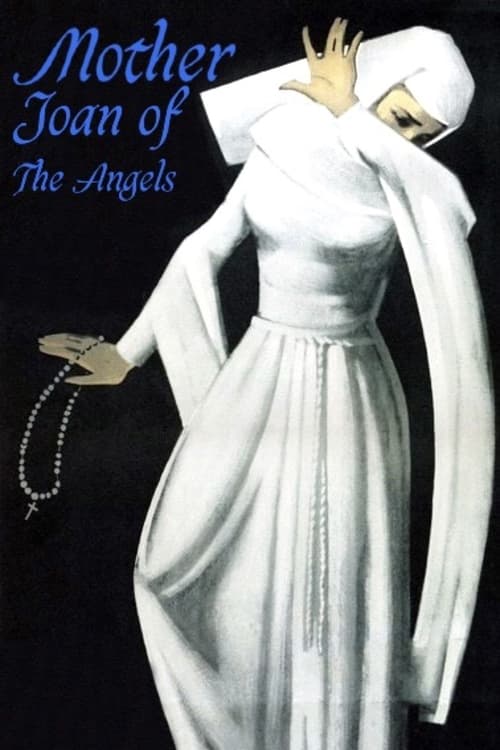
1961
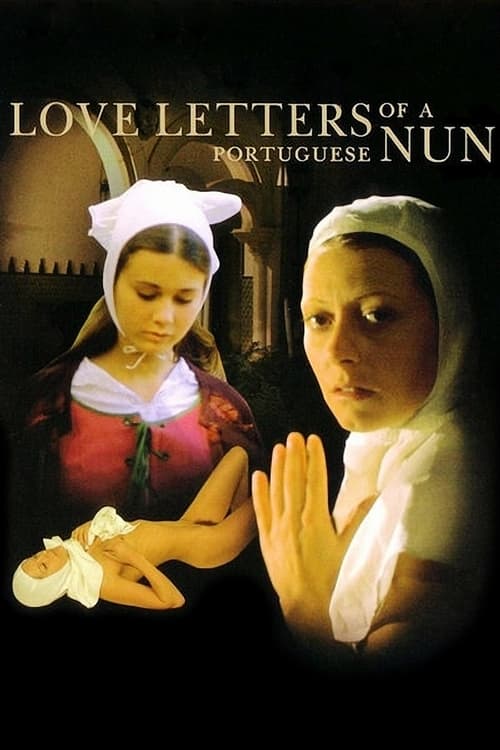
1977
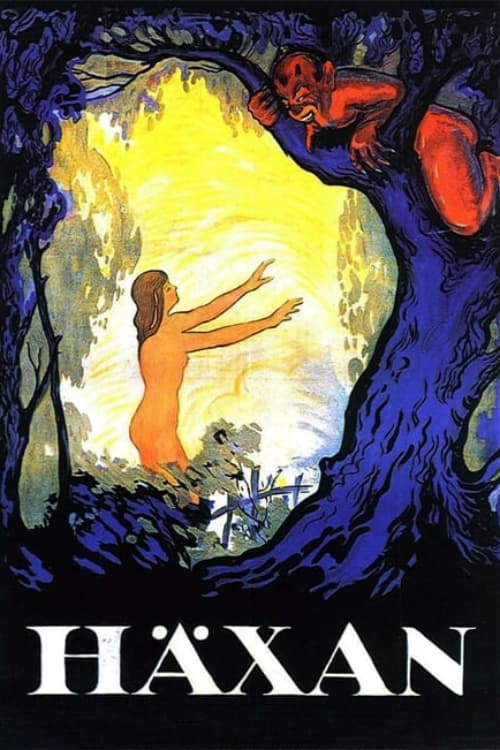
1922
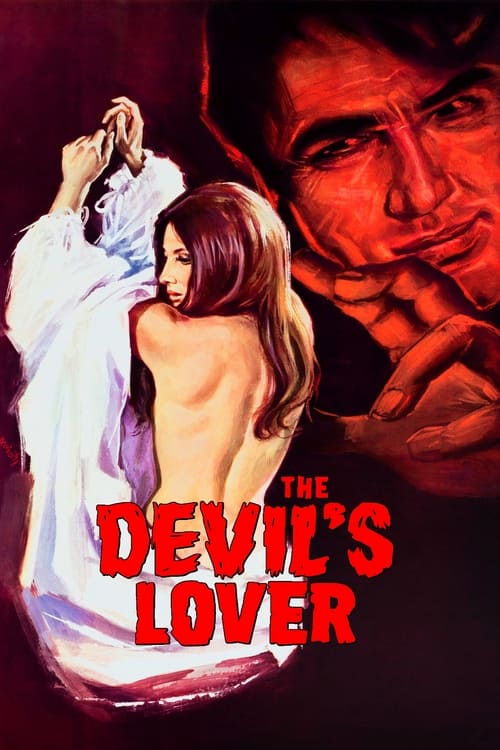
1972
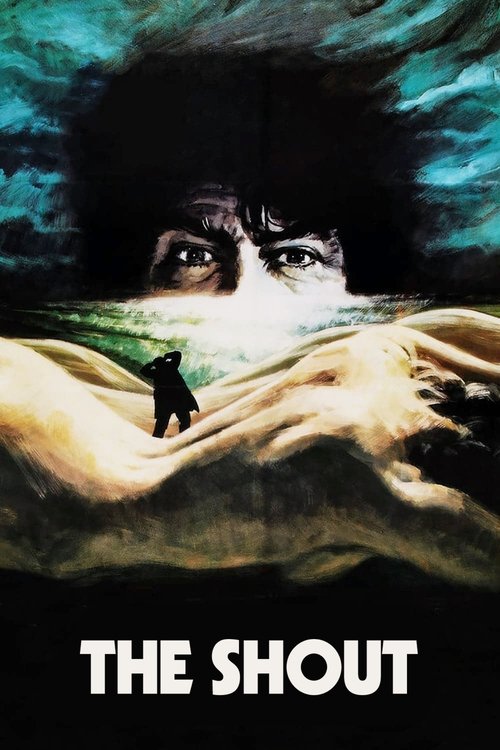
1978
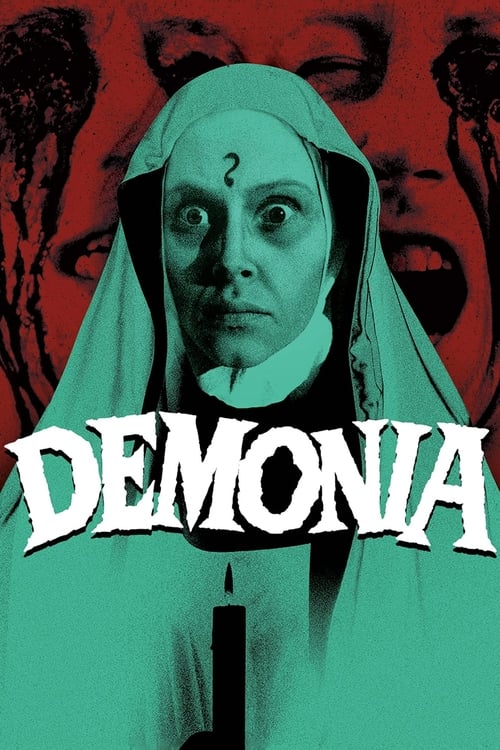
1990
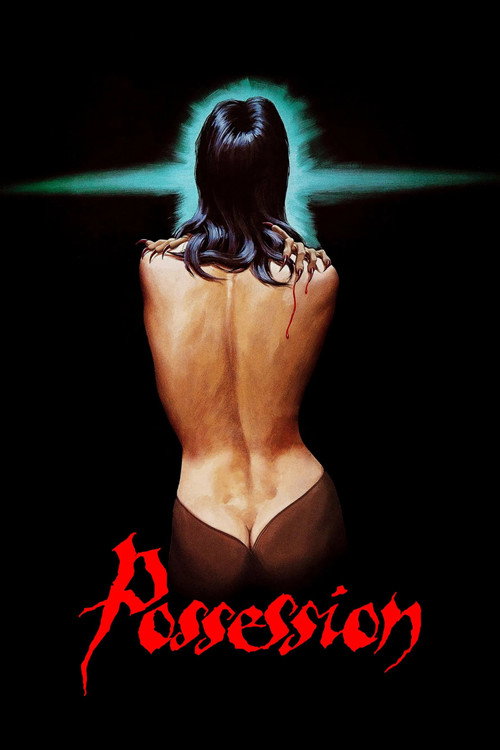
1981
No reviews yet. Be the first to share your thoughts on this movie!
Use the rating form above to leave a star rating and optional review.