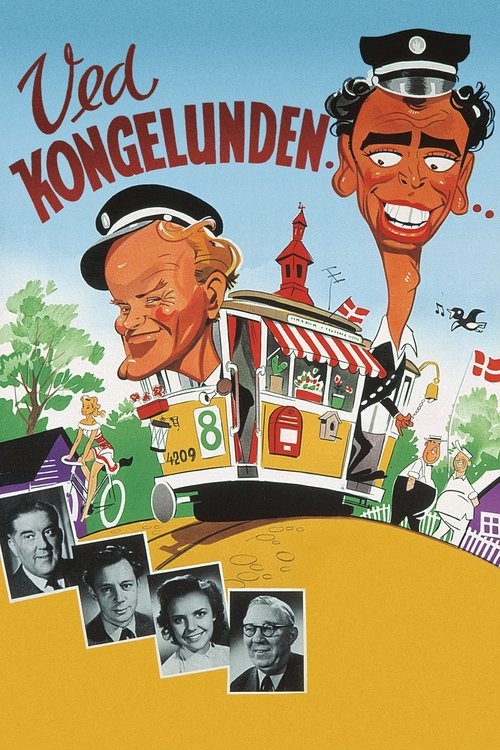
Ved Kongelunden...
1953
No user ratings available yet
Representation score: 1.6 out of 10
Representation Score
Minimal
1973
Director
Ib Mossin
Runtime
0 minutes
Average Rating
No ratings yetNew Showbiz Analysis
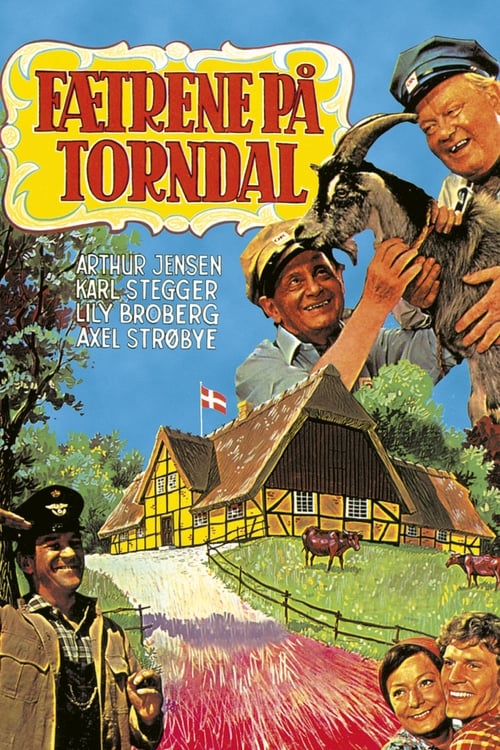
Fætrene på Torndal is a traditional period comedy that emphasizes localized storytelling over diverse representation. While it avoids passivity, it remains grounded in the era's mainstream cinematic norms. The film's primary strength lies in its portrayal of a proactive female protagonist who uncovers corruption and confronts the antagonist. This disrupts typical submissive gender roles found in period dramas. However, the film lacks diversity. The setting and cast appear highly homogeneous, and the narrative relies on conventional romantic resolutions rather than systemic social critiques.
Category Breakdown
The film does not include any LGBTQ+ characters or non-straight relationships. The main storyline focuses on a traditional romance between the owner's daughter and a neighboring farmer.
The female protagonist drives the plot by identifying corruption and taking action against the antagonist. She plays a central role in seeking justice, but the story ends with a conventional romantic resolution.
Set in a rural Danish farming community, the film depicts a homogeneous population. There is no evidence of racial or ethnic diversity among the characters or the setting.
The film explores local power struggles and greed through themes of land ownership. It adheres to a traditional moral framework without challenging Western cultural norms.
The film does not feature any characters with physical, sensory, or neurodivergent disabilities. There is no representation in this category.
Present on Screen
Limited or Absent
Official Synopsis
Werner (William Rosenberg) is an inspector for group of farmes called Digeskov. Left alone by Digeskovs owner, Werner is tricking small neighboring farmes out of there land. The owners doughter find out and stops Werner and she falls in love with a young poor farmer from a neighbor farm.
1953
1967

1994
1958
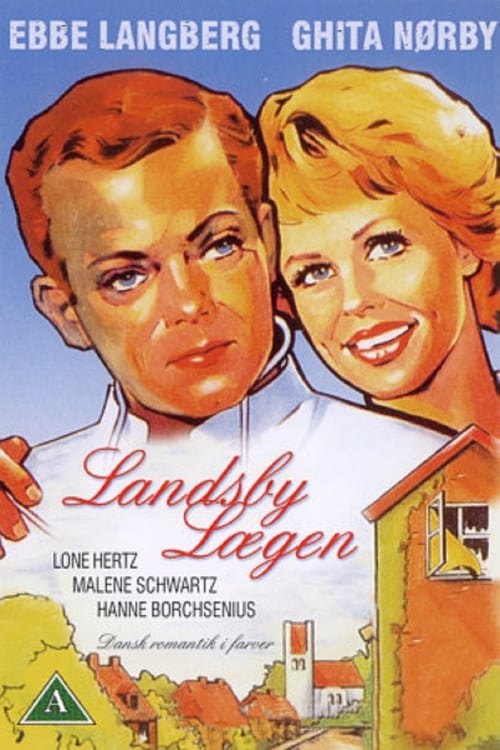
1961
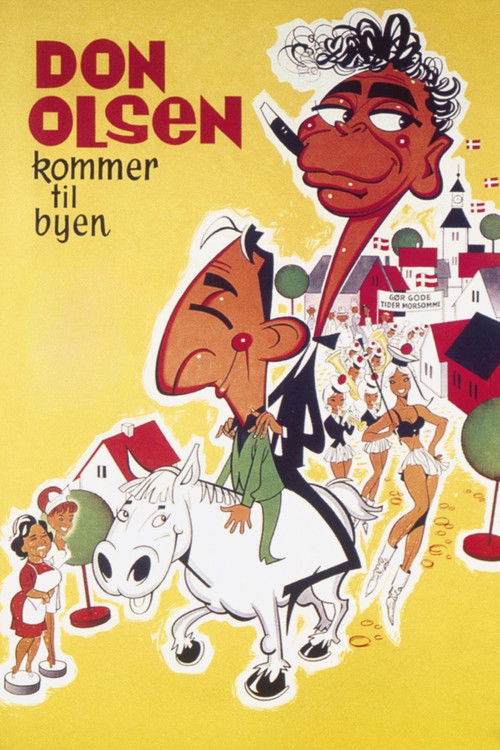
1964
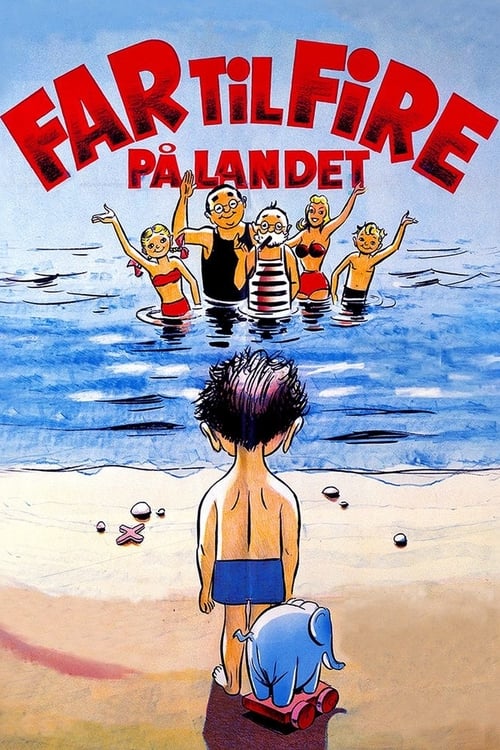
1955
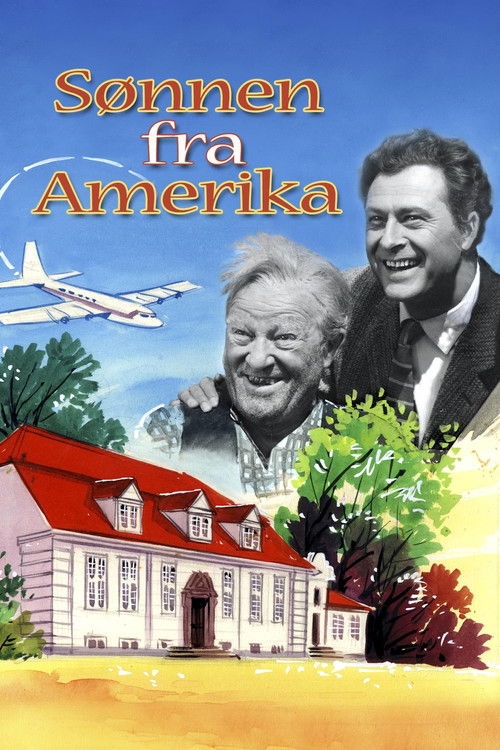
1957
No reviews yet. Be the first to share your thoughts on this movie!
Use the rating form above to leave a star rating and optional review.