Take It Easy
1974
No user ratings available yet
Representation score: 1.2 out of 10
Representation Score
Minimal
1967
Director
Alice O'Fredericks, Ib Mossin
Runtime
100 minutes
Average Rating
No ratings yetNew Showbiz Analysis
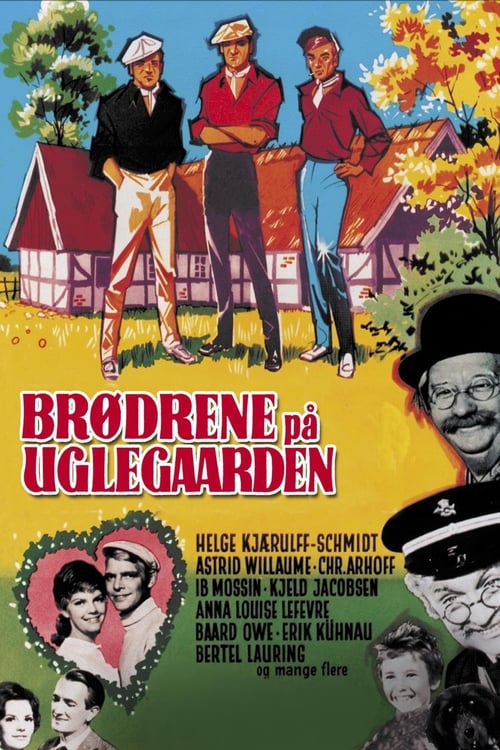
Brødrene på Uglegaarden is a traditional period comedy that reinforces the social status quo of 1967 Denmark. The story relies on established archetypes and localized, homogeneous storytelling that lacks intentional diversity. The narrative centers on land disputes and inheritance, following standard community-based dynamics. While a matriarchal figure exists, the power dynamics remain rooted in traditional patriarchal ambitions. Ultimately, the film functions as a reflection of its era, prioritizing communal stability and conventional social structures over any disruption of systemic norms.
Category Breakdown
The film does not include any characters with LGBTQ+ identities or non-cisgender gender expressions.
The plot is driven by male ambitions, while the widow Dora holds estate ownership. The character Sara faces coarse advances from the brothers and is depicted through reductive gender stereotypes.
The story is set in a rural parish on Funen and the cast appears ethnically homogeneous, reflecting the era's lack of diverse casting.
The themes focus on land ownership and agrarian values. The narrative operates within established socioeconomic hierarchies without critiquing institutional or social norms.
There are no characters with visible or invisible disabilities within the narrative.
Present on Screen
Limited or Absent
Official Synopsis
Somewhere on the island of Funen, where the hedgerows surround the meandering fields, lies Uglegaarden. It is the largest and richest farm in the parish, and is owned by the widow Dora and her three brooding stepsons Karl, Viggo and Thomas. Their regular haunt is the village inn, where the crone Sara has to put up with their coarse-grained advances. The three brothers have big plans for the small neighboring farm Mosegaarden. They have discovered that under Mosegaarden's lean fields and high slopes there are large quantities of raw gravel. Chr. Thorup, who owns the site, has mortgaged the farm far above the chimneys. Now the Uglegaards brothers are just waiting for the right time to take over Mosegaarden. But when Thorup's son, Henrik, unexpectedly shows up at Mosegaarden, the three brothers' sinister plans are thrown into disarray.
1974
1967
1973

1995
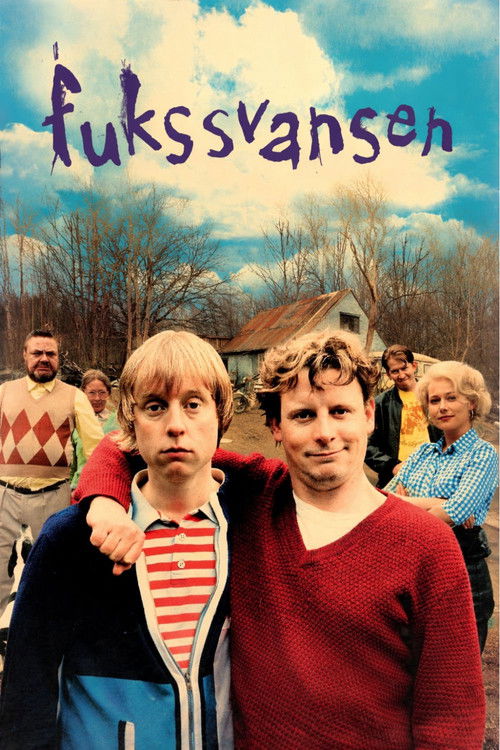
2001
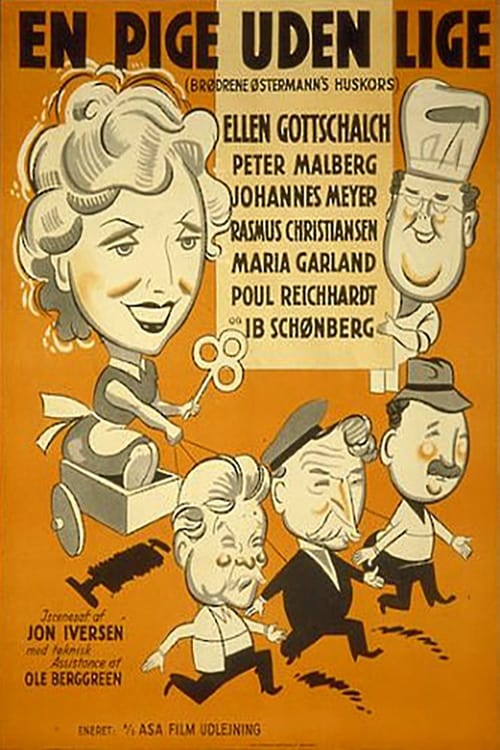
1943
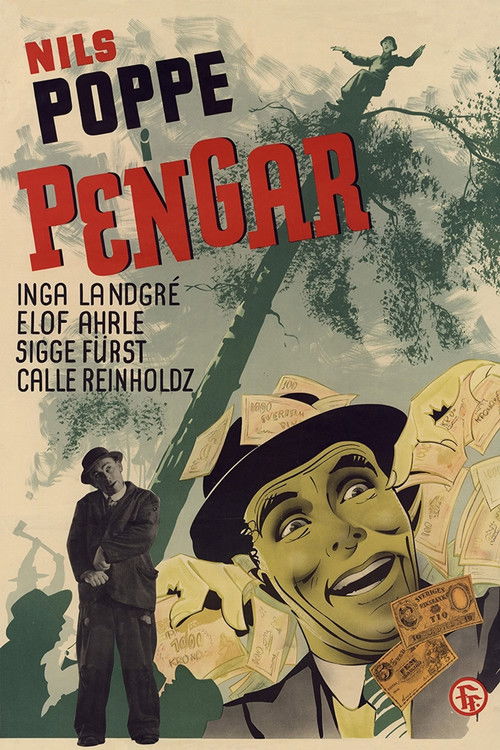
1946
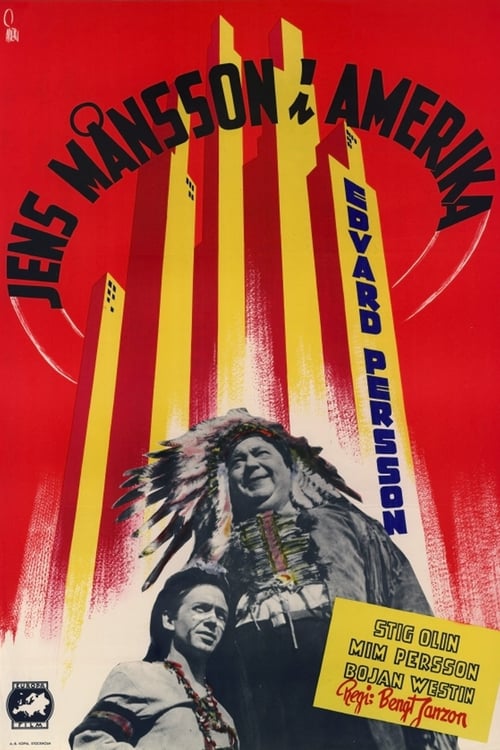
1947
No reviews yet. Be the first to share your thoughts on this movie!
Use the rating form above to leave a star rating and optional review.