The Broken Earth
1936
No user ratings available yet
Representation score: 0.6 out of 10
Representation Score
Limited
1936
ApprovedDirector
Otto Brower, Gregory Ratoff
Runtime
86 minutes
Average Rating
No ratings yetNew Showbiz Analysis
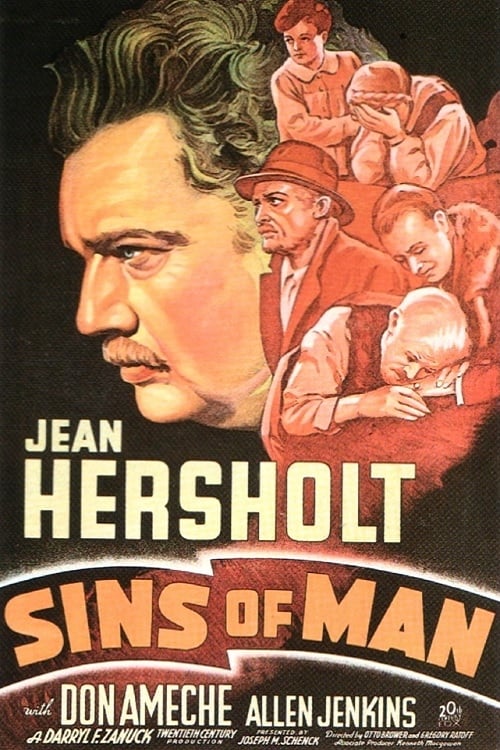
Sins of Man is a period drama that adheres to the conventional social structures of 1936. The narrative is heavily centered on a patriarchal Austrian family, prioritizing traditional lineage and religious themes over social disruption. The film's primary engagement with diversity comes through its depiction of disability. While the deaf-mute character provides a central narrative arc exploring human resilience, the resolution relies on a miraculous recovery rather than ability to act. Overall, the production reflects the era's standard focus on homogeneous European experiences, offering little representation for underrepresented identities or non-traditional social hierarchies.
Category Breakdown
The film does not include any LGBTQ+ characters or narratives that challenge the assumption that everyone is straight or cisgender. Instead, it emphasizes traditional masculine roles and familial bonds.
The story revolves around a patriarchal lineage involving a father and his two sons. Female roles are not explicitly detailed, reinforcing a male-centric hierarchy.
Set in Austria, the film centers on a homogeneous European family. There is no evidence of a multi-ethnic cast or diverse racial representation.
The narrative explores religious themes through a church bell ringer and the trauma of World War I. It leans towards traditional morality and familial legacy.
A deaf-mute character's journey is central to the plot. While his disability drives the arc, his recovery relies on a miraculous external event during wartime.
Present on Screen
Limited or Absent
Official Synopsis
Austrian church bell ringer Freyman loves music and wants his two sons (both played by Ameche) to love it too. The first goes to America and the second is born deaf-mute but gains hearing during WWI bombing.
1936

1942

1932
1927

1934

1939

1946

1948
No reviews yet. Be the first to share your thoughts on this movie!
Use the rating form above to leave a star rating and optional review.