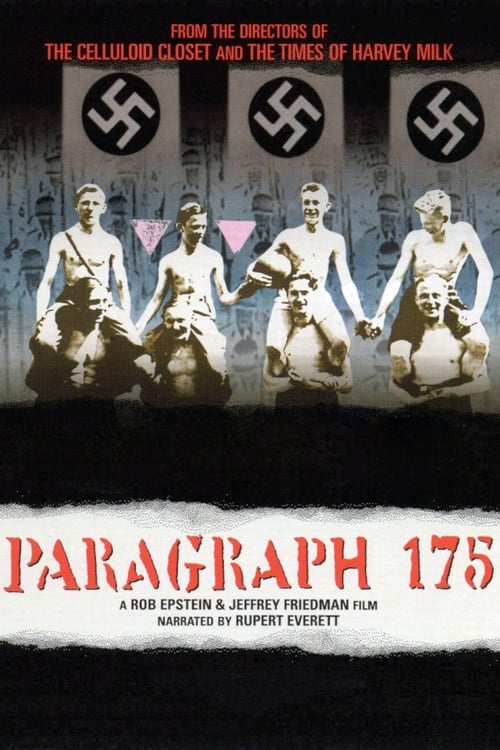
Paragraph 175
2000
No user ratings available yet
Representation score: 8.0 out of 10
Representation Score
Fair
1997
Not RatedDirector
Mark Rappaport
Runtime
100 minutes
Average Rating
No ratings yetNew Showbiz Analysis
Mark Rappaport’s documentary serves as a piece of revisionist film scholarship that reinterprets cinematic history. By shifting the focus from plot to the symbols and imagery of identity, the film reframes the perceived innocence of classical Hollywood as a complex, coded landscape. The film's primary strength is its ability to validate silenced historical figures by uncovering hidden subtextual meanings. It successfully lifts the veils of historical imagery to reveal identities that were once silenced by broader societal constraints. However, the scope appears limited by its focus on the Hollywood studio era. This focus leaves questions regarding racial diversity and the depth of its critique regarding gender hierarchies and women's control over the story.
Category Breakdown
The documentary explores hidden queer themes in historical cinema, revealing overtones that were previously concealed due to censorship and assumptions that everyone is straight or cisgender. It uncovers identities that were once silenced by broader societal constraints.
The film examines the hidden meanings behind performative masculinity and femininity, challenging the idea that everyone fits neatly into binary gender roles. However, it does not provide a sustained critique of gender hierarchies or give women significant control over the story.
The analysis focuses on the historically homogeneous racial makeup of Hollywood during the studio era. It is unclear if the film addresses racialized subtext or remains focused solely on white actors and stories.
The work uses a postmodern approach to history, prioritizing individual perspectives over the moralistic narratives of past studios. It critiques the historical status quo and institutional storytelling methods.
Disability, neurodivergence, and physical impairment are not central themes or subjects of this documentary's analysis.
Present on Screen
Limited or Absent
Official Synopsis
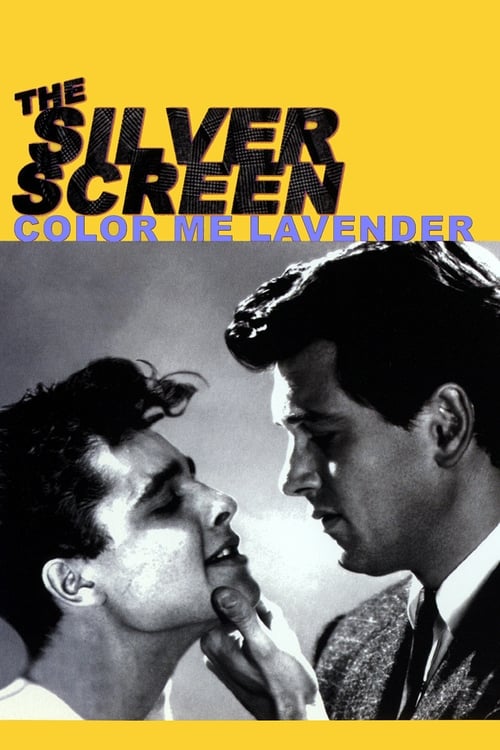
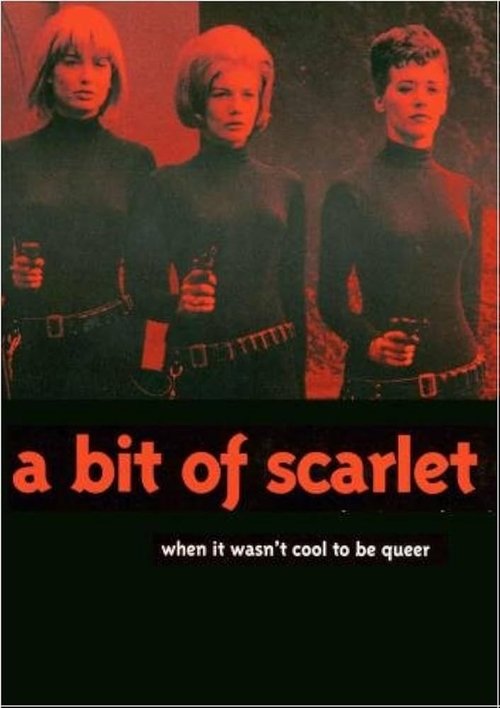
A film scrapbook, images, phrases from our past, hiding their meanings behind veils. Let's lift those veils, one by one, to find how images, at one time seeming innocent, have revealed, after decades, to have homosexual overtones.
2000
1996
2000

2019

2011

1979
1997

1998
No reviews yet. Be the first to share your thoughts on this movie!
Use the rating form above to leave a star rating and optional review.