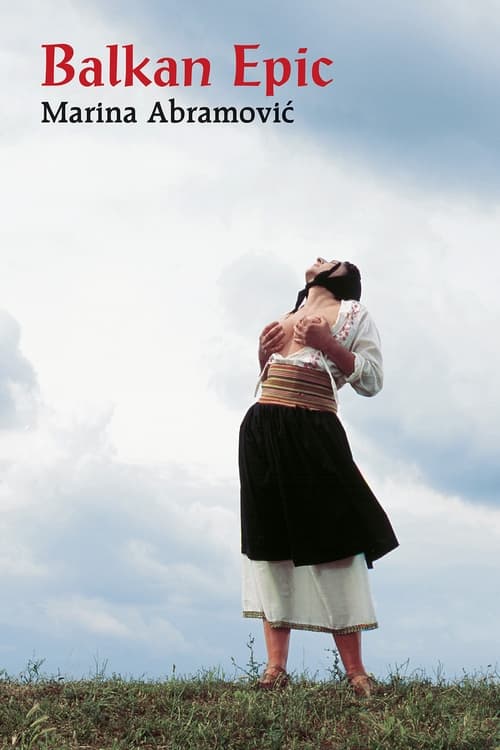
Balkan Erotic Epic - Single Channel Version
2005
No user ratings available yet
Representation score: 6.6 out of 10

Representation Score
Fair
1979
Director
Júlio Bressane
Runtime
39 minutes
Average Rating
No ratings yetNew Showbiz Analysis
Júlio Bressane’s *Cinema Inocente* is a formalist exercise in subversion rather than a character-driven narrative. By using an essay-film format to deconstruct the editing of erotic movies, the work challenges the systemic ways desire and gender are mediated by institutional cinematic processes. The film’s strength lies in its cultural positioning and its ability to critique mainstream media structures. It moves away from traditional storytelling to focus on the use of images, offering a radical departure from standard narrative hierarchies. However, the film lacks explicit representation of diverse identities. Because it prioritizes structural deconstruction over character development, it misses opportunities for clear, identity-based storytelling, leaving its specific approach to race and disability undefined.
Category Breakdown
The film explores themes of desire and the gaze through its focus on erotic cinema. It disrupts the assumption that everyone is straight or cisgender by presenting fragmented views of bodies.
The film challenges traditional hierarchies by breaking down the male gaze through the editing process. It presents femininity as a constructed, editable concept rather than a passive display.
Set within the Brazilian Cinema Marginal movement, the film operates outside Anglo-Saxon norms. However, the specific racial makeup of the subjects remains unverified.
The essayistic approach emphasizes secularism by questioning moral frameworks imposed on human intimacy. It critiques mainstream, capitalistic media consumption.
There is no evidence regarding the inclusion or portrayal of characters with disabilities.
Present on Screen
Limited or Absent
Official Synopsis
An essay film on the editing of erotic movies.
2005

2019
2000

2017
2021

2012
2017
1999
No reviews yet. Be the first to share your thoughts on this movie!
Use the rating form above to leave a star rating and optional review.