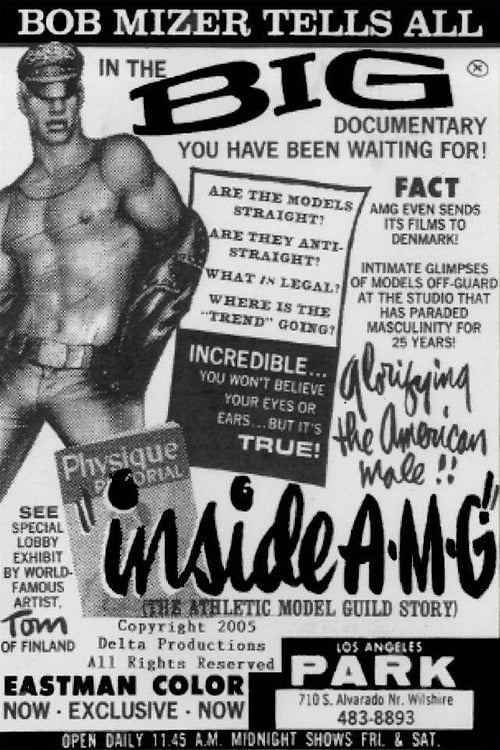
Inside A.M.G.
1970
No user ratings available yet
Representation score: 4.8 out of 10
Representation Score
Fair
1998
Director
Thom Fitzgerald
Runtime
91 minutes
Average Rating
No ratings yetNew Showbiz Analysis
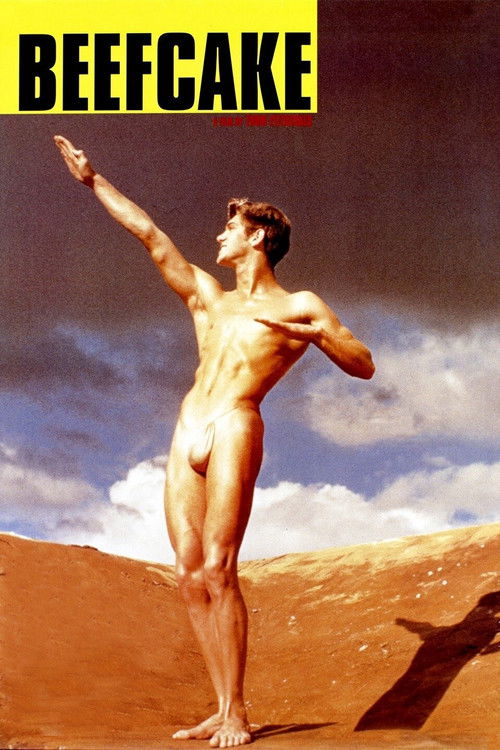
Beefcake is a specialized documentary that excels in reclaiming underrepresented histories. Using the niche world of Bob Mizer’s muscle magazines, it provides a sophisticated look at queer existence and the subversion of the male gaze during a restrictive era. The film's strength lies in its intentionality, particularly in how it deconstructs hyper-masculinity and challenges the moral hegemony of traditional Western institutions. It successfully turns a study of physique into a study of identity and repressed desire. However, the work is limited by its narrow historical focus. The lack of racial and ethnic diversity restricts its scope, making it a highly specific cultural study rather than a broad representation of the human experience.
Category Breakdown
The film centers on the underground world of 1950s muscle magazines, highlighting how underrepresented communities used fitness literature to create spaces for identity and connection.
By focusing on the muscle man archetype, the film deconstructs hyper-masculinity, revealing the nuanced emotional lives and social pressures behind the aesthetic. This challenges traditional masculine hierarchies.
The narrative focuses on a specific historical milieu that is predominantly white, lacking significant racial or ethnic breadth. It functions as a specialized study of a specific cultural subset.
The film critiques the moral authority of the Catholic Church and restrictive social norms, framing the friction between individuals and religious authority as a struggle for self-actualization.
There is no explicit evidence of characters with visible or invisible disabilities being utilized as central plot devices or subjects of mockery.
Present on Screen
Limited or Absent
Official Synopsis
A look at the 1950s muscle men's magazines and the representative industry which were popular supposedly as health and fitness magazines, but were in reality primarily being purchased by the still-underground homosexual community. Chief among the purveyors of this literature was Bob Mizer, who maintained a magazine and developed sexually inexplicit men's films for over 40 years. Aided by his mother, the two maintained a stable of not so innocent studs.
1970
2019
2008

1996
2014
2017

2013

2010
No reviews yet. Be the first to share your thoughts on this movie!
Use the rating form above to leave a star rating and optional review.