
Eichmanns Ende
2010
No user ratings available yet
Representation score: 1.1 out of 10
Representation Score
Limited
1999
Not RatedDirector
Roland Suso Richter
Runtime
128 minutes
Average Rating
No ratings yetNew Showbiz Analysis
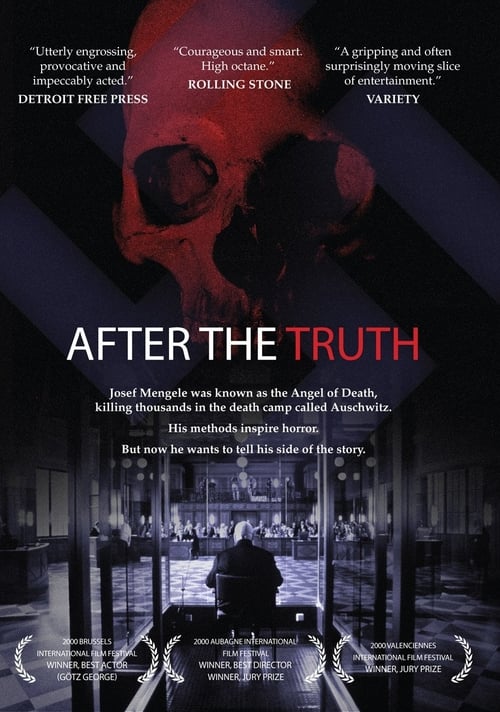
After the Truth is a historical legal thriller that centers on the moral and ethical implications of prosecuting a notorious Nazi war criminal. The narrative structure revolves around the intense moral conflict of addressing past atrocities, which inherently limits the scope of diverse representation. While the film addresses profound ethical questions, its focus remains narrow. The character dynamics and settings are deeply rooted in specific 20th-century European and South American historical contexts, limiting broader demographic diversity. Ultimately, the film serves as a character study of professional duty and personal conscience rather than a diverse ensemble piece.
Category Breakdown
The film does not include any LGBTQ+ characters or themes related to sexuality or gender identity. The story focuses solely on the legal and ethical implications of addressing Nazi war crimes.
The story centers on a male protagonist facing a moral crisis in his professional life. Women appear mainly as domestic figures whose safety is threatened by the main character's decisions.
The narrative is set in specific European and South American locations and focuses on the historical trauma of the Holocaust and the legal systems of the involved countries.
The film explores the tension between legal justice and moral truth. It delves into complex themes of historical accountability and the deconstruction of subjective morality.
There are no characters with physical, sensory, or neurodivergent disabilities mentioned in the film. Such identities do not play a central role in the plot.
Present on Screen
Limited or Absent
Official Synopsis
Famous Nazi doctor Josef Mengele — the 'Death Angel of Auschwitz', who killed more than 300.000 people — emerges from his hideout in Argentina to Germany as a 87-year-old man, and must stand for his crimes in court. The young solicitor Peter Rohm is assigned to defend him, but Rohm himself — an expert on Mengele and his crimes — feels unable to do so. When he decides to take on the case, he endangers not only his marriage but also his and his wife's lives.
2010
1974
2025
2015

2007
2015
2016

2012
No reviews yet. Be the first to share your thoughts on this movie!
Use the rating form above to leave a star rating and optional review.