
Dial 999
1955
No user ratings available yet
Representation score: 1.3 out of 10
Representation Score
Limited
1933
NRDirector
Phil Rosen
Runtime
64 minutes
Average Rating
No ratings yetNew Showbiz Analysis
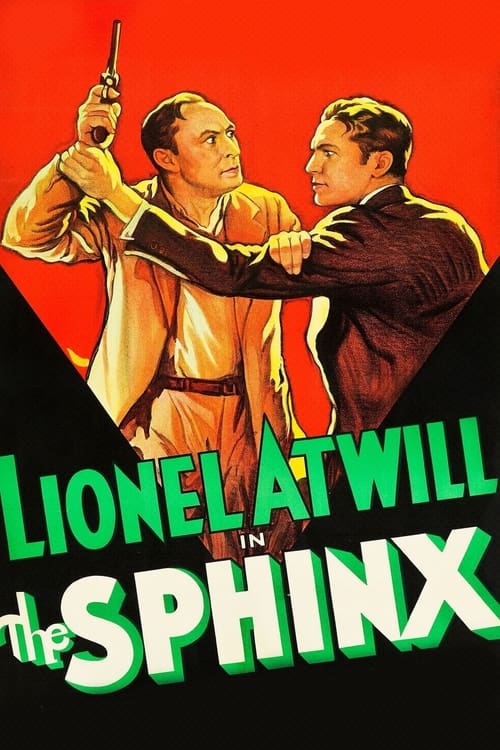
The Sphinx is a conventional early sound-era thriller that relies on established genre clichés rather than social subversion. The film functions as a standard mystery, centering on a male protagonist and adhering to the period's status quo. Representation is minimal across most categories. The film lacks queer identities and diverse racial casting, reflecting the homogeneous production standards of 1933 Hollywood. It operates within a traditional framework of law enforcement and justice. The most notable element is the use of a speech disability, which drives the mystery but may serve more as a functional plot device than a nuanced character study.
Category Breakdown
The film does not include any LGBTQ+ characters or stories that challenge the assumption that everyone is straight or cisgender. It follows the traditional dramatic structures of the 1930s, which typically did not feature queer identities.
The story revolves around a male protagonist, emphasizing traditional gender roles. There is no evidence of women taking a leading role or challenging male dominance.
The film reflects the predominantly white casting norms of early Hollywood. It centers on Western, white protagonists without significant diversity in casting.
The story operates within the standard moral and social frameworks of the early 1930s. It emphasizes traditional notions of justice and order through a standard mystery lens.
A central character is defined by a speech disability. While this drives the mystery, the disability appears to function primarily as a plot device for the whodunit mechanic.
Present on Screen
Limited or Absent
Official Synopsis
A man known to be a mute is suspected of committing a murder, as he was noticed at the scene. However, witnesses saw and heard him talking as he was leaving the scene of the crime. The police must determine if he is the actual killer or if he is being framed.
1955
1940
1944
1944
1929

1930
1942

1946
No reviews yet. Be the first to share your thoughts on this movie!
Use the rating form above to leave a star rating and optional review.