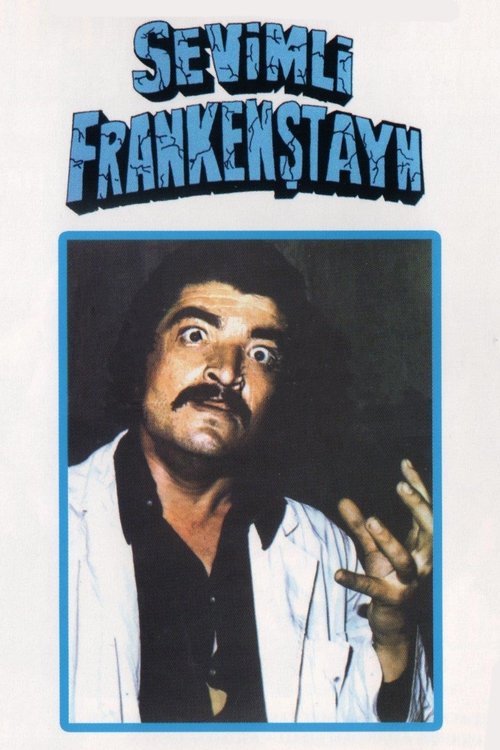
My Friend Frankenstein
1975
No user ratings available yet
Representation score: 5.6 out of 10
Representation Score
Limited
1984
NRDirector
Myron J. Gold
Runtime
100 minutes
Average Rating
No ratings yetNew Showbiz Analysis
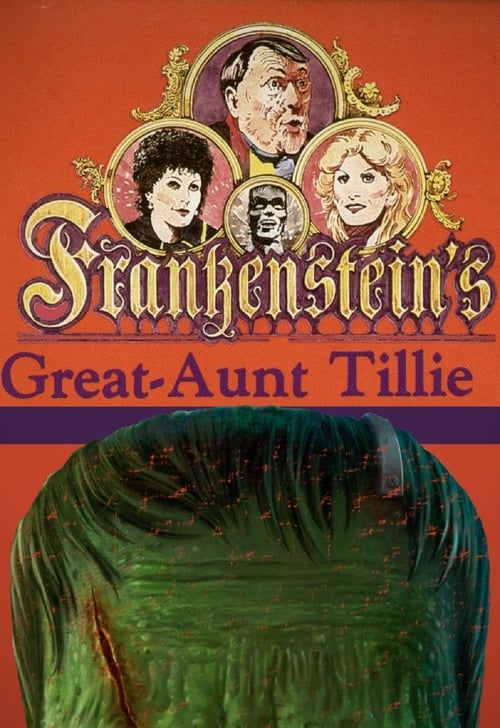
Frankenstein's Great Aunt Tillie follows a conventional genre structure typical of 1980s horror-comedy. The film adheres to established clichés of lineage and legacy rather than narrative complexity. The story does not aim to challenge traditional social hierarchies. Instead, it operates within a Eurocentric, Gothic framework that upholds Western concepts of inheritance and family wealth. Ultimately, the film offers a standard mid-80s approach to the genre, lacking in social subversion or diverse representation.
Category Breakdown
The story revolves around a traditional family inheritance quest. There is no indication of non-straight or non-cisgender identities or same-sex relationships.
The film centers on descendants seeking a family fortune. It relies on traditional gender roles common in the horror-comedy genre of the time.
The setting suggests a Eurocentric, Gothic atmosphere. There is no evidence of high-profile characters of color or significant racial diversity in the story.
The film uses the Gothic horror tradition, focusing on established family lineages and wealth. The plot seems driven by the pursuit of capital and Western ideas of legacy.
The Frankenstein motif includes themes of bodily alteration. However, there is not enough information to determine how physical differences are addressed.
Present on Screen
Limited or Absent
Official Synopsis
The descendants of Baron Frankenstein return to the family castle to search for the family fortune that is supposed to be hidden there.
1975
1972
2002
1948
1988
1967
1954
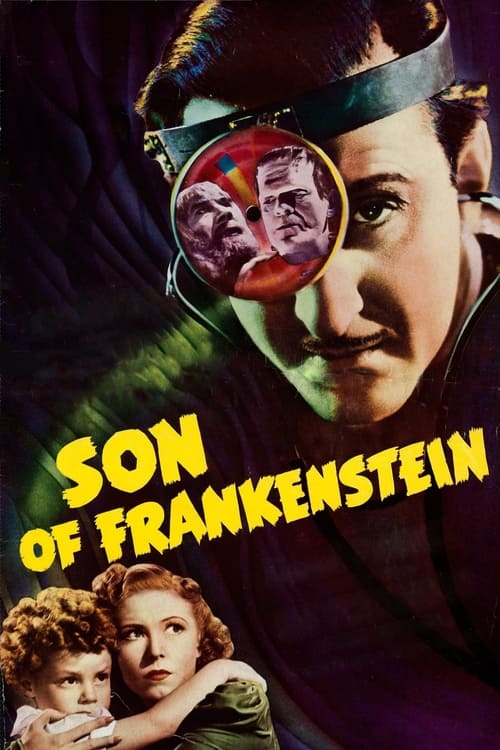
1939
No reviews yet. Be the first to share your thoughts on this movie!
Use the rating form above to leave a star rating and optional review.