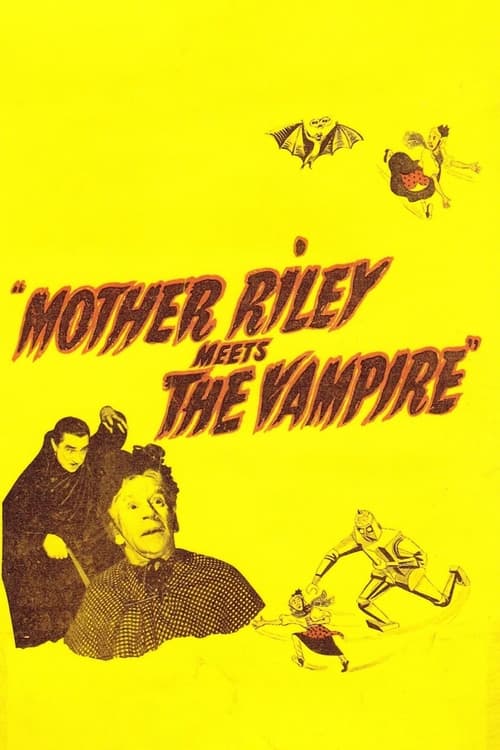
Mother Riley Meets the Vampire
1952
No user ratings available yet
Representation score: 5.1 out of 10
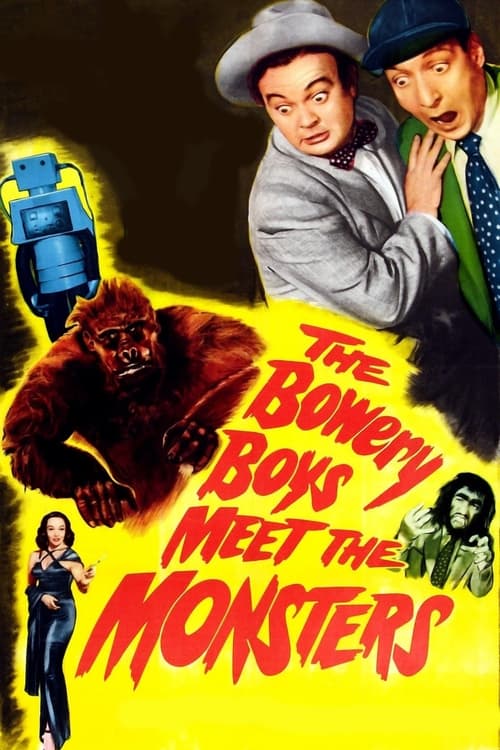
Representation Score
Minimal
1954
NRDirector
Edward Bernds
Runtime
65 minutes
Average Rating
No ratings yetNew Showbiz Analysis
The film is a product of its 1954 setting, adhering closely to the conventions of mid-century Hollywood. It relies on a homogeneous cast and traditional social structures to create its comedic effect. Narrative control is primarily centered on male characters, leaving female characters in supporting roles. The absence of racial or LGBTQ+ representation mirrors the era’s typical casting practices for this franchise. Overall, the film functions as a traditional genre piece that maintains conventional expectations without introducing perspectives that reflect multiple aspects of identity.
Category Breakdown
The film focuses on male-oriented humor and does not include any non-binary gender identities or same-sex relationships.
The story revolves around male characters, while female characters play minor roles and do not significantly impact the main plot.
The cast is predominantly white and represents an urban working-class demographic. The film does not feature significant racial diversity or varied cultural backgrounds.
The story follows traditional mid-century social norms and relies on well-established genre clichés without challenging or deconstructing societal norms.
The film does not meaningfully represent neurodivergent or physically disabled individuals. Instead, fantastical monsters are used as plot devices without deeper character development.
Present on Screen
Limited or Absent
Official Synopsis
Slip, Sach and the rest of the Bowery Boys enter a haunted house, where they engage in slapstick with a gorilla, a robot and a vampire
1952
1948
1973
1972

1946
1984
1975
1953
No reviews yet. Be the first to share your thoughts on this movie!
Use the rating form above to leave a star rating and optional review.