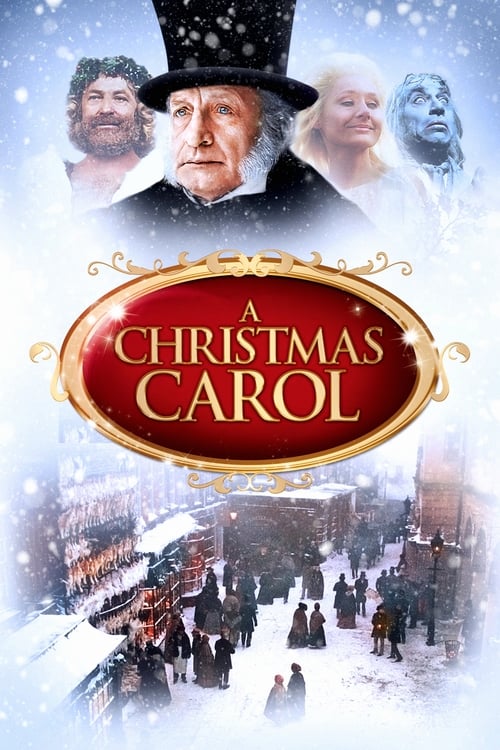
A Christmas Carol
1984
No user ratings available yet
Representation score: 2.6 out of 10
Representation Score
Limited
1979
Not RatedDirector
Eric Till
Runtime
98 minutes
Average Rating
No ratings yetNew Showbiz Analysis
This adaptation of the Dickens classic functions as a traditionalist period piece. It prioritizes preserving classical moral structures and historical homogeneity over social subversion. The film reinforces established social and cultural hierarchies. While it offers meaningful character development, it does so within a very conventional framework that lacks diverse representation. Ultimately, the production reflects the era of its making and the specific locale, focusing on a moral journey that upholds traditional Western values.
Category Breakdown
The film strictly follows the assumption that everyone is straight or cisgender. There is no representation of non-binary gender identities or same-sex relationships.
Female characters are shown through domestic duties and emotional support, serving as catalysts for the male protagonist's growth. Masculinity is portrayed through economic success and social responsibilities.
The cast is predominantly white, reflecting the Depression-era New England setting. The film maintains a depiction of the period that aligns with historical demographics.
The narrative promotes traditional Western values such as charity and the sanctity of the family unit. Spiritual elements emphasize redemption and restoring social order.
Tiny Tim serves as a vehicle for the protagonist's empathy. The portrayal risks using disability as a narrative tool to facilitate the main character's moral growth.
Present on Screen
Limited or Absent
Official Synopsis
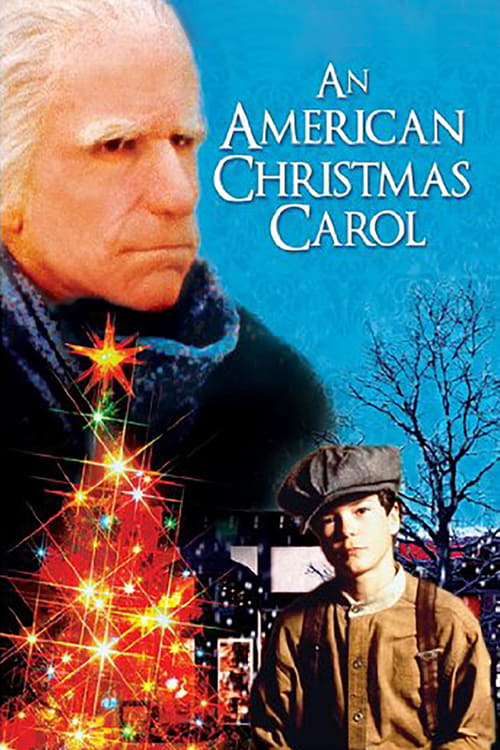
In Depression-era New England, a miserly businessman named Benedict Slade receives a long-overdue attitude adjustment one Christmas Eve when he is visited by three ghostly figures who resemble three of the people whose possessions Slade had seized to collect on unpaid loans. Assuming the roles of the Ghosts of Christmas Past, Present, and Future from Charles Dickens' classic story, the three apparitions force Slade to face the consequences of his skinflint ways, and he becomes a caring, generous, amiable man.
1984
1938

1999
1951
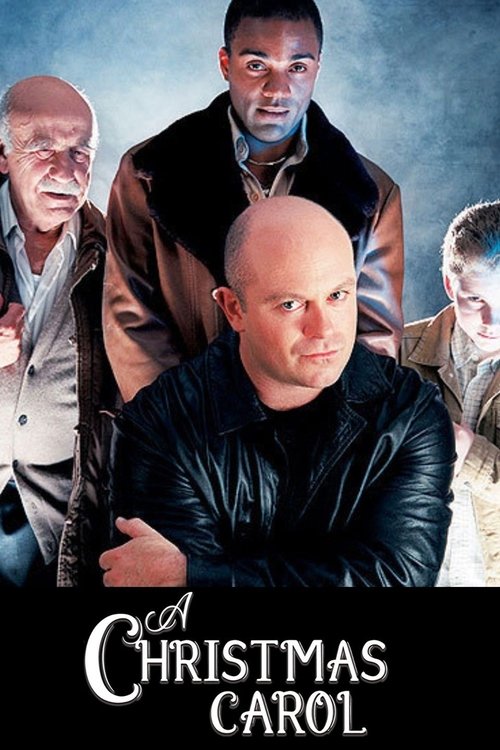
2000
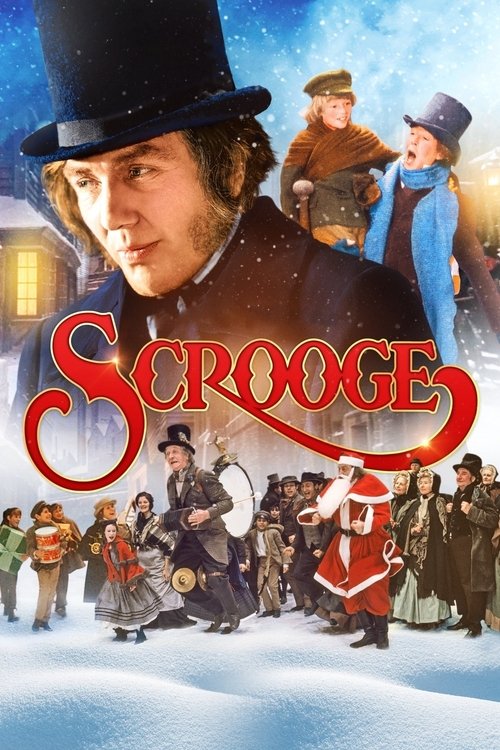
1970
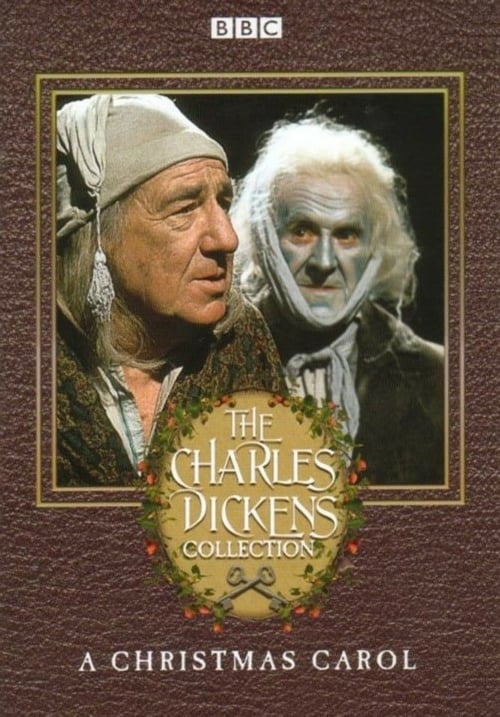
1977
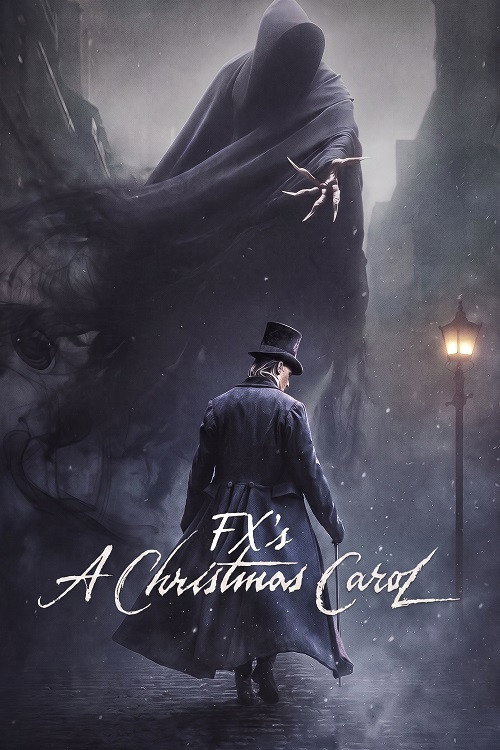
2019
No reviews yet. Be the first to share your thoughts on this movie!
Use the rating form above to leave a star rating and optional review.