The Izu Dancer
1974
No user ratings available yet
Representation score: 2.3 out of 10
Representation Score
Fair
1981
Director
Kazuki Ōmori
Runtime
98 minutes
Average Rating
No ratings yetNew Showbiz Analysis
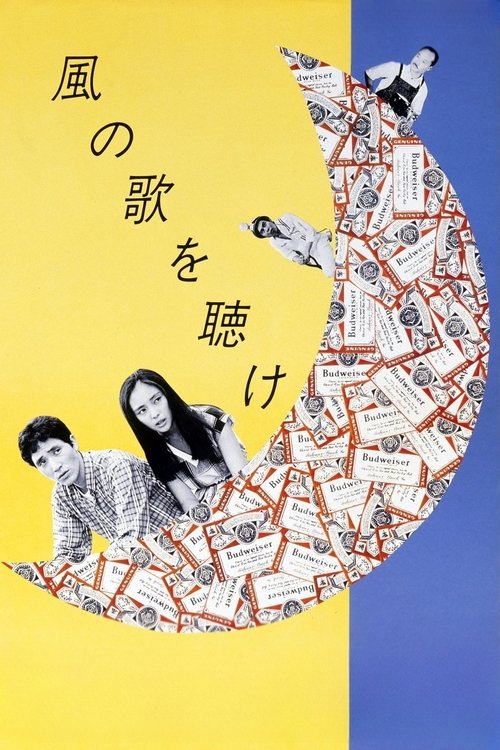
Hear the Wind Sing is a study in postmodern minimalism and existential drift, emphasizing the internal landscape of individuals over broad social advocacy or diverse representation. Its strength lies in its atmospheric exploration of alienation and its rejection of traditional, purposeful storytelling. However, the work lacks depth in representing various identities, such as LGBTQ+, diverse ethnicities, and characters with disabilities. It functions more as a niche character study than a socially inclusive piece.
Category Breakdown
The film centers on male friendships and interactions with women, focusing on straight relationships without showing any LGBTQ+ identities or non-binary gender expressions.
Male characters have primary roles in driving the story, while female characters mainly act as catalysts for the male protagonist's personal growth and reflection.
The film's setting and cast are predominantly Japanese, reflecting a culturally homogeneous environment without much diversity in ethnicity or race.
The film explores existential themes and urban alienation, critiquing rigid social structures by highlighting the value of subjective, individualistic experiences.
The characters experience a typical neurotypical and able-bodied existence, with no significant focus on disabilities, visible or invisible, within the narrative.
Present on Screen
Limited or Absent
Official Synopsis
A student travels back to Kobe for the summer. Once there, he meets his friend Rat, hangs on the usual place, listening to the Beach Boys and meets a mysterious twin girl.
1974

1998
1972
1961

2014
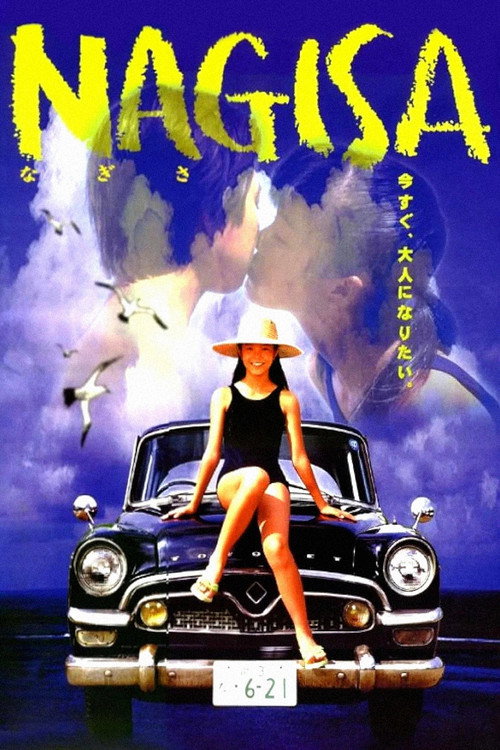
2000

1973

1981
No reviews yet. Be the first to share your thoughts on this movie!
Use the rating form above to leave a star rating and optional review.