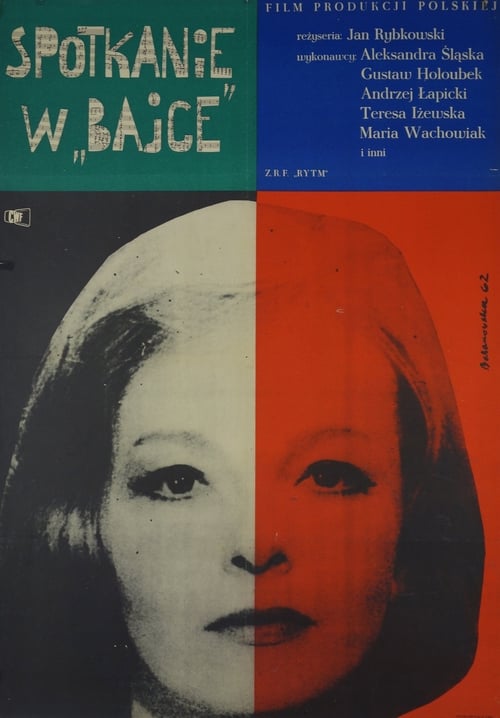
The Mistress
1962
No user ratings available yet
Representation score: 5.3 out of 10
Representation Score
Limited
1962
K-12Director
Jan Rybkowski
Runtime
72 minutes
Average Rating
No ratings yetNew Showbiz Analysis
Spotkanie w 'Bajce' functions as a psychological drama that deconstructs traditional social structures through the lens of infidelity. It finds its strength in challenging the stability of the nuclear family, offering a nuanced view of women's ability to drive the story and interpersonal conflict. However, the film remains limited by the demographic realities of its time and place. It lacks meaningful representation of racial diversity and provides no visible evidence of LGBTQ+ identities or disability representation. Ultimately, the film is a study of human desire that challenges moralistic archetypes, even if it does not meet modern standards of inclusion.
Category Breakdown
The film focuses on a heterosexual marriage involving a husband, wife, and a lover. There are no explicit representations of LGBTQ+ identities or non-straight relationships.
The story positions the wife as a central figure in a domestic conflict, giving her a significant role in driving the plot. It emphasizes psychological complexity rather than traditional female stereotypes.
The setting and era suggest a homogeneous cast reflecting 1962 Poland. There is no indication of racial diversity or the use of non-human metaphors for inclusion.
The story critiques the sanctity of the nuclear family by focusing on infidelity. It prioritizes individual psychological truths over rigid religious or patriotic moral codes.
The film provides no documented evidence regarding the portrayal of physical or neurodivergent disabilities.
Present on Screen
Limited or Absent
Official Synopsis
"A Meeting in Bajka" tells a seemingly banal story of a marital triangle which bristles with intrigues and psychological nuances as a man, his wife and her lover rendezvous at the Bajce cafe.
1962
1953

1963
1964
1972
1949

1998
1979
No reviews yet. Be the first to share your thoughts on this movie!
Use the rating form above to leave a star rating and optional review.